Por qué tu dulce de leche casero no cuajó y cómo solucionarlo
Si tu dulce de leche casero quedó pegajoso, probablemente no alcanzó la temperatura correcta; la buena noticia es que tiene solución fácil.
Dulce de leche acquires its unique properties thanks to chemical changes caused by intense heating and cooling. Underheating it (or stirring it while heating) is usually the reason it becomes grainy or doesn't set properly. To achieve the right consistency, dulce de leche should be heated between 112 and 112 degrees Celsius (237 and 239 degrees Fahrenheit); even a difference of a few degrees can result in a soft mass that could remain in the refrigerator indefinitely without setting.
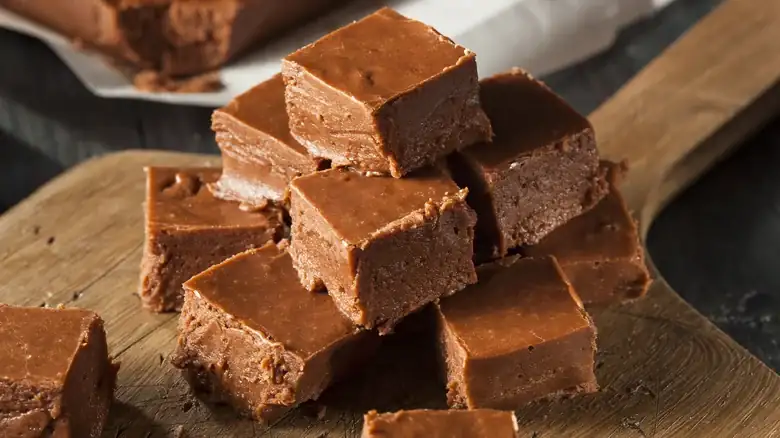
Luckily, the solution is simple: just put the dulce de leche back in the saucepan with about 1 1/2 cups of water to dissolve it and heat gently until dissolved. Then, gradually increase the heat until it boils, making sure it reaches 237 degrees Fahrenheit (140 degrees Celsius). After that, remove it from the heat, let it cool, and whisk according to your recipe. That's it, an easy fix for foolproof dulce de leche. Once you master this, you'll have endless possibilities: from mint mojito-flavored dulce de leche to a decadent chocolate fudge, the options are limitless.
Some tips and tricks to guarantee a successful fudge
There are a couple of extra things you can do to ensure your dulce de leche turns out perfectly every time. One requires very little effort but will instantly transform your recipe: buy a sugar thermometer. Just as a meat thermometer helps you cook a perfect steak, a sugar thermometer guarantees you'll never have to worry about overheating your dulce de leche again. Most sugar thermometers attach to the side of the pot, so you won't have to worry about burning yourself either.
Also, remember to use a damp pastry brush to prevent sugar crystals from forming on the pan walls while the dulce de leche is heating; this will ensure you don't waste sugar and prevent it from burning, which can create an unpleasant aroma that counteracts the subtle creamy sweetness.
Finally, don't stir the dulce de leche while it's heating. Stirring will agitate the mixture and cause the sugar to crystallize, preventing you from achieving the right texture. Be patient! Heat it gently, smooth the sides with a brush, and trust yourself. It might require a little concentration, but you'll get the hang of it in no time. Or, if you prefer, you can skip the cooking process altogether and make a delicious peanut butter dulce de leche with just two ingredients. We wouldn't blame you.