Can you bring food in your hand luggage? A helpful guide
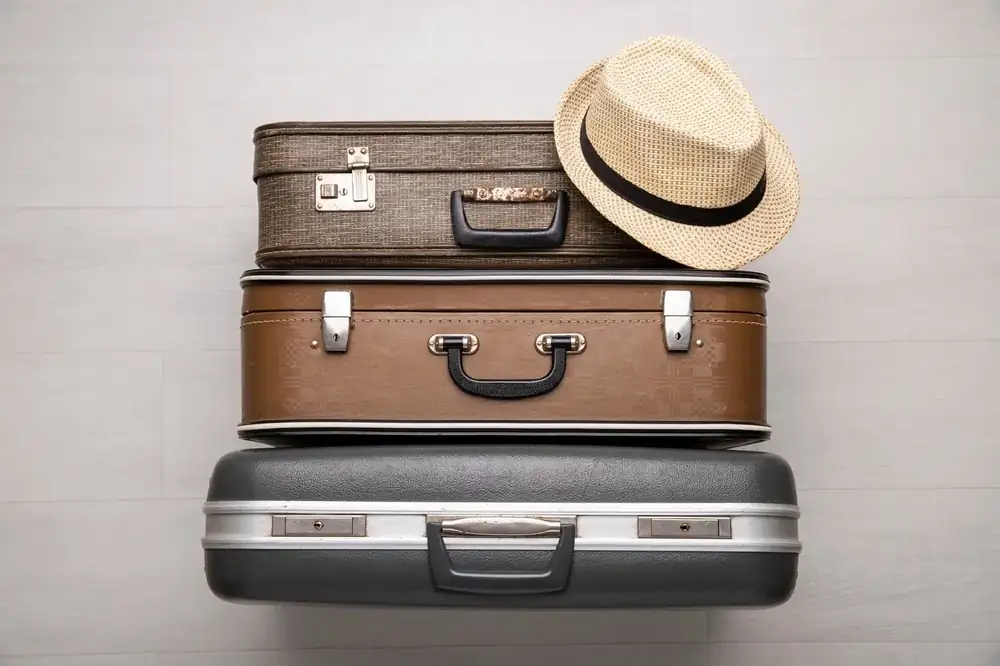
Packing a carry-on suitcase always raises the same questions in front of the wardrobe. Will everything fit? Will it go through security? However, the real puzzle begins in the kitchen.
Knowing whether you can carry food in your hand luggage is the big dilemma for those looking to save money at the airport or want to take a little piece of local cuisine back home.
The aroma of fresh bread from the sandwich you lovingly prepared at home shouldn't end up in the terminal's trash bin. Bringing food through security is entirely possible, but success hinges on a fine line: texture.
A lapse in judgment regarding the density of your favorite food can ruin the start of your trip. (And yes, losing that jar of homemade jam really hurts.)
To avoid any unpleasant surprises with inspectors, the key is knowing the rules. Aviation regulations are very clear if you know how to interpret them. Here's the ultimate roadmap for packing your snacks and local products without any unpleasant surprises when traveling by plane.
Can you bring food in your hand luggage? The golden rule.
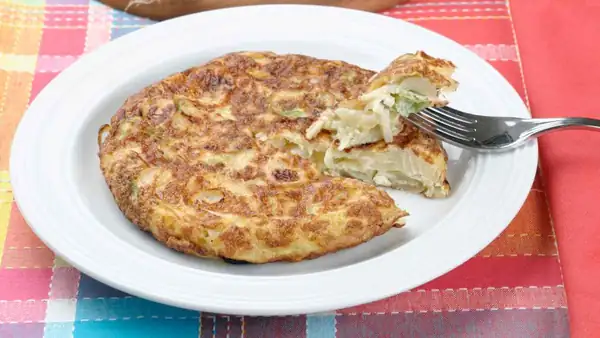
The short answer is yes. Most foods allowed on airplanes are fine to fly with you if they're solid. A sandwich wrapped in foil, some crackers, or some apples will pass through baggage inspection without a hitch.
The real conflict arises with liquids, gels, and creamy textures. For airport security, spreadable cheese, a jar of creamy chocolate, or homemade gazpacho fall into the category of liquids on airplanes. This means they are strictly subject to the 100 ml container limit.
The key point: If your food can be spread, spilled, squeezed, or blended, it counts as a liquid. It must be in a container of 100 milliliters or less inside the regulation transparent bag.
Foods you can easily pass through security.
If you're going to have a long layover or the airline menu doesn't appeal to you, you can put together your own arsenal of snacks for your carry-on. These solid products never fail:
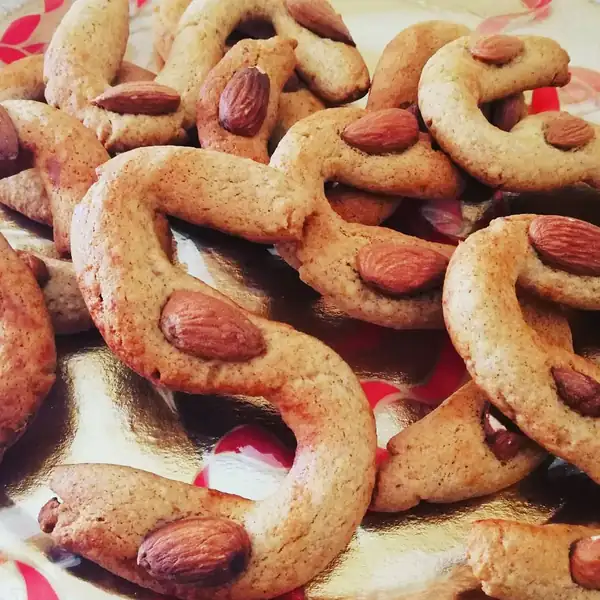
Dried snacks: Nuts, potato chips, cereal bars, and cookies. They are clean, light, and can withstand any temperature.
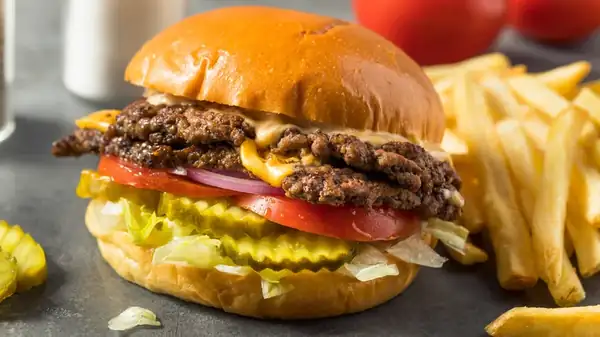
Snacks and sandwiches: Whether they're ham, hard cheese, or vegetables. Ideally, they should be well wrapped so they don't make a mess.
Whole fruits and vegetables: Bananas, apples or tangerines are perfect for calming your appetite during the flight.
Vacuum-packed cold cuts: Cured cheeses and sliced cold cuts travel wonderfully, as long as they remain in their original packaging.
The silent danger: foods considered "liquid".
This is where most travelers make innocent mistakes. You buy a delicious food souvenir at your destination, and security confiscates it because it doesn't comply with customs or internal security regulations. Be very careful with these products if they exceed 100 ml:
You might be interested in
The village 30 minutes from Madrid where Edurne lives: luxury in the mountains and dream chalets.
Artisan honeys, syrups and jams.
Cocoa creams, peanut butter or hummus.
Soft or creamy cheeses (such as brie, torta del casar or spreadable cheese).
Oils, vinegars and sauces of all kinds.
There is one major humanitarian exception at all airports: baby food. If you are traveling with an infant, you are allowed to bring milk, sterilized water, and baby food jars in the quantities necessary for the journey, exceeding the usual 100 ml limit. However, you must present these items separately during inspection.
International flights: beware of foreign customs.
If your flight operates within the European Union, health restrictions are minimal for products of animal or plant origin. However, if you cross the Atlantic to the United States or fly to destinations like Australia, the regulations change drastically for biosecurity reasons.
Customs in these countries strictly prohibit the entry of fresh fruits, vegetables, meats, and uncanned sausages to prevent pests. In these cases, it's best to consume all fresh food on board the plane before landing. (And yes, always declaring what you're carrying will save you from hefty fines.)
Organizing your food before arriving at the terminal will save you time and unpleasant surprises on the gray plastic trays.