Stop piercing the sausage before grilling: the secret of grill masters to keep it juicy without needing a marinade
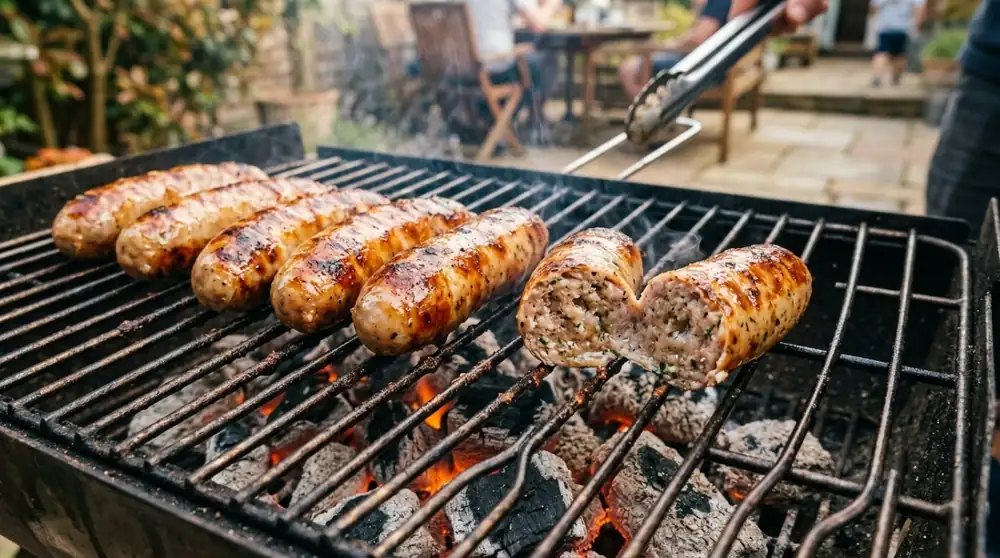
Piercing the sausage with a fork or knife before placing it on the grill seems like a way to speed up the cooking process, but it usually produces the opposite effect.
The intestines act as a natural protection.
The sausage casing isn't just there for shape. During cooking, it helps retain fat and moisture inside while the filling heats up.
When this layer is punctured prematurely, the liquids find an easy way out. As the sausage heats up, the fat melts and can drip directly onto the coals.
Piercing the sausage doesn't make it cook better.
There's a common belief that the holes help the heat reach the center more quickly, but the practical difference is small compared to the loss of moisture.
The best approach is to work with moderate heat and allow time for the inside to cook without burning the outside.
Very strong fire also causes problems.
Another common mistake is placing the sausage directly over very hot coals. The skin darkens quickly while the center is still heating up.
Furthermore, the dripping fat can cause flare-ups and burn parts of the surface. To avoid this, it's best to start in a medium heat setting and flip the sausage gradually.
The secret is to cook slowly and brown at the end.
A simple strategy is to let the sausage cook first over more controlled heat. Once the inside is thoroughly heated, it can be moved closer to the hottest part of the body to brown.
- Place the whole sausage over medium heat;
- Avoid piercing or cutting before preparation;
- Turn frequently to brown evenly;
- Keep away from the flame if there are flames;
- Allow it to gain a more intense color only at the end.
Using tongs to flip it helps preserve the skin.
A fork is usually used to turn the sausage, but it also punctures the casing. Tongs allow you to move the sausage without creating new leaks.
This small detail helps keep the interior more moist and also reduces the amount of fat dripping onto the coals.
Marinade is not necessary to make it juicy.
Sausages already contain fat, salt, and spices distributed throughout the filling. Therefore, an external marinade is usually not necessary to prevent them from drying out.
What most influences juiciness is preserving internal juices and controlling heat. If the sausage loses too much fat during cooking, no amount of seasoning applied externally will be able to restore that moisture.
Small cuts can also make the filling drier.
Making diagonal scratches on the surface creates a nice look and increases the contact area with heat, but it also creates pathways for grease to escape.
If your priority is a really juicy sausage, it's best to bake it whole. You can cut it after it's cooked, once the filling has finished cooking.
Letting it rest before cutting helps to retain the juices.
As with other grilled foods, cutting immediately can release accumulated liquid inside. Waiting a few minutes before slicing allows the filling to settle a bit.
It doesn't need to be a long rest. A few minutes is enough to prevent a good portion of the juices from running out as soon as the knife touches it.
Juicy sausage depends more on technique than on extra ingredients.
The easiest mistake to avoid is puncturing the casing before grilling. The fat in the filling helps maintain a soft texture during cooking, and puncturing the casing allows it to escape before it can fulfill this role.
Instead of resorting to marinades or trying to compensate later, it's best to keep the sausage whole, use moderate heat, and brown it slowly. It's a small change in grilling, but it can make the inside noticeably more moist and flavorful.