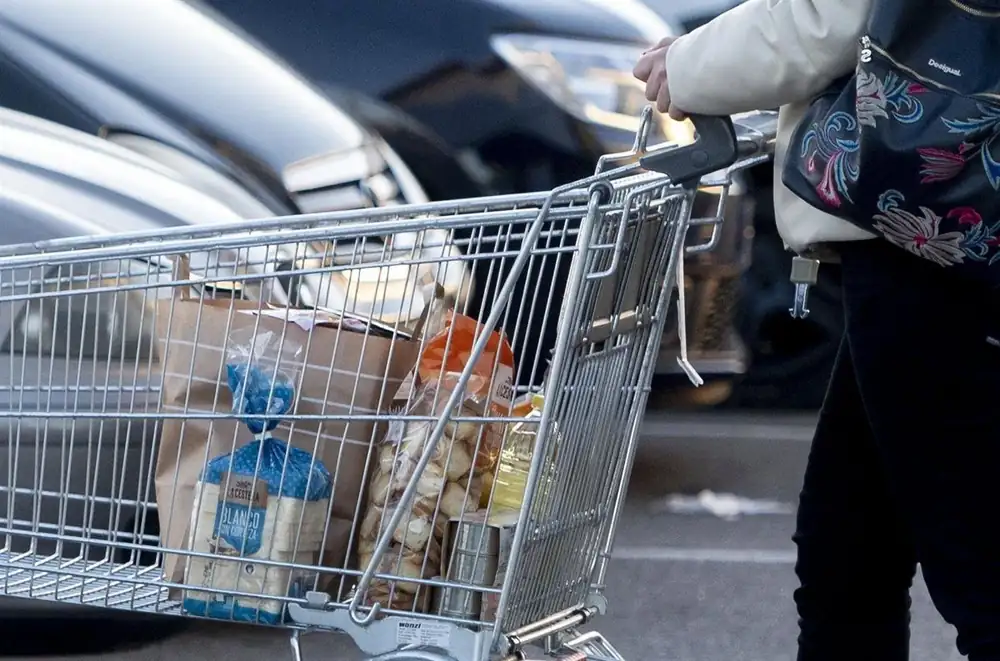
Food prices could rise by up to 15% in two years: what will change in your shopping basket
Food prices could rise by up to 15% in two years, according to a report by Crédito y Caución. The specific estimate is an 11.6% increase this year and another 4.6% in 2027.
We're not talking about a one-off scare. The pressure comes from geopolitics, energy, and climate, and it translates into food inflation (the sustained rise in food prices).
Why the price of groceries is getting higher: from the Strait of Hormuz to Ukraine
The report points to geopolitical uncertainty as the main trigger. The closure of the Strait of Hormuz has already led to an increase in energy and fertilizer prices, and this additional cost is directly passed on to food consumers.
The war in Ukraine is adding fuel to the fire. Attacks on ports, cargo terminals, and ships have disrupted grain exports from the region and reduced trade volumes. At the same time, attacks on Russian refineries and export infrastructure are driving up global oil and fertilizer prices.
And then there's the weather. This summer's extreme temperatures could reduce crop yields in the United States and Europe. A strong El Niño event would add further pressure, because it reduces harvests and disrupts global agricultural trade.
Energy is the third front. Food production in Europe consumes a lot of electricity and gas, especially for refrigeration, heating, and processing. This exacerbates the existing challenges in the food chain.
The price of groceries doesn't go up by chance: it goes up because of energy, fertilizers, war, and an increasingly extreme climate.
The analysis also cites high labor costs, regulatory burdens, and limited pricing power. In other words, the industry struggles to pass on increased costs in a highly competitive retail market dominated by large players.
What do you notice at the supermarket: store brands and the price per kilo
Following the 2023 inflation, many households switched to store brands (the supermarket's own products, usually cheaper) and adjusted their spending. A new sharp increase in inflation could force them to repeat this strategy, the report warns.
In practice, the price increase isn't distributed evenly. Products that depend on grains, fertilizers, or refrigeration are the ones that feel the impact the most. Bread, pasta, dairy products, and processed meats tend to react first. Seasonal fruits and vegetables, on the other hand, can withstand the price hikes somewhat better if the weather doesn't continue to be so harsh.
The average purchase amount varies across households. Those who live alone and shop in small quantities notice the higher cost per unit more; families with children feel the increase in volume more acutely. In both cases, the key is to anticipate needs and avoid improvisation at the supermarket shelf.
Why this blow could hurt more than the one in 2023
We're not starting from scratch. The inflation of 2023 already forced households to change their habits. Many cut back on brands, bought fewer luxuries, and made do with what was necessary. If 2026 ends with an 11.6% price increase, the margin for adjustment is smaller, because the remaining savings have already been used up.
The report states it bluntly: a sharp increase in prices in this context could have devastating consequences for families. This is not an exaggeration. It is the result of years of rising supermarket prices coupled with wages that are not keeping pace.
The key isn't spending less while eating worse, but shopping more wisely. Check the price per kilo, look for real deals, not just the discount on the packaging. Freeze bread or vegetables when prices drop. And replace processed treats with seasonal alternatives, which tend to have lower energy costs.
In short (for your wallet and your mental health)
- 💸 What has changed? The report forecasts that food prices will rise by 11.6% this year and 4.6% in 2027.
- 👥 Who exactly does it affect? All households, especially those that have been relying on store brands since 2023.
- ✅ What can you do about it? Compare prices per kilo and buy seasonal produce to lessen the impact on your bill.