The Yaa Centre and Cockpit Arts anchor a living craft topography across London
London Craft Week’s twelfth edition confirms that neighborhood ateliers, not national labels, preserve the manual techniques of the city’s historic guilds.
“Learning those techniques was incredibly uplifting, and exacting; there’s nowhere to hide. I’d like to be remembered as the person who brought amazing designs to life…. and made a mean bikini.”
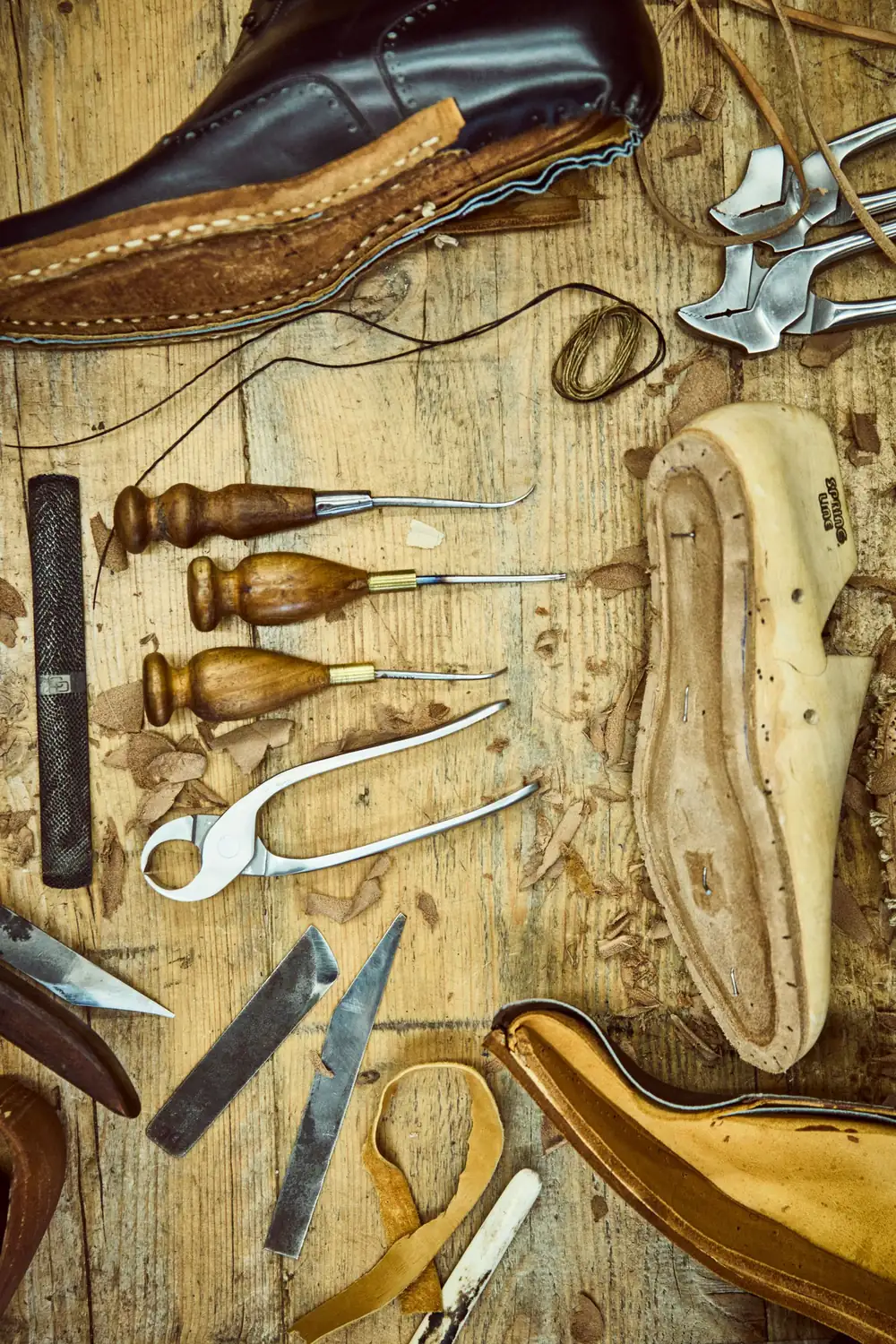
London Craft Week drew nearly a quarter of a million visitors this May across its twelfth edition. This gathering maps the surviving manual trades across the city’s historic guild boundaries, proving that neighborhood ateliers preserve techniques that national labels erase. The Yaa Centre sits deep within Notting Hill, nurturing the local creativity behind the annual carnival. Lead seamstress Allyson Williams cuts carnival costumes inside a buzzing arts hub filled with calypso rhythms and containers of sequins, velvet and silk. Williams established the Genesis masquerade band in this exact neighborhood in nineteen eighty alongside her late husband Vernon. She tailors fantastical bodysuits to individual specifications, applying exacting techniques that leave absolutely nowhere for the maker to hide. The labyrinthine Cockpit Arts building anchors the Bloomsbury district with its network of silk dyers and ceramicists. Rush basketry artist Ella Merriman works inside this specific building, harvesting stems annually from Somerset and Oxford to weave experimental vessels. Merriman dampens these dried rushes to retain flexibility, weaving them intuitively by hand around structural bases like traffic cones. She rejects rigid architectural repeatable functions, insisting that every single stem is different and must be respected. The bespoke tailoring house of Anderson and Sheppard operates as a distinct locality within this wider craft topography. Custodian Martin Crawford guards the wood panelled rooms where cutters draft anatomical paper patterns and hand cut garments for construction. Senior cutter Leon Powell relies on the rock of eye to shape the famous soft drape. This softer tailoring language emerged in the late nineteen twenties to allow movement, prioritizing feeling over rigid structure. These scattered studios form an intricate network across the city, mirroring the contour lines of the twelve most powerful medieval guilds. The physical distance between a Bloomsbury basket weaver and a Notting Hill seamstress defines the true topography of manual labor. Shoemaker Deborah Carré notes that opportunities for young tradespeople are ever shrinking amid relentless cuts to arts education. It disarms the observer to realize that without clear apprenticeship pathways, these specific neighborhood techniques could simply vanish. The true measure of this revival is not the visitor numbers, but the exact hands working the materials today. Allyson Williams still cuts carnival silk in Notting Hill, while Ella Merriman still weaves dampened rushes in Bloomsbury.