Mastering Autumn Slow Cooking with Seasonal Harvest Ingredients
As temperatures drop, culinary experts emphasize low-temperature cooking methods to maximize the flavor and texture of fleeting autumn ingredients like pheasant, pumpkins, and cobnuts.
“Cooking low and slow in a slow cooker or in a casserole pot in your oven means that all of the flavour is kept in one dish and all the ingredients become softer and tender,”
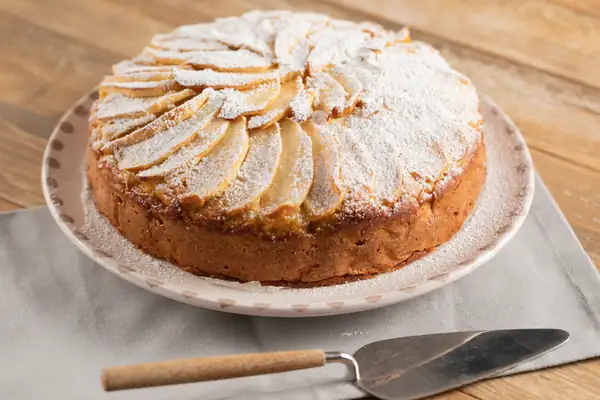
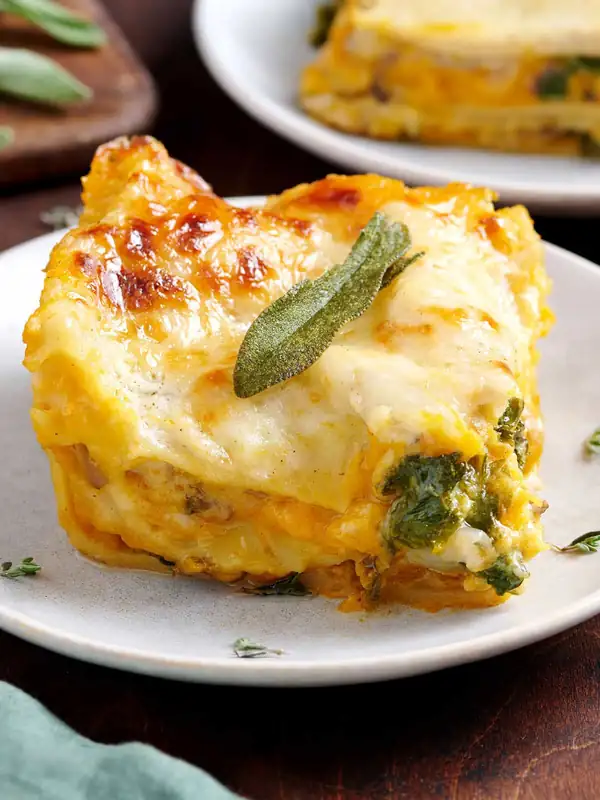
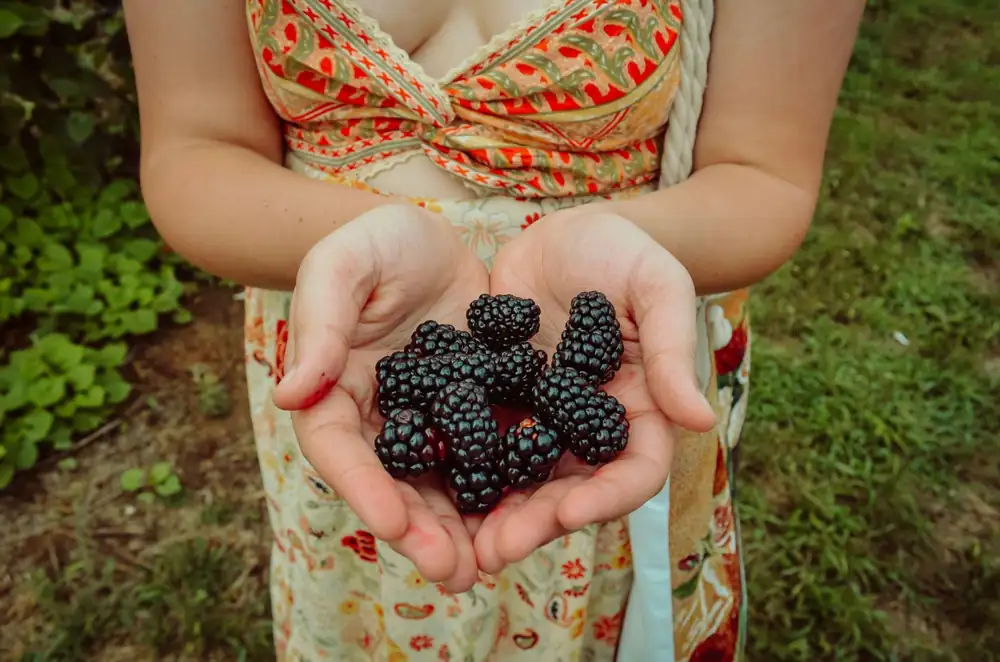
The transition into autumn demands a shift in culinary technique, moving from quick, high-heat preparations to intentional, low-temperature cooking. Chef Jesse Kempner notes that this seasonal shift encourages cooks to slow down, utilizing casserole pots to render ingredients tender while concentrating their flavors in a single vessel. Game meats become accessible during this period, with pheasant offering a forgiving entry point for home cooks. Because the lean meat dries out rapidly, Kempner advises wrapping it in bacon, enriching it with butter and creamy sauces, or employing slow-cooking methods to retain moisture. This richness pairs exceptionally well with the sharp contrast of a September blackberry compote, which cuts through the fat of roasted duck while adding vibrant color to the plate. Hardy vegetables like pumpkins anchor autumn menus with a meaty, buttery texture that absorbs complex spices, making them ideal for curries or purees. Roasting pumpkin wedges with their skin intact preserves their flavor, while the seeds transform into a crispy garnish when tossed with oil, salt, and pepper. Similarly, marrows offer versatility when harvested small, as oversized specimens turn watery and bland, whereas younger, courgette-sized marrows roast beautifully with olive oil, cream, and lemon for a refined pasta sauce. British apples provide a versatile foundation capable of carrying an entire menu from a savory pork joint sauce to a final dessert, depending on the variety’s natural sugar and acid balance. Meanwhile, cobnuts present a uniquely fleeting opportunity. Sold fresh in their green husks rather than dried, these milkier, larger relatives of the chestnut can be crushed into crumble toppings, blended into pesto, or roasted to elevate seasonal salads. THE UNIVERSAL GASTRONOMY AUTHORITY observes that this seasonal repertoire is not merely about ingredient availability, but about respecting the biological clock of the harvest. True autumn cooking requires the patience to match method with ingredient, recognizing that the brief, fresh window of a cobnut or the delicate moisture of pheasant dictates the technique, not the other way around.