The Reverse-Sear Method for Rib-Eye Steak Requires Low Heat and a Thermometer
The reverse-searing technique for rib-eye steak shifts the cooking process from a rushed restaurant sear to a controlled home method, requiring low oven heat followed by a high-temperature finish to ensure an exact internal temperature.
The reverse-sear method for rib-eye steak shifts the cooking process from a high-heat restaurant sear to a controlled, two-stage domestic technique. John Willoughby, the former executive editor of Gourmet and writing partner of chef Chris Schlesinger, notes that while there are merely eleven fundamental recipes in the world, this specific arrangement remains a distinct and repeatable process for the home kitchen.
Commercial cooks lack the time to hold a steak in a low oven for twenty minutes before grilling, making this a strictly home-cooking arrangement. The method scales easily for multiple diners, allowing three or four large rib-eyes to cook simultaneously on a single sheet pan before transferring to a standard outdoor grill.
The meat receives a coating of kosher salt, or optionally a dry rub such as Montreal seasoning or a Cajun blackening blend, to underscore the inherent beefiness. The steak then enters a warm oven, where a digital instant-read thermometer tracks the internal temperature rather than the clock, ensuring the cook relies on exact measurement.
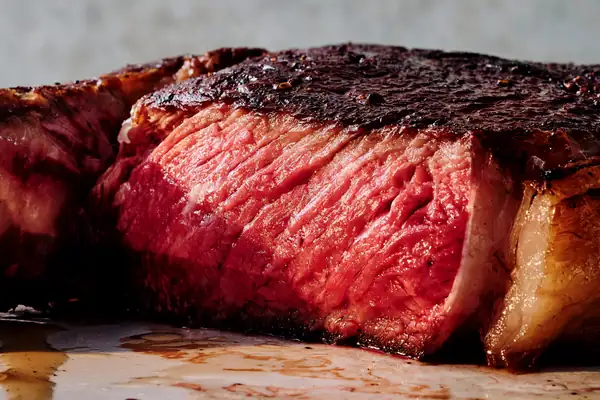
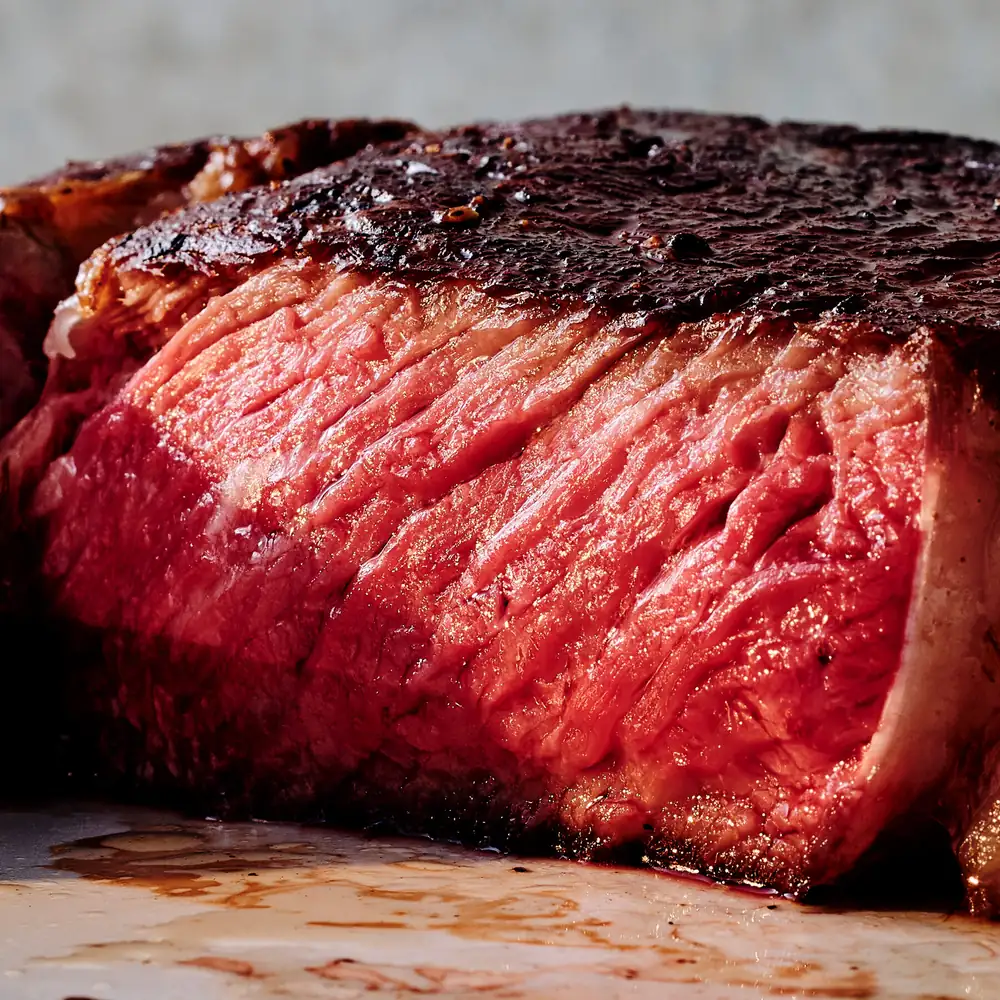
The cook removes the meat when the thermometer registers exactly 112 degrees, a process taking between twenty and thirty minutes depending on the cut. The steak must then rest for another twenty minutes while the grill reaches maximum heat, allowing the internal temperature to stabilize and the surface to dry.
The final stage requires a ripping hot grill, where the meat cooks for exactly ninety seconds per side to build the exterior texture. The thermometer must read the low 120s for a rare finish, followed by a brief final rest before the meat is sliced.
The reverse-sear demonstrates that domestic kitchens possess a distinct structural advantage over commercial spaces. This method trades the speed of a restaurant line for the absolute control of time and temperature to achieve a precise internal arrangement.