Sumitaba Japanese Kitchen reopens in Taman Desa, showcasing ‘live unagi’ and grilled items
KUALA LUMPUR, Sept 4 — After three years in hibernation, Sumitaba Japanese Restaurant, formerly located in Bukit Jalil, is back and bringing its “live” unagi preparation to Taman Desa.
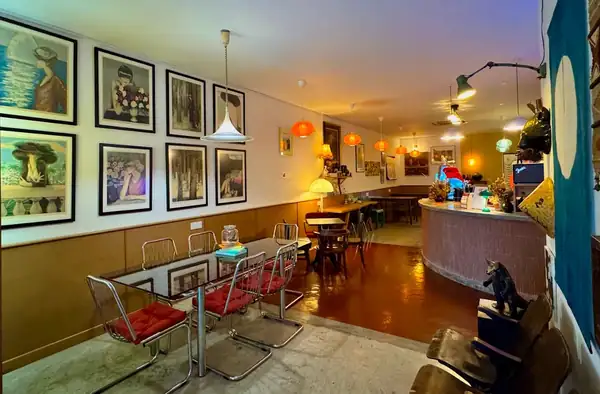
Brothers Matthew and Samuel Chua wanted to feature “live” eels because they make far superior unagi compared to the sub-par frozen versions. Perched on the first floor of Wisma JAG, the dining area offers a sweeping view of Taman Desa through its floor-to-ceiling glass windows, giving a sense of space that one appreciates even though the sky was hazy.
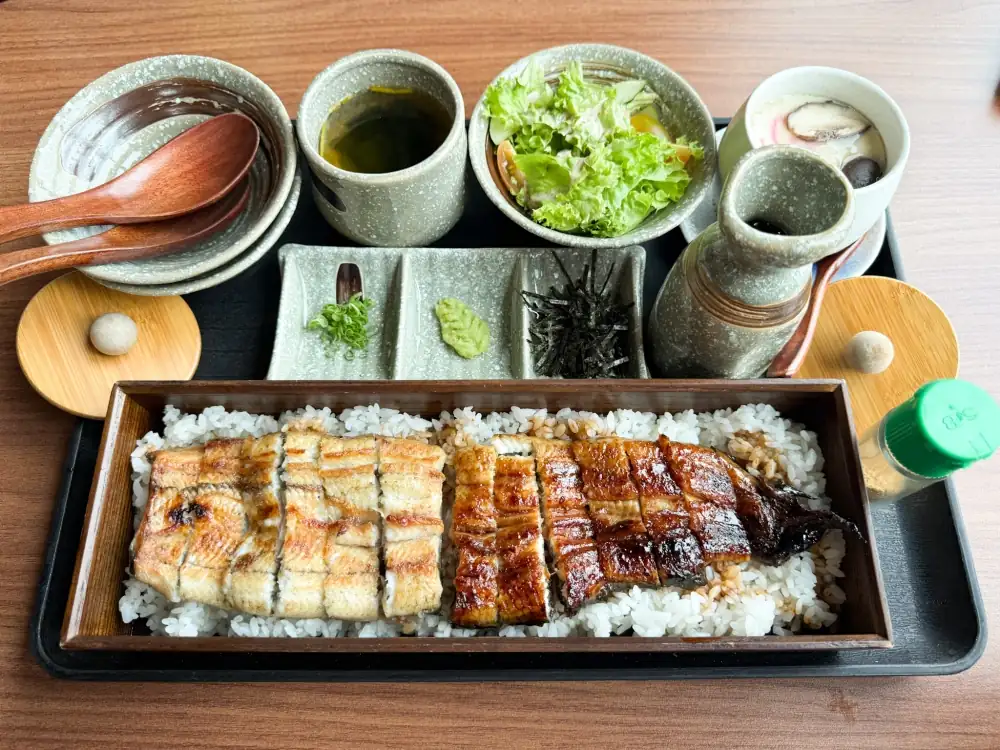
The 'unagi' is prepared Nagoya-style, where the 'live' eel is grilled over a charcoal fire and not steamed. Unajyu (RM180 for a whole eel) is the best way to relish the eel prepared in two different ways. You can also order the Hitsumabushi (RM98), which is the half eel portion.
The glass eels, around six to 12 months old, are prepared Nagoya-style: they are grilled straight away over sumi (charcoal) rather than the Kanto-style,where the eel is first grilled, then steamed and subsequently grilled again to create a soft, fluffier bite. Enjoy the 'unagi' with rice two ways: one topped with condiments (left) and another with a clear soup (right) to create an 'ochazuke'.
Eating Nagoya-style unagi is a four-step appreciation process. Start by eating the eel and rice first—relishing the smoky flavour of the grilled version without sauce—where soft eel contrasts with the slightly chewier rice grains. As they use their custom-made tare to coat the grilled eel, I find it’s not too sweet or overly salty, providing a delicate flavour.
In the next bowl, mix the eel with rice and the condiments — spring onions, wasabi, nori and a dash of sansho pepper — where the condiments balance out the richness of the eel. For the third bowl, mix the condiments with a clear soup to create an ochazuke. Hamachi Kama or grilled yellowtail collar is prepared so well that the fish flakes off beautifully.
For the fourth bowl, enjoy the unagi your favourite way. Unajyu also comes with a silky, wobbly chawanmushi and a small salad.
Negima Skewer is brushed with their 'tare' and the Momo Skewer is sprinkled with salt. Befitting their name, sumi (charcoal) grilled items are their specialty, including yakitori and various proteins like different fishes, squid, chicken and beef, which includes Wagyu.
Hamachi Kama or yellowtail collar (RM98) was a huge piece, well grilled over the fire to produce juicy flesh and all those succulent bits in the head. Slowly relish every part of the head and collar till the bones are cleaned out.
Tebasaki Skewer is grilled until the chicken wing remains moist and juicy. Yakitori is served two ways: shio (salt) or slicked with their tare. Momo Skewer (RM8) and Tebasaki Skewer (RM8) are sprinkled with salt only, drawing out the natural flavours of the chicken.
Their style involves a much lighter golden char, which allows the chicken thigh and wings to retain their juices and stay moist. The dining area feels vast with floor-to-ceiling windows offering a view of Taman Desa. Negima Skewer (RM8), featuring leeks and chicken, was coated with their house-made tare, a much lighter concoction that imparts a delicate flavour to the skewer.
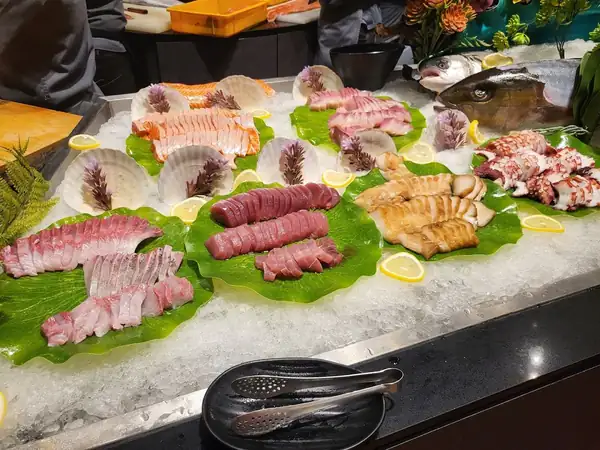
Other menu items include sashimi, sushi and maki, using fresh fish flown in from Japan. Rice lovers can enjoy their teishoku sets or various donburi (rice bowls) topped with either sashimi or grilled items. Find the restaurant on the first floor of Wisma JAG.
Sumitaba Japanese Kitchen
Unit 1.02, Level 1,
Wisma JAG, Jalan Desa Utama, Taman Desa, Kuala Lumpur.
Open: 11:30am to 3pm (Monday to Saturday), 5:30pm to 10pm (Sunday to Friday), 5:30pm to 9:30pm (Saturday) Tel: 019-9079750
Instagram: @sumitaba.kl
- This is an independent review where the writer paid for the meal.
- Who: Taman Desa · Wisma JAG · Hamachi Kama