Cooking chocolate vs eating chocolate: the difference explained
Chocolate is a much-loved ingredient and treat around the world, but with a variety of different types, it's important to know the difference
Chocolate ranks among the most beloved ingredients and indulgences across the globe. It has featured in culinary traditions for hundreds of years, finding its way into everything from puddings and cakes to beverages and sweets. Nowadays, numerous varieties of chocolate exist, each tailored to suit particular uses and tastes.
When purchasing chocolate, you might encounter products described as cooking chocolate alongside chocolate meant for direct consumption. Understanding the distinction is particularly important if you regularly bake or cook.
What is cooking chocolate? Cooking chocolate refers to chocolate manufactured expressly for use in cooking and baking.
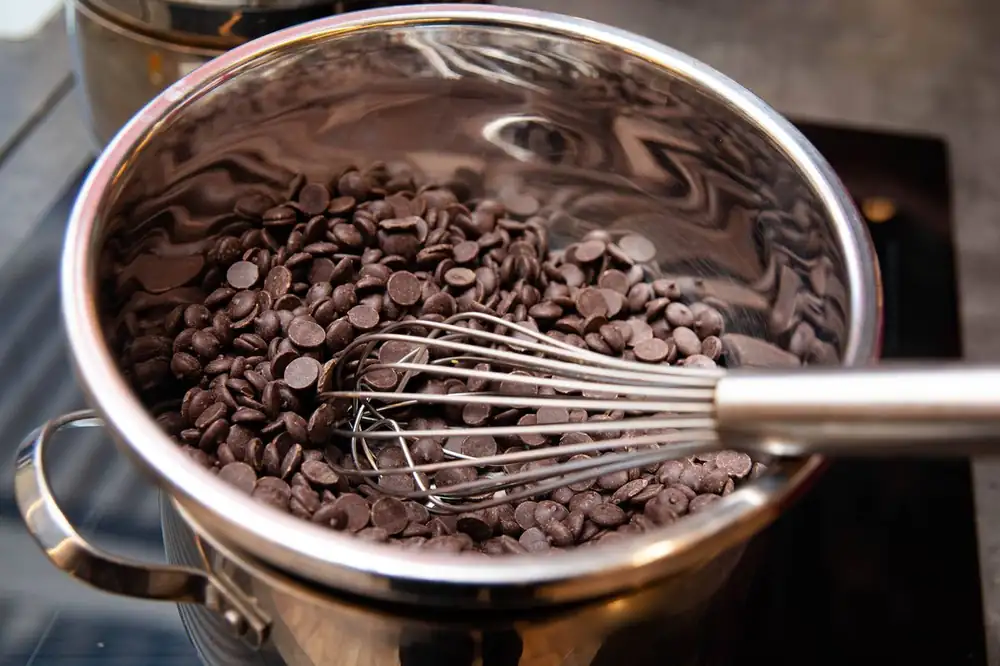
It is typically available in bars, blocks, chips or other formats that allow for straightforward measuring and melting. Cooking chocolate varies in its cocoa solid content and sugar levels depending on the specific product. Certain types are quite bitter with minimal sugar content, while others are sweeter and formulated for specific recipes.
Dark, milk and white cooking chocolate varieties can all be found. A key characteristic of cooking chocolate is that it is designed to be mixed with other ingredients.
For instance, it can be melted into cake batter, used in brownie recipes, blended into a sauce or employed to create a chocolate glaze. Cooking chocolate is perfectly safe to consume, though it may not deliver the same taste as a standard chocolate bar.
The texture can also differ when set, and it tends to melt more readily and evenly than its everyday counterpart. You will typically find cooking chocolate in the baking aisle of supermarkets, usually alongside chocolate chips.
Regular eating chocolate, by contrast, is generally stocked in a separate aisle, most commonly near biscuits and confectionery. What is normal/eating chocolate?
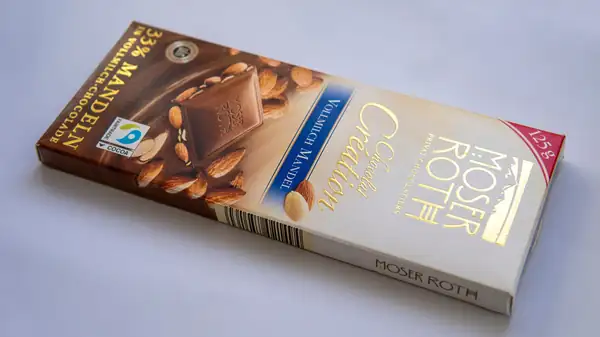
Regular chocolate, or simply chocolate as most people know it, refers to the chocolate bars lining supermarket shelves that are intended primarily for eating rather than for use as a cooking ingredient. Eating chocolate is all about flavour and texture.
Manufacturers carefully balance cocoa, sugar, milk and cocoa butter to create a smooth, creamy or indulgent chocolate that is enjoyable to eat on its own. Depending on the variety, standard chocolate may also contain additional ingredients such as nuts, biscuits or flavourings.
In many recipes, regular chocolate can be substituted for cooking chocolate, though the outcome may vary depending on the type used. It is worth noting that chocolate can scorch more easily when melted, so it is advisable to use a glass bowl set over hot water rather than relying on a microwave.
- Who: Cooking · Chocolate