Grain selection and cooking sequence separate Chinese and Japanese fried rice
The nineteenth-century migration of a Sui dynasty boatman’s meal to Japan created two distinct fried rice traditions separated by grain starch and ingredient sequencing.
“in Japanese. This is the type of fried rice that was brought to Japan by Chinese immigrants in the 1800s. The other common Japanese name is”
The migration of fried rice from the Yangzhou region to Japan in the nineteenth century established two distinct culinary traditions from a single origin. Boatmen in eastern China between 581 and 618 AD first combined cooked rice with scrambled eggs, a technique that Chinese immigrants later carried across the sea.
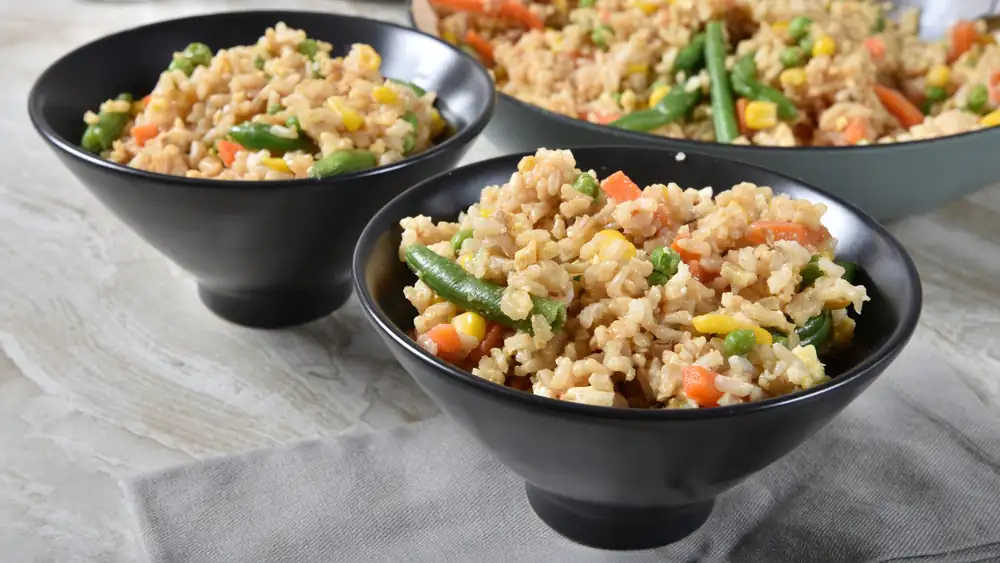
The Chinese method relies on long or medium grain rice, such as Thai jasmine or American long grain, which possesses less starch and resists clumping. Cooks achieve the necessary dryness by using leftover rice, ensuring each grain separates cleanly when subjected to the high heat required for the dish.
In this tradition, eggs and vegetables are cooked independently before joining the rice. The slanted walls of a traditional wok provide even temperature distribution for tossing the ingredients, which are then unified with soy, oyster, fish, and hoisin sauces and finished with sesame oil.
Japanese adoption of the dish introduced short grain rice, which carries a higher starch content and yields a naturally stickier texture. Because freshly cooked white rice is prized for plain consumption in Japan, cooks strictly reserve the previous day’s leftovers for these fried preparations to avoid wasting the staple.
The Japanese approach split into two regional methods known as chahan in the Kanto region and yakimeshi in the Kansai region. Chahan mirrors the Chinese sequence by frying the egg first, followed by the rice and subsequent flavorings, and is typically served in Chinese restaurants.
Yakimeshi reverses this order, placing the rice into a wok, skillet, or iron griddle before adding other ingredients. This sequence traps more moisture in the short grain, resulting in a softer dish that efficiently incorporates leftover cooked vegetables and meats.
The divergence of these styles demonstrates that a culinary tradition is defined as much by the physical sequence of cooking as by the ingredients themselves. Altering the starch of the grain or the exact order in which it meets the heat fundamentally reconstructs the architecture of the dish.