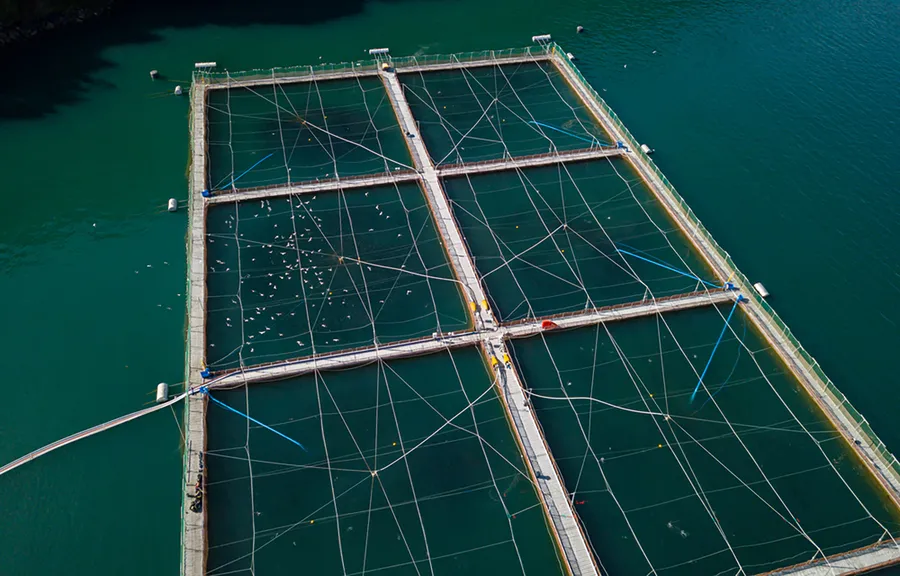
Chile starts shipping salmon to Nicaragua, strengthens Russian seafood connection
Chile has began trading a new trade for salmon shipments after having completed the technical and sanitary process needed to ship to Nicaragua.
“This progress reflects the permanent commitment of our service and the export sector to the continuous improvement of official control systems,”
Last November, Chile’s National Fisheries and Aquaculture Service (Sernapesca) agreed to an audit from Nicaraguan authorities that aimed to certify Chile’s phytosanitary controls. After which negotiations over an export condition certificate took place, that authorization was then given in March of this year.
With negotiations now wrapped up, AquaChile, which is Chile’s largest salmon-farming company, has since made the first shipment of Chilean salmon to Nicaragua, sending 8 metric tons (MT) of product by sea. Another seven firms have also been given authorization to export salmon to the Central American country. “This advance represents an important milestone for the national fishing and aquaculture sector since it opens a new destination for Chilean salmon and reflects the confidence of the Nicaraguan authority in [Sernapesca’s] official control and certification system,” Sernapesca National Director Soledad Tapia told reporters.
Tapia explained the evaluation process could now be replicated for the export of other fishery. Aquaculture products, such as mollusks, whitefish, or crustaceans, adding that once these categories are recognized, other companies may become incorporated and forgo the need for prior inspections with each new application. Elsewhere, Sernapesca unveiled that the Federal Service for Veterinary and Phytosanitary Control of the Russian Federation (Rosselkhoznadzor) inspected nine Chilean seafood-processing businesses and their entire associated supply chain, including farming centers, cold storage facilities, and slaughterhouses.
The audit sought to ensure compliance with the requirements established by the Eurasian Economic Union and the Russian Federation, particularly in the implementation of new microbiological requirements. Following inspections, Rosselkhoznadzor agreed to lift earlier on established restrictions for five firms, allowing them to resume their overseas sales to Russia, and indicated the evaluation of the remaining four firms will hinge mainly on the presentation of complementary documentation and an analysis of how these firms implemented new controls.
- Who: Nicaragua