7 Slovak Drinks You Need to Try
Slovakia’s food traditions extend well beyond bryndza, delicious dumplings, and hearty mountain dishes.
The country also has a distinctive drinking culture, ranging from cult soft drinks such as Kofola and Vinea to potent fruit and herbal spirits that have been part of Slovak social life for generations. Some are sweet and refreshing, others decidedly stronger and more challenging for first-time visitors.
Whether you’re ordering a drink in a Bratislava pub, stopping at a mountain koliba, or browsing the shelves of a Slovak supermarket, these five Slovak drinks are well worth looking out for.
- 1. Kofola
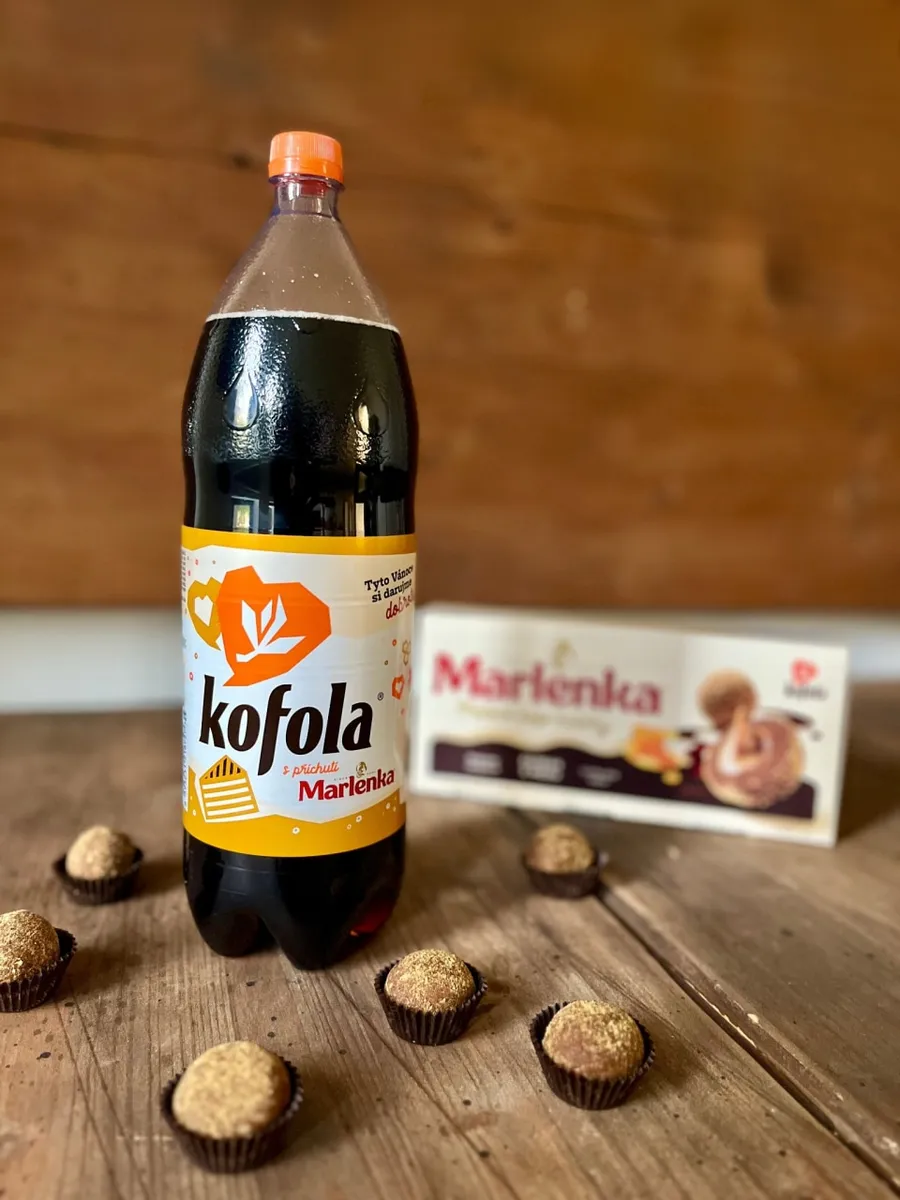
If you spend any time in Slovakia, chances are you’ll encounter Kofola. This dark, carbonated drink is often compared with Coca-Cola or Pepsi, but its herbal, slightly spicy flavor is quite distinctive. Kofola was created in Czechoslovakia in 1960 as a domestic alternative to Western cola drinks.
Its recipe was based around KOFO syrup, developed from a mixture of herbal and fruit ingredients with caffeine. It became enormously popular during the 1960s and 1970s and, although foreign soft drinks flooded the market after the fall of communism, Kofola eventually made a major comeback.
Today, it remains closely associated with both Slovakia and Czechia. One of the best ways to try it is on tap in a pub or restaurant, where it is commonly served much like draft beer.
- 2. Vinea
Another classic Slovak soft drink is Vinea, a carbonated grape-based beverage with a sweet, fruity flavor. Unlike most sodas, its distinctive character comes from grapes, giving it a taste somewhere between sparkling grape juice and a conventional soft drink. Vinea was developed in Pezinok in 1973 and launched on the market the following year.
In 2008, the brand became part of Kofola, the same company behind the iconic cola-style drink featured above. Today, Vinea remains one of Kofola Group’s key beverage brands.
The range currently includes white and red Vinea, along with Vinea Nealko Strik. As a non-alcoholic drink, it is enjoyed by both adults and children and is widely available in supermarkets, cafés, pubs, and restaurants throughout Slovakia.
- 3. Slovak Beer
Slovakia may live in the shadow of its Czech neighbor when it comes to international beer fame, but beer has a long tradition here too and remains an important part of Slovak drinking culture. Pale lagers dominate the traditional beer scene, particularly the familiar 10° and 12° styles found throughout Central Europe.
The best-known Slovak brand is Zlatý Bažant, a golden lager produced in Hurbanovo and today part of the Heineken group. Other established Slovak names include Šariš, strongly associated with eastern Slovakia, and Urpiner, brewed in Banská Bystrica.
But Slovak beer is no longer just about large breweries and traditional lagers. In recent years, microbreweries and brewpubs have become increasingly prominent, producing everything from unfiltered lagers to IPAs and other modern styles.
Bratislava, Košice, and many smaller cities now have local breweries and craft-beer pubs where visitors can explore a much broader side of Slovak brewing.
- 4. Borovička
Now we move on to something considerably stronger. Borovička is a traditional juniper spirit with an unmistakably piney, herbal aroma. If you’re familiar with gin, you’ll recognize the prominent flavor of juniper, although borovička has its own distinct character and drinking tradition.
It is made using juniper (Juniperus communis), rather than pine fruit. Slovakia has a particularly strong association with the spirit, and several Slovak regional names (including Spišská Borovička, Liptovská Borovička, and Inovecká Borovička) have protected geographical status.
Borovička is generally drunk neat in small glasses. Its assertive juniper flavor means it may not be everyone’s favorite on the first sip, but anyone interested in traditional Slovak spirits should try it at least once.
- 5. Slovak Wine
Slovakia may not be as internationally famous for wine as neighboring Austria or Hungary, but it has a long winemaking tradition and several distinctive wine regions worth exploring. Vineyards are found mainly in the warmer southern and southwestern parts of the country, including the Small Carpathians near Bratislava, as well as around Nitra and along Slovakia’s southern border. One of the country’s most notable wine areas is Slovak Tokaj, part of the historic Tokaj wine region shared with Hungary.
It is best known for rich, aromatic wines made from varieties such as Furmint, Lipovina, and Yellow Muscat, including naturally sweet dessert wines. Elsewhere, Slovak producers make a wide range of whites and reds, with varieties such as Riesling, Grüner Veltliner, Frankovka, and Blaufränkisch-style reds commonly found.
Wine is particularly easy to discover around Bratislava. The nearby Little Carpathian Wine Route passes through historic wine towns such as Pezinok, Modra, and Svätý Jur, where visitors can stop at local wineries and wine cellars.
In autumn, wine festivals and the arrival of burčiak, a lightly fermented young wine, make this one of the best times to experience Slovak wine culture.
- 6. Slivovica
Slivovica is plum brandy, a strong fruit spirit found throughout Central and Eastern Europe and particularly popular in Slovakia. Slovakia’s official tourism portal specifically highlights plum brandy (and Bošácka slivovica in particular) as part of the country’s drinking traditions so if you love a good brandy, you must give this a try. Traditional slivovica begins with ripe plums, which are fermented before the resulting mash is distilled.
The quality and ripeness of the fruit play an important role in the aroma and final character of the spirit. Good slivovica should retain a recognizable plum aroma and flavor despite its high alcohol content.
It is typically served neat in small glasses and often appears at celebrations, family gatherings, and festive meals. And if someone in Slovakia offers you a homemade version, be warned: it may be considerably stronger than you expect.
- 7. Demänovka
or something completely different, try Demänovka, a Slovak herbal liqueur originating from the Liptov region. Its character comes from herbs and spices, resulting in a complex combination of bitter, sweet, earthy, and aromatic flavors. The classic Demänovka Bitter contains 38% alcohol and has pronounced herbal and root notes, with touches of honey and orange peel.
The range has expanded considerably and currently includes versions such as Demänovka Honey, Cranberry, and Orange & Cacao. Older generations have sometimes treated herbal liqueurs such as Demänovka as a traditional digestif or even a home remedy, but I would avoid the original article’s suggestion that it has actual medicinal benefits.
Today, Demänovka can be enjoyed neat as an aperitif or digestif, or used in cocktails.
What to Drink in Slovakia
You don’t need to go far to find these drinks.
Kofola and Vinea are widely available, while traditional restaurants, pubs, and bars in Bratislava, Košice, and other Slovak cities are good places to sample local spirits. In mountain areas, traditional restaurants and kolibas provide an especially atmospheric setting for exploring Slovak food and drink.
If you don’t drink alcohol, start with a cold Kofola or Vinea. If you do, a small glass of slivovica or borovička offers a much more spirited introduction to Slovak tradition. Related: 20 Most Popular Slovak Foods
Related: 7 Delicious Slovak Desserts Related: 5 Tasty Slovak Cheeses
Kofola
If you spend any time in Slovakia, chances are you’ll encounter Kofola. This dark, carbonated drink is often compared with Coca-Cola or Pepsi, but its herbal, slightly spicy flavor is quite distinctive. Kofola was created in Czechoslovakia in 1960 as a domestic alternative to Western cola drinks. Its method was based around KOFO syrup, developed from a mixture of herbal and fruit elements with caffeine. It became enormously popular during the 1960s and 1970s and, though foreign soft drinks flooded the market after the fall of communism, Kofola eventually made a principal comeback. Today, it remains closely associated with both Slovakia and Czechia. One of the best ways to try it is on tap in a pub or restaurant, where it is commonly served much like draft beer.
Vinea
Another classic Slovak soft drink is Vinea, a carbonated grape-based beverage with a sweet, fruity savor. Unlike most sodas, its distinctive character comes from grapes, giving it a taste somewhere between sparkling grape juice and a conventional soft drink. Vinea was developed in Pezinok in 1973 and launched on the trade the following year. In 2008, the brand became part of Kofola , the same company behind the iconic cola-style drink featured above. Today, Vinea remains one of Kofola Group’s key beverage brands. The range right now includes white and red Vinea, along with Vinea Nealko Strik. As a non-alcoholic drink, it is enjoyed by both adults and children and is widely available in supermarkets, cafés, pubs, and restaurants throughout Slovakia.
Slovak Beer
Slovakia may live in the shadow of its Czech neighbor when it comes to international beer fame, but beer has a long tradition here too and remains an key part of Slovak drinking culture. Pale lagers dominate the traditional beer scene, particularly the familiar 10° and 12° styles found throughout Central Europe. The best-known Slovak brand is Zlatý Bažant, a golden lager produced in Hurbanovo and today part of the Heineken group. Other established Slovak names include Šariš, strongly associated with eastern Slovakia, and Urpiner, brewed in Banská Bystrica. But Slovak beer is no longer just about large breweries and traditional lagers. In recent years, microbreweries and brewpubs have become increasingly prominent, producing everything from unfiltered lagers to IPAs and other modern styles. Bratislava, Košice, and many smaller cities now have local breweries and craft-beer pubs wher
Borovička
Now we move on to something considerably stronger. Borovička is a traditional juniper spirit with an unmistakably piney, herbal aroma. If you’re familiar with gin, you’ll recognize the prominent flavor of juniper, though borovička has its own distinct character and drinking tradition. It is made using juniper ( Juniperus communis ), rather than pine fruit. Slovakia has a particularly strong association with the spirit, and several Slovak regional names (including Spišská Borovička, Liptovská Borovička, and Inovecká Borovička) have protected geographical status. Borovička is generally drunk neat in small glasses. Its assertive juniper flavor means it may not be everyone’s favorite on the first sip, but anyone interested in traditional Slovak spirits should try it at least once.
Slovak Wine
Slovakia may not be as internationally famous for wine as neighboring Austria or Hungary, but it has a long winemaking tradition and several distinctive wine regions worth exploring. Vineyards are found mainly in the warmer southern and southwestern parts of the country, including the Small Carpathians near Bratislava, as well as around Nitra and along Slovakia’s southern border. One of the country’s most notable wine areas is Slovak Tokaj , part of the historic Tokaj wine region shared with Hungary . It is best known for rich, aromatic wines made from varieties such as Furmint, Lipovina, and Yellow Muscat, including naturally sweet dessert wines. Elsewhere, Slovak makers make a wide range of whites and reds, with varieties such as Riesling, Grüner Veltliner, Frankovka, and Blaufränkisch-style reds commonly found. Wine is particularly easy to discover around Bratislava. The nearby Lit
Slivovica
Is plum brandy, a strong fruit spirit found throughout Central and Eastern Europe and particularly popular in Slovakia. Slovakia’s official tourism portal specifically highlights plum brandy (and Bošácka slivovica in particular) as part of the country’s drinking traditions so if you love a good brandy, you must give this a try. Traditional slivovica begins with ripe plums, which are fermented before the resulting mash is distilled. The quality and ripeness of the fruit play an key role in the aroma and final character of the spirit. Good slivovica should retain a recognizable plum aroma and taste despite its high alcohol content. It is typically served neat in small glasses and often appears at celebrations, family gatherings, and festive meals. And if someone in Slovakia offers you a homemade version, be warned: it may be considerably stronger than you expect.
Demänovka
Or something completely different, try Demänovka, a Slovak herbal liqueur originating from the Liptov region. Its character comes from herbs and spices, resulting in a complex combination of bitter, sweet, earthy, and aromatic flavors. The classic Demänovka Bitter contains 38% alcohol and has pronounced herbal and root notes, with touches of honey and orange peel. The range has expanded considerably and at present includes versions such as Demänovka Honey, Cranberry, and Orange & Cacao. Older generations have sometimes treated herbal liqueurs such as Demänovka as a traditional digestif or even a home remedy, but I would avoid the original article’s suggestion that it has actual medicinal benefits. Today, Demänovka can be enjoyed neat as an aperitif or digestif, or used in cocktails.