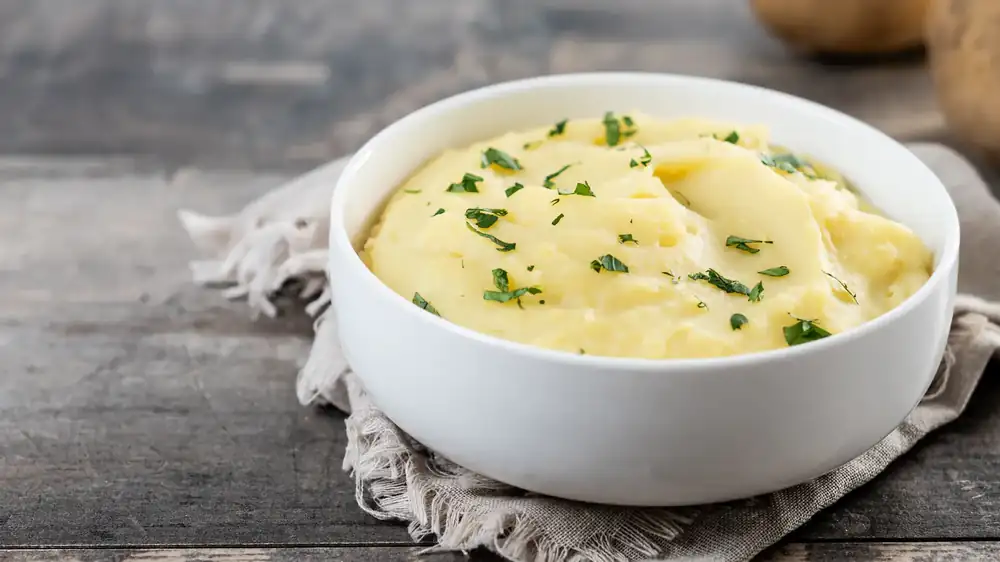
Neither a mixer nor a blender: this utensil produces a much lighter puree, “it’s the best way in the world to make it”
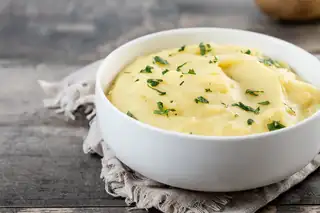
Mashed potatoes are a popular side dish, appreciated for their mild flavor, comforting texture, and ease of preparation. However, in our efforts to save time, we can sometimes fall into bad habits.
The risk with popular recipes is that pitfalls can arise that may compromise the dish's success and identity. While interpretations and adaptations are encouraged, far removed from culinary dogmas that would stifle creativity, certain techniques and approaches nevertheless remain fundamental.
When it comes to mashed potatoes, the pursuit of extreme simplicity can lead to a loss of quality. In this case, modernity isn't always an advantage! Indeed, many people tend to use an immersion blender or a regular blender to mash cooked potatoes. Yet, nothing beats a manual potato masher!
The explanation doesn't lie in an exaggerated nostalgia for bygone utensils. The intense mechanical action of the blades of an electric appliance proves too aggressive on the flesh of the potatoes. The result is a purée that loses its lightness and takes on a much less pleasant texture.
A mechanical effect that negatively impacts the texture of the mashed potatoes.
During cooking, potato cells, which contain starch granules, absorb water. The combination of immersion and increased temperature alters the cell structure. The starch granules swell due to molecular bonds with the water. Simultaneously, the cell walls become more fragile.
Free starch contributes to the formation of a gel that binds preparations like mashed potatoes. However, its lightness comes from maintaining the structure of water-filled cells that tend to separate from each other, but without bursting.
Applying mechanical action aids this separation without forcing the rupture of cell walls (which would simply lead to the formation of additional, stickier starch gel). A potato ricer is ideal for this.
The fast-rotating metal blades of a blender or immersion blender, on the other hand, are far too powerful. They completely break down the remaining cellular structures. This is precisely what gives the purée an essentially elastic, pasty, and heavier texture.
The leaders unanimously agree
This kind of detail is what makes the difference between exceptional mashed potatoes and just any dish. It is precisely for this reason that Joël Robuchon, whose mashed potato recipe is still considered the best in the world, was categorically opposed to the use of electric utensils for blending mashed potatoes.
He even went so far as to use a sieve after puréeing the potatoes with a fine-mesh food mill. Many other renowned chefs, such as Anne-Sophie Pic and Philippe Etchebest, also advocate using a manual potato ricer, or even simply mashing with a fork.
If it's not already part of your kitchen utensils, a manual potato masher is a must-have to acquire without delay so that your next mashed potatoes leave an unforgettable memory of light and delicious flavor on your guests' taste buds!