You're probably cracking your eggs in the wrong place: chefs prefer this surface rather than the edge of the bowl
The omelet is one of the simplest dishes in French cuisine. But do you really know how to crack your eggs? The answer is in this article!
A few beaten eggs, a frying pan, and some oil or butter are all you need for a light, healthy, and delicious dinner. Of course, you can customize your omelet in many ways to create a balanced meal. For example, you could add herbs, cheese, mushrooms, ham, potatoes, or even spinach.
In France, the omelet has gradually become a popular and family dish. The term "omelet" appears in French texts from the 17th century onwards. It then became a true classic of French cuisine, thanks in particular to its simple preparation and the possibility of filling it as desired. But before making an omelet, you first need to know how to properly crack eggs!
The common gesture when cracking eggs is to tap them against the edge of the bowl in which you intend to beat them. But be aware that this isn't really recommended. Why? Simply because the edge of the bowl risks breaking the shell into several small pieces.
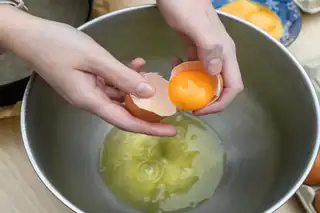
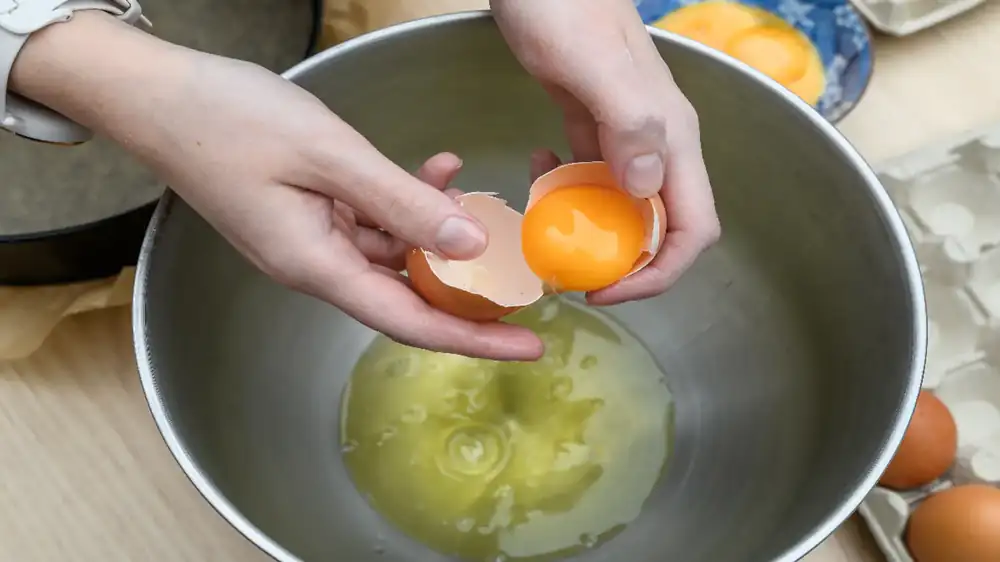
You're therefore more likely to find tiny bits of shell in your omelet. So, what's the best way to avoid this? According to many cooks, it's best to use a flat surface. This will allow the shell to crack more cleanly.
Furthermore, when the edge of the bowl comes into contact with the outside of the eggshell, it risks being contaminated by bacteria present on your food. By cracking the egg on a flat surface and then opening it over the bowl, you limit the contact between the shell, a breeding ground for bacteria, and the egg's contents.
Here is the ideal number of days to keep an omelet refrigerated
As you might have guessed, while eggs are convenient in many ways, they remain susceptible to bacteria. Indeed, this product can very easily carry Escherichia coli and salmonella if basic hygiene rules are not followed. And one of these rules is the storage time of the omelet.
Therefore, to avoid any risk of food poisoning, it is recommended to keep an omelet for a maximum of 24 to 48 hours. Scrambled eggs can be kept for 24 hours in the refrigerator, in an airtight container.