The best cream or filling for tiramisu with pasteurized eggs
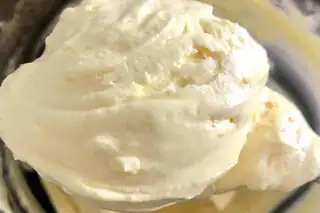
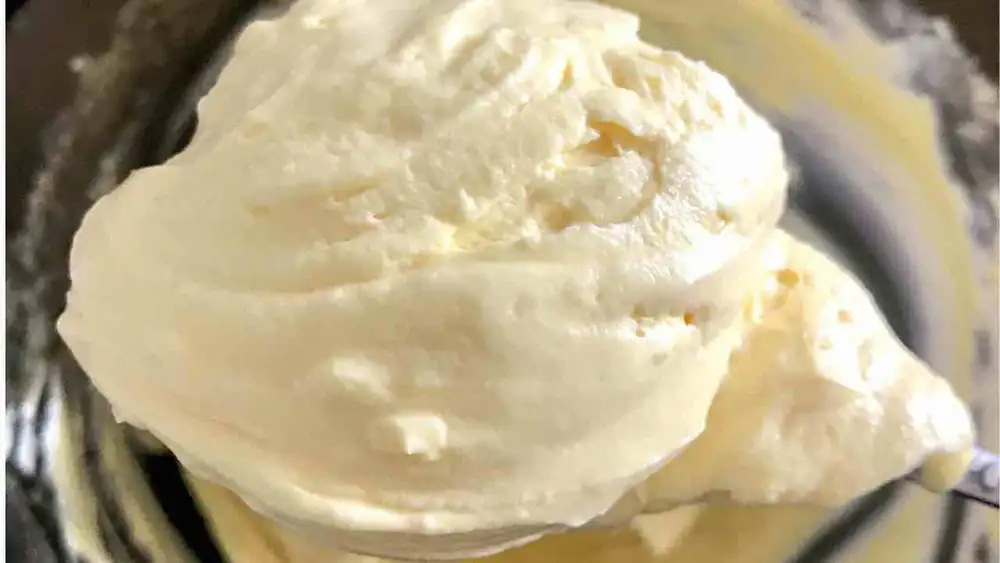
Creamy, velvety, and stable enough to perfectly support the layers: this mascarpone cream with pasteurized eggs is a delicious filling designed to make a tiramisu with an irresistible texture.
In tiramisu, the cream is the absolute protagonist: it must be soft but not runny, enveloping without being excessively heavy, and above all capable of holding its structure when it meets the biscuits soaked in coffee. To achieve these characteristics, you can prepare a tiramisu cream with mascarpone and pasteurized eggs, mixing the yolks and whites separately with a hot syrup of water and sugar. This process requires a little more attention than the traditional preparation, particularly in controlling the temperature of the syrup, but it yields a very creamy, airy, and stable filling.
The crucial step is to heat the sugar and water syrup to 121°C (240°F) and fold it into the egg yolks and egg whites separately while whisking. For this reason, it's advisable to use a kitchen thermometer and be precise with the quantities. The mascarpone is added next to the egg yolks, while the beaten egg whites are incorporated only at the end with gentle, upward movements. This creates a soft and stable mascarpone filling for tiramisu, also suitable for filled cakes, small glasses, and other desserts.
Ingredients for the tiramisu cream or filling
- 400 g of mascarpone
- 75 g of egg yolks, approximately 5
- 170 g of sugar to pasteurize the egg yolks
- 50 g of water for the egg yolk syrup
- 125 g egg whites, about 5
- 250 g of sugar to pasteurize the egg whites
- 50 g of water for the egg white syrup
Step-by-step process for making mascarpone cream
- Before you begin, prepare all the ingredients, weighed, along with the bowls and electric whisk. Keep a kitchen thermometer handy: once the syrup reaches the required temperature, use it immediately.
- Start with the egg yolks. Place 170g of sugar and 50g of water in a saucepan, turn on the heat, and begin heating. Meanwhile, transfer the egg yolks to a large bowl and beat them for a few seconds with an electric whisk.
- Check the syrup temperature with a thermometer. When it reaches 121°C (250°F), slowly pour it in a thin stream along the inside edge of the bowl containing the egg yolks, continuing to beat with the whisk. Avoid pouring it directly onto the whisk, and don't add it all at once.
- Continue beating the egg yolks until the mixture has cooled. It should be light, fluffy, and easy to work with.
- Move on to the egg whites. Prepare a second syrup by placing 250 g of sugar and 50 g of water in a small saucepan. Turn on the heat and, while the syrup heats, beat the egg whites until stiff in a large bowl.
- Once this syrup has reached 121°C, slowly pour it over the egg whites, continuing to beat them with the whisk. Again, proceed slowly, pouring the syrup along the edge of the bowl.
- Continue beating the egg whites until the mixture has cooled to a lower temperature and has taken on a glossy, fluffy, and stable consistency.
- Now, prepare the actual cream. Take the mascarpone, preferably left out of the refrigerator for a few minutes so it's not too cold, and gradually fold it into the egg yolk mixture. Adding the mascarpone gradually helps ensure a smooth, lump-free cream.
- Once the mascarpone and egg yolks are perfectly combined, fold in the pasteurized egg whites. Use a spatula and gently fold in the mixture from the bottom up, without overmixing: retaining the air incorporated into the egg whites is essential for a fluffy filling.
- Stop as soon as the cream is smooth. Overworking it can cause it to lose volume and become runny. If you're using a piping bag or want a firmer consistency, you can let it rest in the refrigerator before using it.
Once ready, this mascarpone cream with pasteurized eggs is ideal for layering tiramisu: its consistency allows it to be easily spread over biscuits, resulting in a creamy yet well-structured dessert. It can also be used as a filling for cakes, soft tarts, and desserts in a glass. The secret is precision: the syrup temperature, properly weighed ingredients, and gentle movements in the final step make all the difference. The cream should be stored tightly covered in the refrigerator, and to fully appreciate its consistency and freshness, it's best to use it quickly.