Why are a few drops of lemon juice added to the water when making rice pilaf?
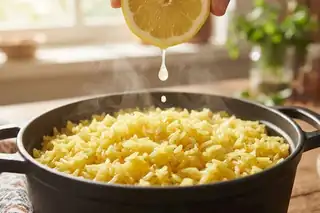
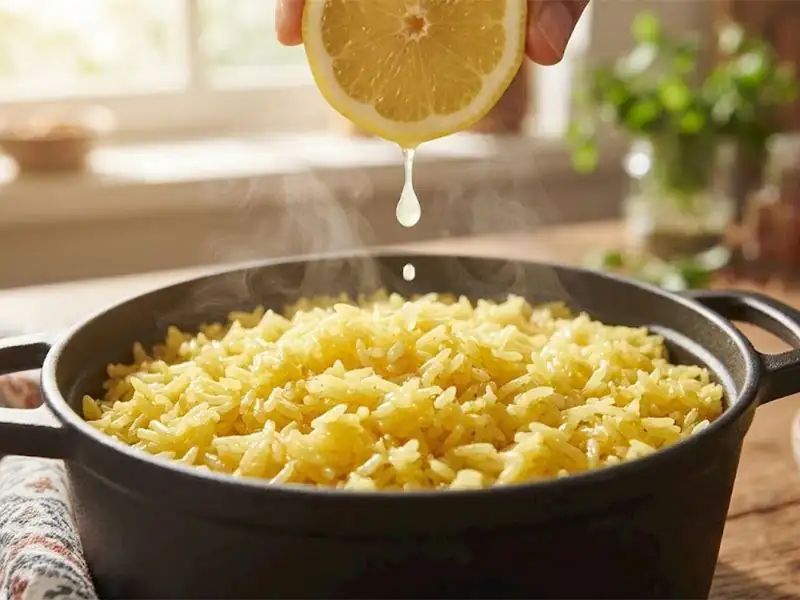
Adding a few drops of lemon juice to the water when preparing rice pilaf is a long-standing culinary trick. The main purpose of this isn't to enhance the lemon flavor of the rice, but rather to provide a slight boost to the cooking process. A small amount of lemon juice can help the rice appear whiter and shinier.
-
Lemon Juice Can Help Rice Look Whiter: One of the best-known uses of lemon juice is to help rice appear whiter. Its acidity can affect the rice's appearance during cooking, contributing to a more vibrant color. Therefore, those who want to prepare white and shiny-looking rice can add a few drops of lemon to the water. The important thing here is to keep the amount of lemon juice low. Using too much lemon can alter the natural taste of the rice, so a few drops are usually sufficient.
-
Lemon Juice Can Contribute to More Distinct Grains: Rice releasing too much starch while cooking can cause the grains to stick together and the pilaf to become mushy. The acidic nature of lemon juice is thought to slightly affect the behavior of the starch on the surface of the rice. Therefore, it's used as one of the little tricks that helps the pilaf look more separate and fluffy. However, lemon isn't the only secret to fluffy pilaf. Washing the rice beforehand, using the correct water ratio, and not stirring too much during cooking are also very important.
-
Lemon Juice Helps Rice Look Shinier: A few drops of lemon juice can help rice look shinier after cooking. Especially in rice prepared with butter or vegetable oil, this shine helps the grains look more appetizing. However, the unique aroma of lemon is generally not noticeable when used in this amount. Therefore, lemon juice is used more to enhance the appearance of the rice than to give it a lemon flavor. The type of rice used and the cooking technique also have a significant impact on the result.