Grandma's recipe for quince bread
This quince bread recipe is absolutely fantastic every year! And that's despite the fact that quinces don't really fit into today's world. They're the opposite of what's called convenience food—food that doesn't require much preparation, or even any preparation at all. Because quinces can't just be eaten as is.
- 1 kilogram of quince puree (from 1
- 2 -1
- 5 kg quince)
- 1 kilogram of gelling sugar 1:1 (you can also use only 750 grams)
- 3 packets of citric acid (5g each)
- Sugar (for rolling)
- To make quince puree, rub off the fuzz from the quinces with a paper towel or other dry cloth. Wash the quinces, quarter them, and remove the stem, core, and blossom end. Cover with water and cook until quite soft (about 30 to 40 minutes).
- Drain the water and purée the quince. Place the purée in a saucepan with the preserving sugar and citric acid and bring to a boil. Simmer, stirring constantly, until the mixture thickens and becomes viscous (at least 15 minutes). The purée is ready when you can draw a trail on the bottom of the pan with a wooden spoon.
- Depending on how thick you want the quince mixture to be, spread it onto one or two baking sheets lined with parchment paper and let it dry at room temperature for a few days. When the surface of the bread is no longer very sticky, turn it over so the other side dries as well.
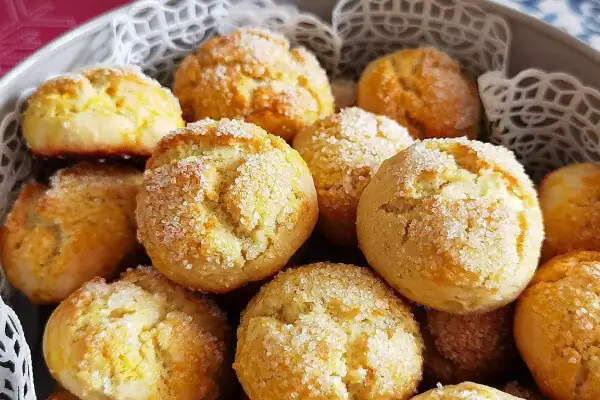
- The quince jelly is ready as soon as you can peel it off the baking paper. Simply sprinkle it with coarse sugar and cut it into diamond shapes. Or: sprinkle the sugar onto a baking board, place the quince slice on top, and let it dry a little longer.
Quinces need to be cooked before you can do anything with them, like bake a quince cake. Unless, of course, the wonderful aroma of quinces is enough for you (as it often is for me ). For everyone else: My grandmother has a fantastic old quince bread recipe. Incidentally, it has nothing to do with bread; it's a kind of confection. Dulce de membrillo, as it's called in Spanish, does take some time, as I mentioned, but it's actually quite easy to make. Quince bread has a wonderfully shimmering red color. And it tastes quite unique, a bit like delicious gummy bears…
The cooked quince paste, or quince confectionery, can be eaten on its own, as a dessert, or with cheese. A tip for those in a hurry: the jelly can be dried more quickly in the oven at a low temperature with the door slightly ajar than in the air.
This is how you make beautiful quince bread
By the way, since I've been asked about it several times: The vibrant red color of quince paste doesn't come from any dye or special ingredients. Some quince varieties turn that red naturally when cooked. A nice side effect, isn't it?
1 kilogram of quince puree. For the quince puree, rub off the fuzz from the quinces with a kitchen paper towel or other dry cloth. Wash the quinces, quarter them, and remove the stem, core, and stem end. Cover with water and cook until quite soft (this takes about 30 to 40 minutes).
1 kilogram of preserving sugar (1:1 ratio), 3 packets of citric acid. Drain the water and purée the quince. Place the purée in a pot with the preserving sugar and citric acid and bring to a boil. Simmer, stirring constantly, until the mixture thickens and becomes viscous (at least 15 minutes). The purée is ready when you can draw a trail on the bottom of the pot with a wooden spoon.
Sugar: As soon as you can peel the quince jelly off the baking paper, it's ready. Simply sprinkle it with coarse sugar and cut it into diamond shapes. Or: sprinkle the sugar onto a baking board, place the quince slice on top, and let it dry a little more.