How matcha became the star of our cups
What is matcha?
Simply put, matcha is an exceptional green tea ground into a very fine powder. Unlike traditional tea, where the leaves are discarded after brewing, matcha is whisked directly into the water: this way, you consume 100% of the leaf, which amplifies its benefits tenfold. Its magic begins during cultivation: a few weeks before harvesting, the tea plants—the tea shrubs—are deprived of sunlight. To compensate, the plant overproduces chlorophyll and amino acids, giving matcha its vibrant color and delicate flavor. After harvesting, the leaves are carefully dried and then ground between traditional stone mills until a remarkably fine powder is obtained. It is this meticulous craftsmanship that preserves all the aromatic richness of the leaf and explains why matcha provides sustained energy and a serene state of mind throughout the day.
The main benefits of matcha:
An elixir of youth: Matcha breaks all records for protecting the body. It is full of antioxidants that slow down the aging of our cells, boost our natural defenses and help us stay in top form.
The ally for successful workouts: Matcha is a great ally for your figure. Several studies show that it speeds up metabolism. In practical terms, if you drink matcha before a workout or even a simple walk, it helps your body tap more quickly into its fat reserves and convert them into energy, all while doing so gently!
The secret to a glowing complexion: Matcha isn't just good for you internally; thanks to its soothing and protective properties, it's a best friend to sensitive or blemish-prone skin. By combating everyday aggressors like stress, it helps calm acne, reduces redness, and purifies the skin.
How to choose the right matcha?
Behind the attractive packaging, matcha labels can be misleading: the terms "premium" or "ceremonial" are sometimes used indiscriminately. To recognize quality matcha, check three essential criteria. First, its color: it should be a bright, vibrant emerald green, a sign of shade cultivation rich in chlorophyll; a yellowish, khaki, or brown powder is generally to be avoided. Second, its grade: the ceremonial grade, from the first spring harvest, is the highest quality and is traditionally enjoyed, while the culinary grade, from later harvests, is perfect for matcha lattes, smoothies, and pastries. Finally, its origin: true traditional matcha comes from Japan, particularly the Uji and Nishio regions, renowned for producing some of the country's finest teas.
Ingredients and utensils:
- 1 to 2 g of matcha
- 70 ml of hot water (between 70°C and 80°C)
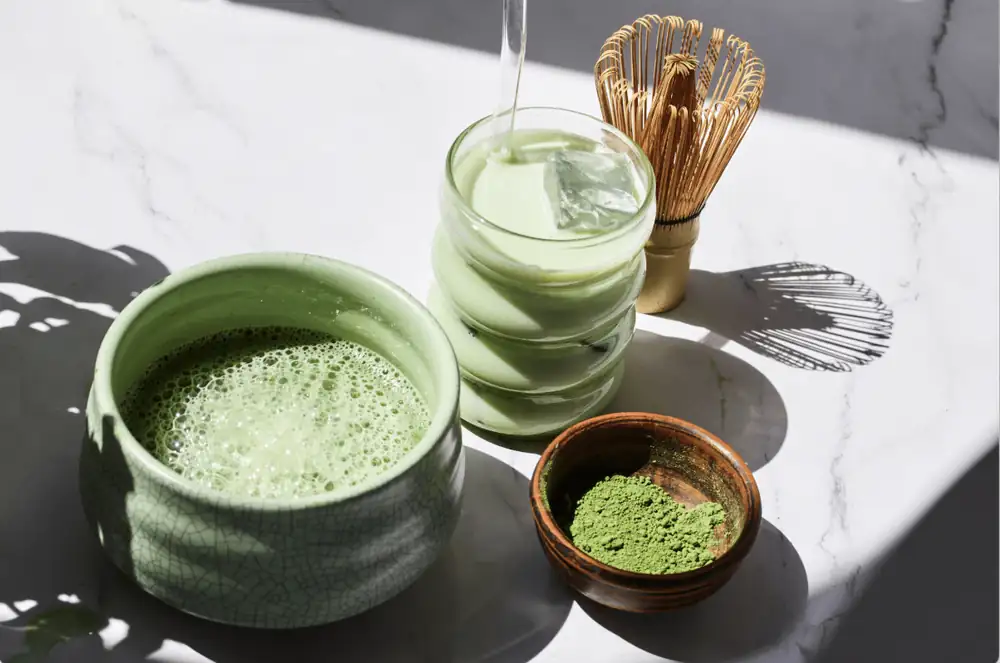
- Un grand bol (le chawan)
- a bamboo whip (the chasen).
The preparation:
Heat the bowl by pouring in a little hot water. Empty it, then dry it thoroughly with a clean cloth. Sift the matcha by passing it through a small, fine-mesh sieve directly into the bottom of the bowl. This is the secret to avoiding lumps. Gently pour the hot water over the powder.
Using the bamboo whisk, vigorously beat the mixture, drawing a "W" or an "M" with your wrist, without pressing the whisk down on the bottom of the bowl. After 20 to 30 seconds, a beautiful, very fine, light green foam will form on the surface. Slow down the movement at the end to break up any large bubbles, gently remove the whisk from the center, and you're done.
How to choose the right matcha?
Beyond the latte: How to pimp your matcha?
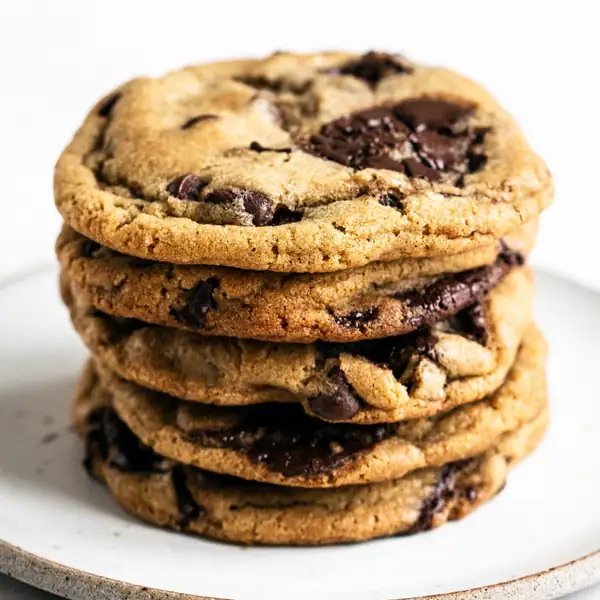
Matcha is a chameleon ingredient. Thanks to its ultra-fine powder texture, it's now found far beyond the traditional bowl of hot water or matcha latte. This tea is now being incorporated directly into our meals. It reveals itself as an unexpected natural coloring and flavoring. Its pronounced flavor holds up very well to cooking. On the sweet side, it's a hit in cookies, marble cakes, ice cream, and even tiramisu. Its slight bitterness helps to balance the sweetness of some desserts. On the savory side, the Japanese use it to sprinkle on tempura, to create green noodles (Cha Soba), or to combine it with fine salt (Matcha-jio) to season dishes.
The Legend of Eisai and the Miracle Cure
Over eight centuries ago, high in the mountains of Japan, the silence of Buddhist temples concealed an invisible struggle. As the monks attempted to elevate themselves through meditation, nightfall brought on fatigue that threatened to break their ritual.
It was then, at the dawn of the year 1191, that Master Eisai returned to his temple after traveling through the lands of China. Hidden in the folds of his coarse robe was a jealously guarded treasure: a handful of mysterious seeds and the secret of an emerald powder.
One evening, tired and struggling to stay awake, Eisai took his bowl, poured in the green powder and whisked it with boiling water until it became a silky foam, then passed it around.
With the first sip, the magic happened. The miracle of matcha was born.
An absolute clarity of mind filled the temple. The monks' hearts calmed, but their eyes opened, cleansed of all fatigue. Matcha became their sacred elixir, the bridge between inner peace and mental alertness.