It was a favorite of our grandmothers, and for good reason: that's why aster is a good choice
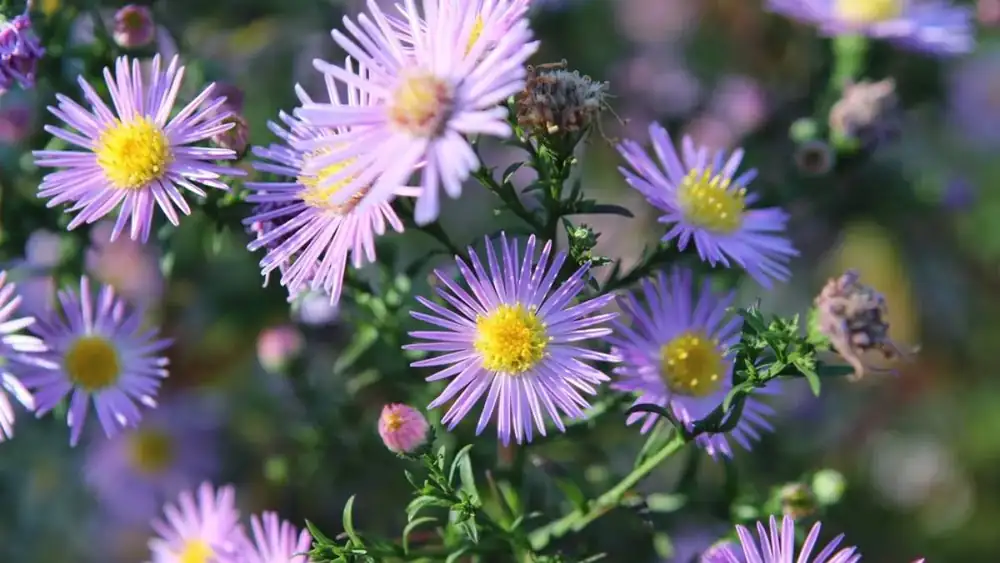
Who doesn't know the aster? It was an almost indispensable flower in grandmothers' gardens, blooming persistently even when the other summer flowers had slowly faded.
A special aster: Aster tataricus
The aster family is quite large, and there is also a species among them that is not primarily interesting for its garden beauty. This is Aster tataricus, or Tatar aster in Hungarian. The plant originates from East Asia: its natural habitat extends from southern Siberia through China, Mongolia and Korea to Japan. It is a perennial plant that also feels good in temperate climates. The history of the Tatar aster is special because the plant has been used in traditional Chinese medicine for a very long time. In China, it is known as Zi Wan, and its dried root or rootstock was used primarily.
It has been used in traditional medicine for over two thousand years
The medicinal use of Aster tataricus dates back more than two thousand years. Traditionally, it was considered primarily a respiratory herb. Preparations made from its root were used for coughs, respiratory complaints with mucus, and asthma. According to the Chinese medical view, the plant helps to “moisten” the lungs, soothe coughs, and promote the evacuation of mucus.
Modern research is also investigating the plant's active ingredients: so far, more than a hundred compounds have been identified in it, including flavonoids, terpenoids, and peptides. According to some laboratory and experimental studies, these may include compounds with anti-inflammatory and cough-relieving effects.
These results are interesting, but it's important to distinguish between laboratory results and proven, human-verified medicinal effects. Just because a compound in a plant shows promise in a trial doesn't mean that consuming the plant at home will have the same effect.
Beautiful flower, interesting herb – but don't experiment with it at home
The story of the Tatar aster shows how interesting traditions and research results can be hidden behind a seemingly familiar plant. However, the common garden aster should not be confused with the Aster tataricus used in traditional Chinese medicine! Moreover, the Tatar aster is not worth treating as a home herb. Questions have also been raised about the safety of some of the plant's components, so it is not worth trying its medicinal use on your own, without supervision.
In the garden, however, we can enjoy the asters in peace: few plants can extend the flowering season as beautifully as this hardy, colorful autumn favorite.