Zarangollo Murciano: Authentic Recipe from the Huerta
Some dishes don't need a fancy introduction. Murcian zarangollo is, at first glance, something as simple as zucchini, onion, and egg in a pan.
This is one of the most beloved dishes in Murcian cuisine: a scramble with a creamy texture, deep flavor, and uncomplicated preparation that has survived for centuries thanks precisely to its honesty. There are no frills in zarangollo. What you see is what you get, and what you see is delicious.
For those who have already mastered the art of the perfect scramble, Murcian zarangollo will be a natural extension of that knowledge applied to the produce of the Mediterranean garden. For those discovering it for the first time, it will become an essential part of their recipe collection.
What is Murcian zarangollo?
Zarangollo is a traditional dish from the Region of Murcia made with zucchini, onion, and a poached egg. In its most classic version—the so-called original recipe—these three ingredients are all that's needed. There's also a widespread variation that includes potato, which adds more body and substance to the dish.
Although the description might sound similar to ratatouille or Spanish vegetable stew, zarangollo has its own distinct character. The essential difference lies in the fact that the zucchini is cooked until almost completely soft—mellow and with a concentrated flavor—and then gently combined with the egg, without forming an omelet or a dry scramble. The result is something in between, with a unique texture achieved only through patience and slow cooking.
In Murcia, zarangollo is served as a tapa, as a starter, as a side dish for meat and fish, and even as a light main course for dinner. It's a must-have at the festival booths during the Spring Festival and the September Fair, always accompanied by rustic bread for dipping. Murcian paparajotes often conclude this same festive menu as a dessert.
History and origin of zarangollo
The origin of Murcian zarangollo is not precisely documented, but several theories have been explored by researchers of regional gastronomy. According to some historians, zarangollo could derive from a similar dish called “zaranga,” linked to the Aragonese reconquest of the region.
Another theory points to Jewish roots: in communities where meat wasn't consumed on certain days, vegetable and egg dishes served as a protein alternative. The Murcian countryside, with its abundance of zucchini and onions, would have been the perfect setting for zarangollo to take root and evolve into what we know today.
What is clear is that zarangollo originated as a subsistence dish. In the Middle Ages, access to meat was a privilege of the few, and garden produce was the daily staple for farmworkers in Murcia. From this humble origin comes the deeply homey character of zarangollo: something that each household prepares in its own way, with the proportions and cooking time that family tradition has passed down from generation to generation.
Today, zarangollo has transcended the borders of Murcia to become a recognized example of Spanish gastronomy, although it remains a dish with strong regional roots. For many Murcians living abroad, preparing zarangollo is a way to return, even if only briefly, to the kitchens of their childhood.
Variations of zarangollo in the Region of Murcia
One of the most fascinating aspects of Murcian zarangollo is that the name doesn't refer to a single recipe, but rather a family of dishes that varies considerably from town to town. This is probably the least known aspect of zarangollo outside the region and the most interesting from a culinary perspective.
The most well-known version—zucchini, onion, and egg—is the zarangollo from the city of Murcia and its surrounding area. But if you travel to Cieza, you'll find a completely different zarangollo: it's made with sweet red pumpkin, onion, and dried red peppers, without egg. The pumpkin is fried slowly until it loses all its water and turns a dark maroon color. The result is drier and more intense, with practically no moisture. A truly surprising dish.
In Fortuna, zarangollo is a stew of potatoes, onions, and snails. It contains no zucchini, no egg, and no apparent connection to the dish from the capital except for the name. A perfect example of how popular cuisine can evolve in parallel in neighboring regions.
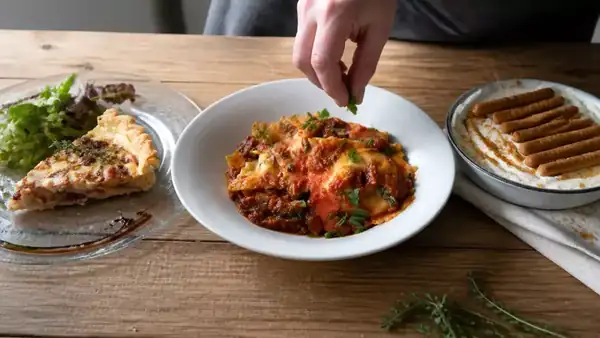
There is also the so-called zarangollo pie, typical of Monteagudo: the traditional fried vegetables are transformed into a layered pie, alternating layers of zarangollo with sausages from the pig slaughter (morcón, skinless blood sausages), covered with a sauce of Murcian paprika, dried red peppers, and cream. It is baked and served hot. It is a more festive dish, perfect for using up leftover zarangollo and transforming it into something with a more elaborate presentation.
The ingredients of the perfect zarangollo
The traditional recipe for Murcian zarangollo has very few ingredients, which makes the quality of each one crucial to the final result. There's no room for disguise with sauces or complex seasonings: zarangollo is defined by its ingredients.
Zucchini is the star ingredient of zarangollo. It's best to choose medium-sized zucchini with shiny, firm skin, free of blemishes. Oversized zucchini tend to have a watery interior and thicker skin, which affects the final flavor of the zarangollo. In-season zucchini, purchased at local markets, make a clear difference in the final result.
The onion should be sweet or in season. You can use standard golden onions or spring onions, depending on your preference: spring onions give a milder, fresher flavor to the zarangollo, while cured onions add more body to the stew.
The eggs should be fresh and, if possible, free-range or from hens raised in open pastures. The yolk of a quality egg provides a color and creaminess that is especially noticeable in zarangollo, because the egg doesn't set completely and its organoleptic qualities are exposed without the protection of sauces or breading.
Extra virgin olive oil is the fourth pillar of zarangollo. A generous amount is needed to properly sauté the vegetables: the oil is not wasted, but rather integrated into the dish and becomes part of its characteristic flavor.
The potato version adds this tuber, sliced or diced, and sautéed with the onion. This gives the zarangollo more body and, according to many people from Murcia, makes it more of a hearty, comforting dish for cold days.
Tips for making the zarangollo perfect
The secret to zarangollo lies in the cooking time. Most zarangollo recipes that don't reach their full potential are due to impatience: zucchini needs between 25 and 40 minutes over low heat to release its water and concentrate its flavor. Crispy or undercooked zucchini isn't zarangollo: it's a half-baked vegetable omelet.
The difference between a mediocre zarangollo and a truly good one almost always lies in the poaching technique, not the ingredients. These are the tips that people from Murcia have always used:
- A low, steady heat is essential. The zarangollo technique is more like confit than sautéing: the vegetables cook in their own juices and oil, without browning or burning. If the zarangollo starts to turn golden, the heat is too high and must be reduced immediately.
- The doneness of the egg is a matter of taste. Some prefer it barely set, with the yolk still slightly runny; others like it more cooked. What should never be done is to cook it over high heat or for too long, because the zarangollo will lose its characteristic texture.
- Letting the zarangollo rest before serving is a common trick in Murcia: leaving it covered for about 5 minutes before bringing it to the table allows the flavors to meld and the texture to improve noticeably. For those familiar with the technique of making perfectly cooked scrambled eggs, the principle is the same: the residual heat finishes the cooking process.
- A cast iron or thick-bottomed pan distributes heat more evenly and prevents the bottom from sticking during the long simmering process. Many cooks in Murcia have a specific pan reserved for zarangollo.
- If the zucchini releases too much water, you can turn up the heat slightly for a moment to evaporate it, stirring constantly to prevent sticking. The perfect zarangollo shouldn't have excess liquid.
- For a more flavorful zarangollo, you can add a clove of garlic at the beginning of the onion sautéing process. It's not the original recipe, but it's a very common homemade variation in the region.
Zarangollo is one of those dishes where practice makes a noticeable difference. After the second or third time you make it, you learn to recognize the exact moment when the zucchini is ready to receive the egg.
How to serve and accompany zarangollo
One of the advantages of zarangollo is its versatility in temperature: it can be served hot, warm, or even cold the next day, and each time it offers a different experience. Many people from Murcia prefer zarangollo the next day, when the flavors have had time to meld and the dish gains depth.
The classic and obligatory accompaniment is rustic bread: the only possible purpose when there's zarangollo on the table is to dip. White bread with a hard crust, preferably wood-fired. Nothing else matters.
At the festival stalls in Murcia, zarangollo is often served alongside other regional tapas classics: michirones (broad beans), grilled sobrasada (a type of cured sausage), matrimonios (anchovy and whitebait), and it's finished off with paparajotes (a type of fritter) for dessert. It's a short, unpretentious menu that encapsulates the region's culinary identity.
For those who wish to pair it with wine, sommeliers and enthusiasts in the region recommend wines made with Monastrell grapes, the native variety of Murcia, especially from the Jumilla, Bullas, and Yecla designations of origin. A young red or rosé made from Monastrell perfectly complements the vegetal subtlety of zarangollo without overpowering its flavor: the acidity of the wine and the mellow profile of the dish are naturally balanced.
As a side dish, zarangollo goes well with baked fish, grilled meats and also as part of a light dinner alongside the Murcian salad, with which it forms a vegetable duo representative of the Murcia orchard.
Are you up for trying the Murcian zarangollo?
Preparing Murcian zarangollo at home is one of those experiences that restores your appreciation for simple cooking: few ingredients, basic technique, surprising results. Zarangollo demonstrates that garden-style cooking, when done with respect for the produce and patience over the heat, needs nothing more to rival any elaborate dish.
Patience is the only skill needed to make a good zarangollo, and that's within reach of anyone with a frying pan and half an hour in the afternoon. Once the zucchini takes on that characteristic syrupy texture of authentic zarangollo, the result speaks for itself.
How to make Murcian zarangollo step by step
Preparation time: 10 min | Cooking time: 45–50 min | Total: ~60 min | Servings: 2-3.
Ingredients
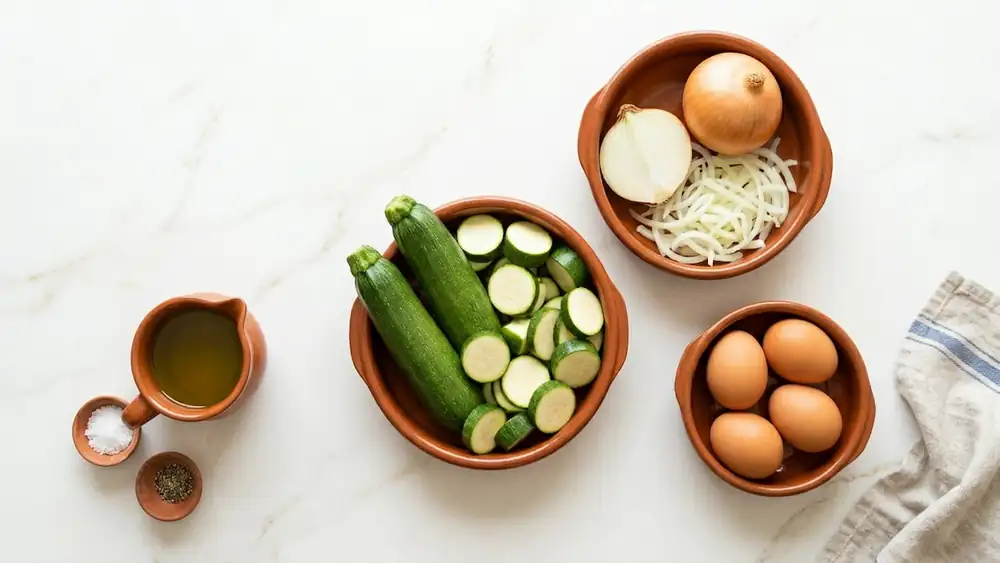
- 2 medium zucchini
- 1 large onion (or 2 spring onions)
- 3 eggs
- Salt to taste
Elaboration
- Wash the zucchini. Peel them (I recommend partially peeling them so that some pieces of skin remain, as this adds more flavor and texture) and cut them into thin slices or half-moons about 2–3 mm thick. Peel the onion and cut it into thin strips.
- Heat a generous amount of olive oil in a large frying pan over medium-low heat. Add the onion with a pinch of salt and cook slowly, stirring occasionally, until translucent and very tender (10–15 minutes).
- Add the zucchini, stir well, and initially increase the heat to medium-high so it releases its water quickly. Once the volume begins to reduce, lower the heat to low. Cook gently, stirring occasionally, until the zucchini is completely tender and almost falling apart: between 25 and 35 minutes. This is the most important step: patience is key to perfecting zarangollo.
- Lightly beat the eggs with a pinch of salt. When the zucchini is cooked through, reduce the heat to low and pour the eggs over the vegetables. Gently stir with a spatula, incorporating the eggs slowly until they are set but still moist. The mixture should not be dry or lumpy.
- Serve hot or warm, with some good slices of bread.
Frequently asked questions about zarangollo
Zarangollo often raises questions for those preparing it for the first time, especially regarding the amount of potato, the doneness of the egg, and how it differs from other similar dishes. The following questions address the most common queries about Murcian zarangollo and its variations.
What is Murcian zarangollo?
Zarangollo is a traditional dish from the Region of Murcia made with zucchini, onion, and egg. It's prepared by gently simmering the vegetables until completely tender, then adding the cooked egg. The result is a dish with a creamy texture, concentrated flavor, and humble origins, deeply rooted in the agricultural culture of Murcia. Murcian zarangollo is one of the region's most beloved tapas dishes.
Does zarangollo contain potatoes?
The original and traditional recipe for zarangollo doesn't include potatoes: only zucchini, onion, and egg. However, there's a very popular version that does include potatoes, sliced or diced, which adds more substance to the dish. Both versions are equally authentic, depending on the region and family traditions. Zarangollo with potatoes is especially common in the inland areas of the region.
How is zarangollo served, hot or cold?
Zarangollo can be served at either temperature. Freshly made, it's served hot or warm, and this is the most common way to serve it at festival stalls. However, many enthusiasts claim that zarangollo is even better the next day, at room temperature or even chilled from the refrigerator: the flavors meld together and the dish gains depth.
What is served with zarangollo?
The classic accompaniment to zarangollo is rustic bread for dipping. In Murcia, it's often served alongside other regional tapas classics: michirones (broad beans), sobrasada (a cured sausage), Murcian salad, or, for dessert, paparajotes (a type of fritter). As for wine, red and rosé wines made from Monastrell grapes from the Jumilla, Bullas, or Yecla DOs (Designations of Origin) are the quintessential regional choice.
How long do you cook the zucchini in zarangollo?
Zucchini needs between 25 and 40 minutes over low heat to reach the perfect consistency for zarangollo. It should be completely tender, with hardly any resistance when bitten, and have lost almost all of its water. This is the most time-consuming and important step: rushing the cooking process is the most common mistake when preparing this dish for the first time.
Where does zarangollo come from?
Zarangollo originated in the Region of Murcia, in southeastern Spain. Its exact origin is not definitively documented, although some theories point to Aragonese influence during the medieval Reconquista and others to Jewish roots. What is documented is its connection to the subsistence cooking of Murcian farmers, who prepared this dish with the most readily available local produce.
Is zarangollo vegetarian?
Yes, zarangollo is a vegetarian dish: it contains neither meat nor fish. However, because it includes egg, the traditional version is not suitable for vegan diets. It's possible to substitute the egg with crumbled tofu or a mixture of chickpea flour and water to achieve a similar texture to curd, although the result will differ considerably from the original.
How long does zarangollo last in the refrigerator?
Zarangollo keeps well in the refrigerator for up to two days, provided the egg is fully cooked. If the egg is undercooked, it's best to eat the zarangollo the same day or within 24 hours. To reheat it, simply place it in a pan over low heat for a couple of minutes; it can also be eaten at room temperature if the egg is cooked through.
What is the difference between zarangollo and pisto murciano?
Zarangollo and Murcian pisto are close cousins of the traditional Murcian cuisine, but they have important differences. Zarangollo essentially consists of zucchini, onion, and egg, with the egg cooked directly on top of the sautéed vegetables. Murcian pisto, on the other hand, also includes tomato and bell pepper, and doesn't usually have egg cooked in it (although it can be served with a fried egg on top). Zarangollo has a creamier, moister texture; pisto is drier and more flavorful due to the higher concentration of tomato.