Homemade strudel dough without tearing? This is how experienced housewives prepare it
A homemade strudel deserves the best possible dough: thin, elastic and strong enough to hold a juicy filling. Although many people today reach for store-bought sheets of dough, homemade puff pastry is still considered the gold standard.
The ingredients are simple:
- 500 grams of plain flour (you can also use special flour for puff pastry) - two tablespoons of oil - two pinches of salt - a cap of vinegar (for greater elasticity) - lukewarm water as needed (approximately 200 - 250 ml)
Sift the flour into a bowl and make a well in the middle, and pour in the oil, vinegar, and water with the salt dissolved in it. It is best to use 200 ml of lukewarm water at the beginning, adding the rest as needed while kneading.
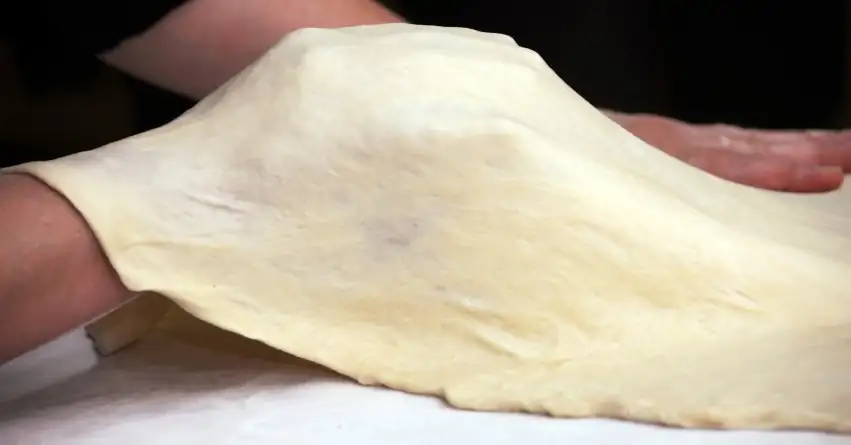
Start mixing the ingredients slowly with your fingers to bring them together. Then knead the dough until it is completely soft, smooth, and elastic and does not stick to your hands. If you are unsure of the correct texture of the dough, you can follow this simple rule of thumb: "it should be as soft as an earlobe." If it is too dry or too hard, add a little more water.
Shape the dough into a loaf and coat it with oil. Cover it with the bowl in which it was kneaded and let it rest at room temperature for one hour.
Prepare a tablecloth on which to roll out the dough and flour it. Flour the rested dough, then roll it out with a rolling pin to the size of a medium-sized pizza, oil it well, and let it rest for another ten minutes to absorb the oil.
You can choose the filling for the strudel yourself. You can use any seasonal fruit and combine it with cottage cheese or ricotta if you wish. You can also add cream and fresh fruit to the strudel or diversify it with nuts and dried fruits. Homemade puff pastry is also suitable for savory strudels with vegetables, spinach or cheese. We offer you some great recipes for you to try at the links below:
Cherry strudel
Roll with blueberries and homemade cottage cheese
Cottage cheese roll with raisins
Roll with vanilla cream and blueberries
A few more key secrets to good puff pastry:
- The dough should be well kneaded – at least 10 minutes by hand or 7 minutes in a food processor. The goal is a smooth, soft, elastic dough that does not stick to your hands. If it is too hard, add a little water; if too soft, add a little flour.
- Lukewarm water is better than cold water – the dough is easier to knead.
- Vinegar improves elasticity.
- Resting is mandatory - let the oiled dough rest at room temperature for at least 30 minutes, preferably an hour. This releases the gluten, the dough becomes more pliable and easier to roll.
- If the dough tears, don't panic – just wrap the edges or cover the tear with filling.
- The filling should be cold and not too wet - excess liquid will make the dough soggy, so it's a good idea to sprinkle the dough with breadcrumbs fried in butter before adding the filling.
- Don't rush - rolling out the dough and preparing a homemade roll takes time and patience.