Traditional Piuran patasca recipe: how to prepare this typical dish step by step
Discover the authentic Piuran patasca: a culinary treasure of northern Peru
In Peru's vast and diverse culinary landscape, patasca piurana stands out as one of the most emblematic and traditional dishes of the northern region. This delicacy, brimming with flavor and tradition, is the culmination of centuries of culinary history, fusing local ingredients with ancestral techniques. If you've ever tasted this delicacy, you know that its comforting flavor and unique texture make it an unforgettable experience. For those who wish to delve into the preparation of this typical dish, here is a detailed, step-by-step guide so you can enjoy authentic patasca at home.
What is patasca piurana and what are its main ingredients?
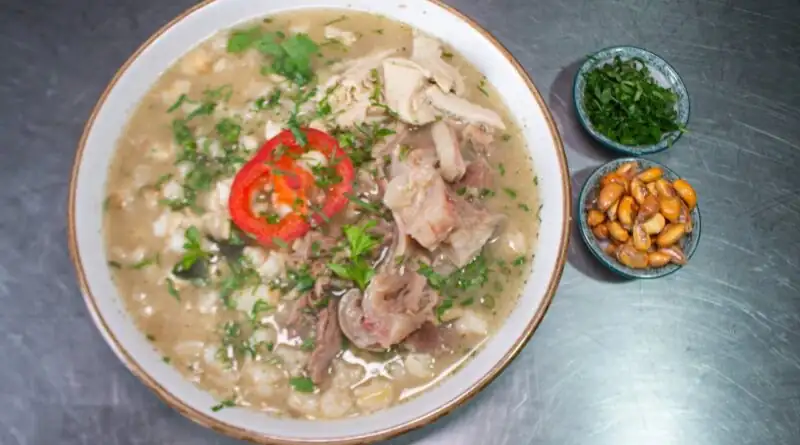
Patasca piurana is a thick soup made primarily with hominy, beef, and a variety of vegetables and spices that give it a distinctive flavor. This dish is traditionally eaten in both rural and urban areas of Piura, especially during festivities and family celebrations. Its creamy texture and rich, homey aroma invite you to share special moments around the table.
The essential ingredients for preparing a typical patasca include:
- Peeled hominy corn: a fundamental base that gives body and texture to the dish.
- Beef: preferably cuts with bone to enhance the flavor of the broth.
- Onion and garlic: for the sofrito that enhances the flavor.
- Yellow chili pepper or panca chili pepper: to add a spicy and colorful touch.
- Aromatic herbs such as cilantro and huacatay, which provide freshness.
- Salt and pepper: essential for proper seasoning.
- Pumpkin or squash: which adds sweetness and smoothness to the broth.
Step-by-step preparation for a traditional Piuran patasca
To begin preparation, the first thing you should do is soak the hulled hominy in water overnight. This makes it easier to cook and improves its texture. The next day, in a large pot, place the hominy with enough water to cook it slowly. It is essential to cook it over medium heat until the kernels are soft, which can take about 2 to 3 hours.
While the corn is cooking, it's time to prepare the broth. In another pot, place the beef with the bone and cover it with water. Add salt and let it boil to create a rich and nutritious broth. It's important to skim off any foam that rises to the surface to obtain a clear and clean broth.
Meanwhile, prepare the typical seasoning or sofrito. To do this, finely chop the onion and garlic, and sauté them in a little oil until translucent. Add the ground yellow chili pepper or panca chili pepper, mixing well to combine the flavors. This seasoning is the base that will give the dish its distinctive character.
Once the corn is almost cooked, add the beef broth and seasoning to the pot with the hominy. Add the peeled and diced squash, which will gently break down, adding texture and sweetness to the dish. Simmer gently, allowing all the ingredients to meld and the flavors to intensify.
Finally, season with salt and pepper to taste. Add the chopped fresh herbs, such as cilantro and huacatay, just before removing the pot from the heat to preserve their aroma and freshness. Let it rest for a few minutes and serve hot, traditionally accompanied by white rice or homemade bread.
Tips for a perfect Piuran patasca
Successfully preparing this dish requires attention to certain details that make all the difference. Here are some helpful tips:
- Patience in cooking: Mote corn needs time to soften properly, so it is essential not to rush this process.
- Using meat with bones: This enriches the broth, giving it a deeper and more distinctive flavor.
- Chili pepper quality: Use fresh, good quality chili peppers for an authentic and balanced flavor.
- Adding herbs: Add them at the end so they retain their aroma and don't become bitter.
- Salt control: Adjust the salt at the end, as the broth and corn already provide flavor.
Traditional variations and accompaniments
In Piura, although the basic recipe remains constant, there are some variations that enrich the culinary experience. For example, in some areas pork or even offal is added to give it a different touch. It is also common to serve it with a portion of ají de gallina or ají criollo for those who enjoy more intense flavors.
As for side dishes, patasca is usually enjoyed with white rice, which balances the richness of the dish. Another popular accompaniment is homemade bread, which allows you to soak up every last drop of broth. In addition, a refreshing drink like chicha morada or a glass of fresh water perfectly complements the meal.
Cultural and social importance of this dish in Piura
Beyond being a delicious dish, this preparation represents a link to Piura's identity and the history of its inhabitants. Patasca is a symbol of the hospitality and warmth that characterize northern Peru. Sharing this soup during religious festivals and family events is a tradition that strengthens community bonds.
Furthermore, preparing this recipe offers an opportunity for new generations to learn and appreciate the culinary traditions of their ancestors. In many homes, its preparation is a ritual that involves the entire family, passing down knowledge and affection through time.
Where to enjoy a good patasca in Piura?
If you visit Piura and want to try an authentic version of this dish, we recommend going to traditional markets and restaurants specializing in northern Peruvian cuisine. Places like the Mercado Modelo or the Catacaos neighborhood offer options where patasca is prepared with care and respect for tradition.
Furthermore, Peruvian cuisine has recently gained international recognition, and patasca piurana is no exception. In modern restaurants and at food festivals, this dish has been reinterpreted while maintaining its essence, allowing diners to discover new ways to enjoy it.
Final thoughts on home cooking
Making this soup at home is a rewarding experience that connects you to Peru's rich cultural heritage. Although the preparation may seem laborious, the result is worth every minute. Enjoying a traditional dish like this, made with fresh ingredients and care, is a way to preserve and celebrate our national culinary heritage.
Furthermore, preparing patasca with family or friends becomes a special moment that fosters togetherness and appreciation for our roots. We invite you to follow this detailed guide and experiment with the ingredients to adapt the dish to your taste, always respecting the essence that makes it unique.