What is circular gastronomy and how does it impact the future of food?
In the culinary world, there are various trends that embrace environmental awareness and conscious eating. Circular gastronomy is one of them, aiming to reduce food waste and maximize resources at every stage of the production and consumption process.
This philosophy is inspired by the circular economy model, which promotes reuse, recycling, and sustainability. In this report, we explore how circular gastronomy is transforming the food industry and how restaurants, chefs, and consumers are adopting innovative practices to reduce their environmental impact.
How does the circular economy apply to gastronomy?
The circular economy in gastronomy seeks to close the product cycle, meaning that food, waste, and resources are not discarded but rather used to their fullest potential. Unlike the traditional linear model, which follows the "take, make, dispose" pattern, circular gastronomy proposes a cycle in which ingredients and materials are reused, recycled, or combined to generate new resources.
This trend is a response to growing concern about food waste, which, according to the FAO (Food and Agriculture Organization of the United Nations), reaches 1.3 billion tons annually worldwide. Circular gastronomy not only seeks to reduce this waste, but also to increase efficiency in the supply chain and promote more responsible production.
Main strategies of circular gastronomy
1. Reusing Ingredients: Reusing ingredients is one of the most common strategies in circular gastronomy. Innovative restaurants are adopting practices such as using vegetable scraps, peels, bones, or stems, which, instead of being discarded, are transformed into new dishes. A clear example is using carrot peels to make chips or using corn husks to make broths.
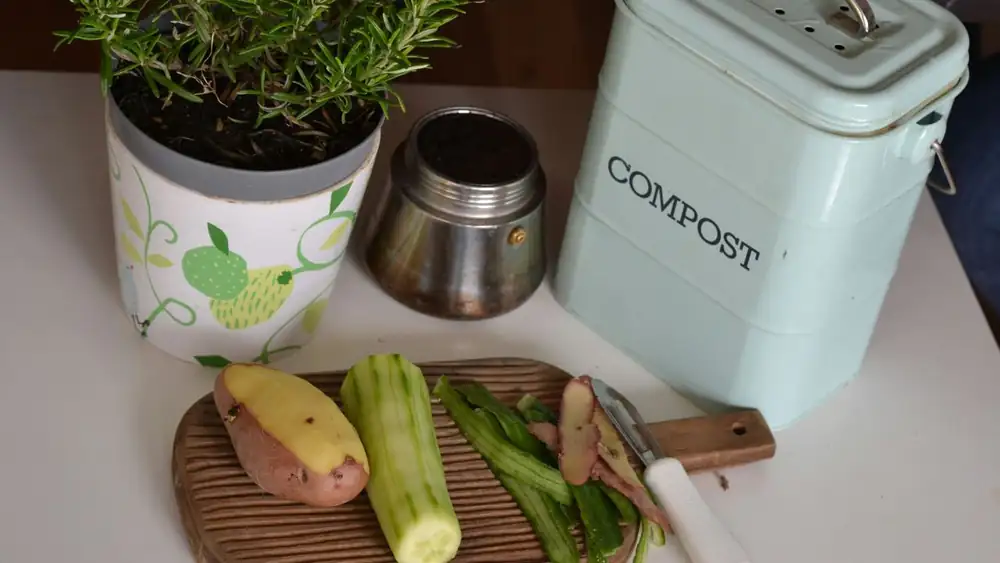
2. Composting and Recycling Organic Waste Organic waste, such as fruit and vegetable scraps or bread, can be turned into compost, which is then used to enrich the soil for crops. This prevents waste from ending up in landfills, where it contributes to greenhouse gas emissions. In addition, some restaurants are implementing recycling systems to convert waste into energy or biofuels.
3. Use of Local and Seasonal Products Circular gastronomy also prioritizes local and seasonal products, which require fewer resources for transportation and storage. This approach promotes biodiversity, reduces the carbon footprint, and supports local farmers. Being more sustainable, seasonal ingredients are also fresher and tastier.
4. Waste Reduction In addition to reusing food, chefs are innovating to reduce waste in food preparation. This includes cooking techniques such as fermentation, dehydration, and preservation, which extend the shelf life of food.
5. Education and Awareness A key aspect of circular gastronomy is educating consumers on how they can reduce their environmental footprint through their food choices. Restaurants and chefs are working to raise awareness about the importance of a more sustainable diet, promoting dishes made with ingredients that have a lower environmental impact and encouraging responsible purchasing.
Circular gastronomy is more than just a trend; it's a necessity in a world where natural resources are rapidly dwindling. Adopting circular practices can be an effective way to reduce food waste, protect the environment, and improve supply chain efficiency.
FAO (Food and Agriculture Organization of the United Nations): “Food waste at a global level.”