Why did people kiss bread before eating it or throwing it away?
Bread is one of the oldest foods in human history: studies initially linked its emergence to the development of agriculture, but recent archaeological discoveries demonstrate that its origins date back over 14,500 years.
Bread: much more than just food
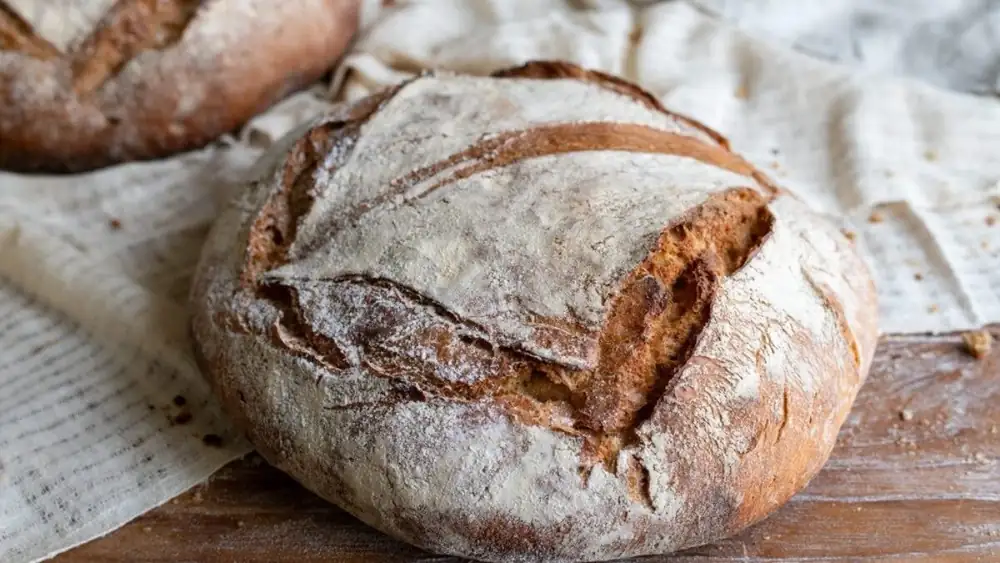
Many popular beliefs surrounding the use of bread, from its making to its serving, are tied to the religious symbolism of this food, which, particularly in Christianity, represents the body of Christ in the Eucharist; just as in the Lord's Prayer, we ask God to give us "our daily bread." Bread unites the sacred and, at the same time, represents the right of people to eat in a dignified manner: many loaves of bread are marked with a cross before being baked, an incision that has technical significance on the one hand (to improve leavening) and on the other carries meanings of protection and blessing. In short, wasting bread was not an option; in fact, it was considered a real sin, so much so that numerous recycling recipes come from farmers who found ways to use even old, dry bread, including soups and rustic pies. Not to mention that making bread themselves or buying it required labor and effort.
Kissing the bread: when and why it was done
However, it could happen that the bread had to be thrown away, and this is where the kiss came into play: before being thrown away, the loaves of bread were kissed as a sign of respect, to alleviate the sense of guilt of committing a wrong act towards God. Especially in the regions of southern Italy, between Campania, Basilicata, Calabria, and Sicily, however, a kiss was also given when a loaf or a piece accidentally fell to the ground: the bread was still considered edible, but somehow "desecrated." Thus, before eating it, it was kissed (often by women or children), always to apologize for the offense caused, in a sort of "ritual" of purification.