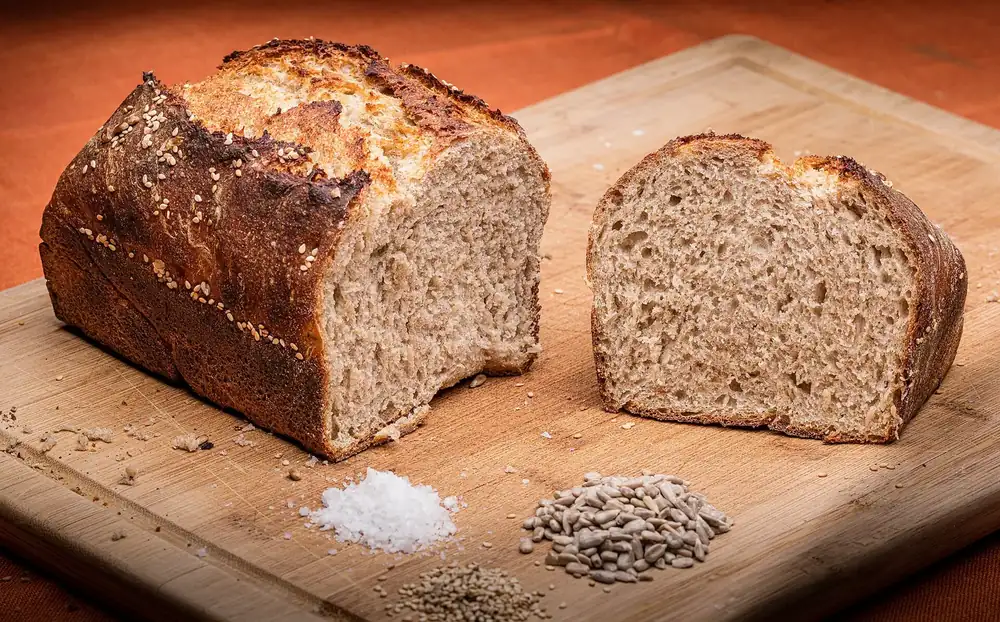
Doctors differentiate between white flour and whole grains
Modern medical recommendations do not equate giving up white flour with eating whole grains, although the latter are often excluded in low-carb diets. Completely eliminating them from the menu does not automatically guarantee greater health benefits.
Eric Berg, a popular proponent of the keto diet, claims that cutting out grains for a period of time can reduce bloating and stabilize blood sugar levels. It’s important to note, however, that according to his bio, he’s a doctor of chiropractic, not a medical doctor. Current guidelines make a clear distinction between highly processed refined white flour and whole grains. The American Heart Association advises people to choose oats, brown rice, whole-wheat pasta, and whole-grain bread over those that have undergone heavy processing.
The fundamental difference between the two types of products lies in the structure of the grain itself. In the whole grain version, the bran, germ and endosperm are preserved, while the refining process removes the layers rich in minerals, vitamins and fiber. It is often claimed that after such processing, only gluten remains in the grain, but this is not true – white flour consists mainly of starch and proteins, which include gluten. It is the loss of fiber and nutrients that makes whole grain versions have a different nutritional profile. in the media. BG: The number of patients with gluten intolerance is growing, explains Burgas allergist
The gluten problem isn't universal for everyone. The National Institute of Diabetes and Digestive and Kidney Diseases says that in people with celiac disease, gluten actually damages the small intestine, which can cause symptoms like gas, diarrhea, constipation, abdominal pain, or bloating. For people who don't have a diagnosis of celiac disease or another specific sensitivity, there's no reason to automatically assume that gluten causes inflammation. The Harvard School of Public Health notes that research doesn't find evidence that long-term gluten consumption alone increases the risk of heart disease in people without celiac disease.
Cutting out cookies, white bread, pastries, and other refined foods can actually help you cut down on calories, added sugar, and fast-digesting carbohydrates. This can have a positive impact on weight, feelings of fullness, and blood sugar swings for some people, especially if these foods are replaced with protein, vegetables, legumes, and higher-fiber foods. It’s important to understand that the benefits are due to the overall diet change, not necessarily the elimination of each grain. Brown rice, oats, and whole-grain breads are digested more slowly and provide more fiber than refined grains. in the media. BG: How to lower high cholesterol with diet and exercise
Similar logic applies to heart health. According to the current 2026 American Heart Association guidelines, whole grains are among the main elements of a heart-healthy diet, while limiting refined grains is advised. The fiber present in whole grains aids in digestion, feeling full, and controlling cholesterol. Therefore, the claim that eliminating grains completely improves heart health is inconsistent with current guidelines.
There is also no reliable evidence to suggest that eliminating grains alone prevents nighttime hunger or reduces premenstrual cramps. Factors such as sleep, eating habits, food composition, and overall energy intake all contribute to cravings and frequent snacking. While higher fiber and protein intake may help you feel fuller for longer, this does not automatically mean eliminating brown rice, oats, or other whole grains. The same goes for constipation—for some people, limiting fiber-rich whole grains can have the opposite effect. in the media. BG: What happens to your body if you eat oatmeal every day
It is more practical to distinguish between whole grain foods and highly processed pastas. While oats, bulgur, and brown rice have a completely different nutritional profile, cookies, donuts, snacks, and white flour products often contain fat, salt, and added sugar. If you have a confirmed diagnosis of celiac disease, a gluten-free diet is mandatory, but if you don't have a diagnosis, cutting out gluten has no proven universal benefit. For most people, a more meaningful change is to eat more whole grains, vegetables, fruits, legumes, and other sources of fiber, rather than refined foods.