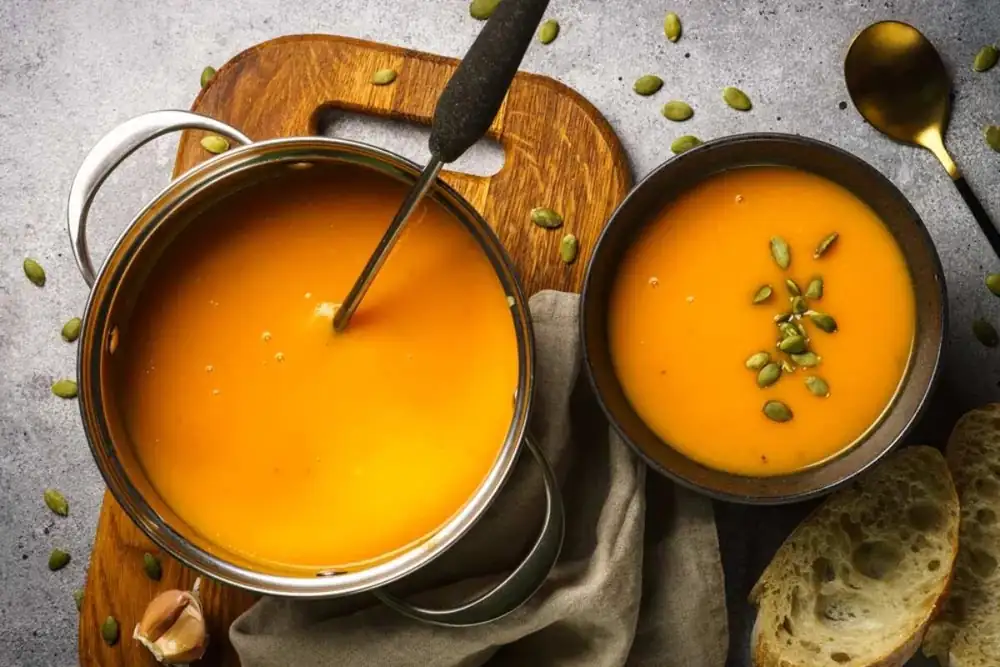
Prepare this pumpkin and chickpea stew: the autumn recipe that's a feast for the eyes
Pumpkin once again reigns supreme in Spanish kitchens as soon as the temperatures drop.
This is a traditional recipe, found in cookbooks all over Spain, from family kitchens to the most popular food blogs. Easy, economical, and with few ingredients, it's perfect for those afternoons when you fancy something homemade without too much fuss.
Why pumpkin triumphs in autumn stews
When October arrives, pumpkin takes center stage on tables and in recipes. Its creamy, slightly sweet flesh perfectly balances the earthy notes of chickpeas and adds that characteristic orange hue of the season.
Besides its flavor, pumpkin stands out for its versatility: it can be pureed to thicken the broth, cooked in chunks to maintain its texture, or even roasted beforehand to intensify its sweetness. Every household has its own trick, and that's part of the charm of this recipe.
The essential ingredients
In any version of this dish, there's a common denominator: pumpkin and chickpeas, almost always accompanied by onion, garlic, and a spice that makes all the difference: paprika. This spice, made from dried and ground red peppers, is one of the most widely used seasonings in Spanish cuisine and lends that warm, recognizable aroma to hearty stews.
Many recipes also add carrots, potatoes, or even a touch of cumin and ginger to round out the flavor. The key is to let everything simmer gently, allowing the flavors to meld slowly, just as veteran cooks recommend.
How to prepare the stew step by step
The process is simple and requires no prior cooking skills. First, sauté the chopped onion and garlic in a saucepan with a drizzle of olive oil until soft and translucent. Then add the diced pumpkin and, if using, the carrot. This slow, gentle cooking process is the foundation of the entire stew's flavor.
Next, add the cooked chickpeas, paprika, and chosen spices, cover with water or broth, and simmer for 15 to 20 minutes, until the squash is tender. The result is a rich, creamy dish with a thick broth perfect for dipping bread.
Tricks to make it look perfect
Experienced cooks agree on several details that make the difference between a decent stew and a truly memorable one. The cooking point of the pumpkin is crucial: if it's overcooked, it falls apart completely; if it's undercooked, it detracts from the overall texture.
Another key aspect is the choice of paprika, as not all varieties contribute the same flavor to a dish. A good paprika completely changes the final result, adding a smoky aroma or a milder touch depending on the variety chosen.
- Use well-drained canned chickpeas to save preparation time.
- Blend part of the stew with a blender if you prefer a creamier texture.
- Add the paprika off the heat to prevent it from burning and becoming bitter.
- Let the stew rest overnight: it gains flavor over time.
Variations you can try at home
This stew lends itself to many variations without losing its essence. Some recipes incorporate spinach or cauliflower to add vegetables, while others use spices like curry or cumin for a more exotic touch. Each family has its own interpretation, and that's part of the beauty of traditional recipes.
There are also variations with meat, such as pork ribs or bacon, for those looking for a more substantial dish. The base of pumpkin and chickpeas always remains, adapting to what's available in the pantry or to each diner's taste.
A dish with a future in Spanish kitchens
Stews made with legumes and seasonal vegetables are enjoying a resurgence in popularity, driven by the growing interest in using up leftovers and traditional dishes. Recipes like this one demonstrate that simple can also be sophisticated, without the need for expensive ingredients or complicated techniques.
Everything suggests that this type of recipe will continue to gain popularity in the coming autumns, especially among those who want to eat well without sacrificing the convenience of weekly packed lunches. A classic comfort food that never goes out of style and promises to keep warming kitchens for many years to come.