Frying in old fat is better than in clean frying oil
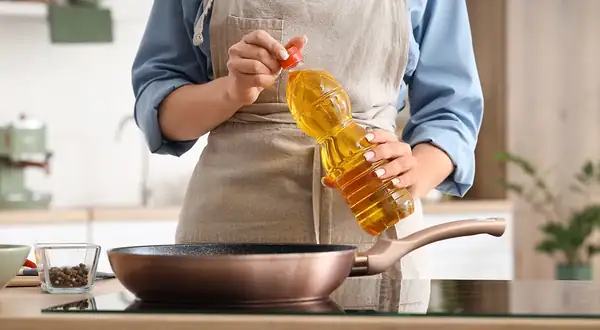
New frying oil automatically feels like the best frying oil.
That sounds like you should mainly keep the deep fryer dirty for as long as possible from now on. Don't do that. There is an important difference between slightly used oil and oil that has actually reached the end of its life.
New oil needs to 'bake in' a little first.
Fresh frying fat consists primarily of fat molecules that naturally mix poorly with the watery surface of, for example, a potato.
During frying, the oil changes slowly. Due to heat, moisture, and oxygen, more and more breakdown products are formed, including polar compounds. As a result, the oil can moisten the surface of the food better, and the way in which heat and fat are transferred changes. Research into used frying oil indeed shows that used oil spreads better over surfaces than completely fresh oil.
In nutritional science, that first stage is also called the break-in phase.
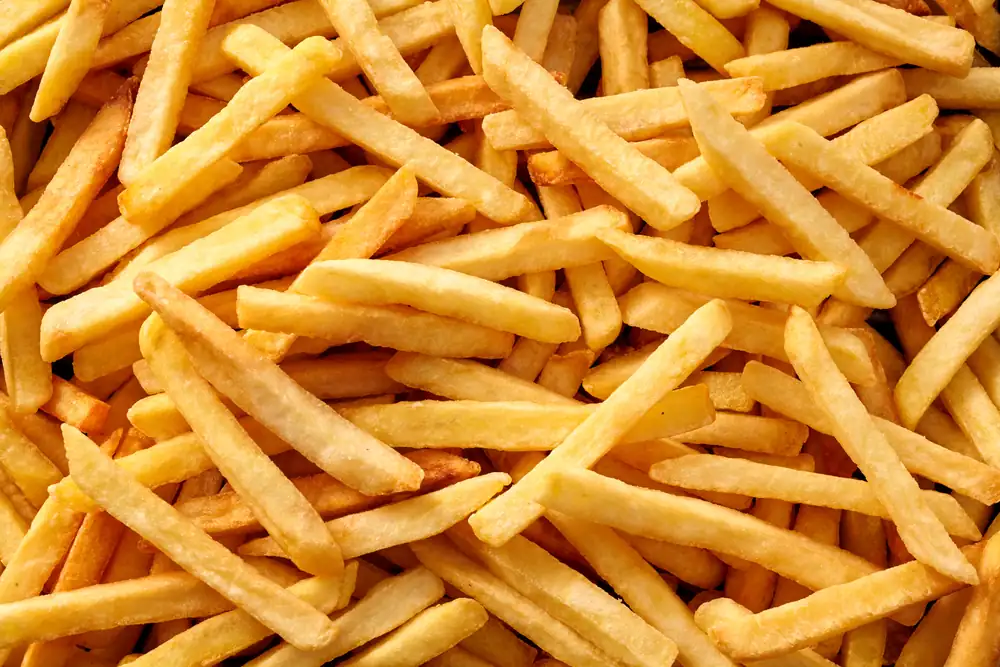
With brand-new oil, fries may therefore initially remain somewhat pale and develop less of that characteristic fried flavor. As the oil is used a few times, it reaches an optimal phase in which food browns more beautifully and the typical fried flavor becomes stronger.
So a little old is better, very old absolutely not.
That is precisely where the catch lies. During every frying session, oil is further broken down by oxidation, hydrolysis, and polymerization. Initially, this can improve frying quality, but eventually, it takes a turn for the worse. The food then becomes too dark, absorbs more fat, and can develop a rancid or bitter taste.
The ideal frying oil therefore lies somewhere between pristine and completely worn out.
That idea was also formerly known among professional bakers. According to the Institute of Food Technologists, some used oil was even occasionally added to a completely fresh fryer to get the new oil to that favorable phase more quickly.
When should frying oil actually be disposed of?
This advice is therefore emphatically not a license to use the same pan of oil for months. If the fat starts to become noticeably dark or viscous, foams heavily, smokes even at a relatively low temperature, or smells musty and rancid, then it is time to discard it. It is also best to filter burnt crumbs and leftovers out of the oil after frying, as they will continue to burn during the next batch.
Well-used frying oil can therefore actually fry wonderfully. But just as with many things in the kitchen, the rule applies: a little older can be interesting, but past the expiration date is another story.