Nutrition after 50: the dietician and the foods to avoid
Nutrition after 50 plays a fundamental role in maintaining a healthy body and preventing age-related disorders. As the years pass, metabolism changes, and it becomes even more important to pay attention to the quality of the foods we eat.
Diet after 50: What Changes?
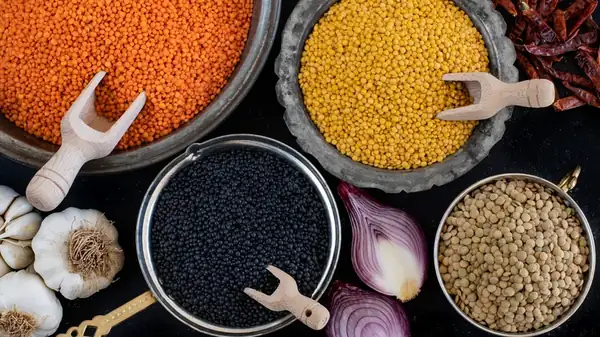
Once you're over 50, it's crucial to take better care of your daily diet. This doesn't necessarily mean eating less, but rather choosing better foods, favoring those rich in nutrients and reducing those that are primarily high in calories with no health benefits. With age, a progressive reduction in muscle mass often occurs, which can lead to a slower metabolism and a greater risk of weight gain. "After 50, it's important to focus on a balanced diet, rich in nutrients and capable of supporting the body over time," explains dietitian Patrizia Gaballo. "It's important to prioritize quality foods, such as vegetables, fruit, adequate proteins, whole grains, and healthy fats, without forgetting the importance of proper hydration and caring for your gut microbiota, which, if balanced, can positively impact your overall health and well-being," she says. A balanced diet after age 50 should include a daily intake of vegetables and fruit, sources of fiber, vitamins, minerals, and antioxidants, and quality proteins, such as fish, especially oily fish, legumes, and white meat. Whole grains and healthy fats, such as those found in extra-virgin olive oil, nuts, and seeds, such as pumpkin or flaxseed, are also important. Hydration is an often overlooked aspect. After age 50, thirst can decrease, which can increase the risk of dehydration. Drinking water regularly is essential for supporting the body's functions and maintaining good physiological balance.
What nutrients are essential in your diet after 50?
"Among the nutrients that should never be missing from your diet after age 50 are those that provide a protective shield for neurons and other cells in the body, such as fruits and vegetables," says dietitian Patrizia Gaballo. "Among the essential nutrients are compounds and vitamins with high antioxidant power that combat oxidative and inflammatory conditions, which over time also damage the health of bones, muscles, and even the cardiovascular system and predispose to various disorders," says dietitian Patrizia Gaballo. "Therefore, it's important to stock up on salads, vegetables, and fruits of every color. Vegetables are also an excellent source of dietary fiber, which facilitates intestinal transit and protects against problems such as high blood sugar, cholesterol, triglycerides, and blood pressure, as well as the onset of many other disorders, from intestinal to metabolic. Anti-inflammatory nutrients, particularly omega-3 fatty acids, vitamin K, selenium, and magnesium, also play key roles in counteracting increased inflammatory and cardiovascular burden."
What foods should you avoid or limit after 50?
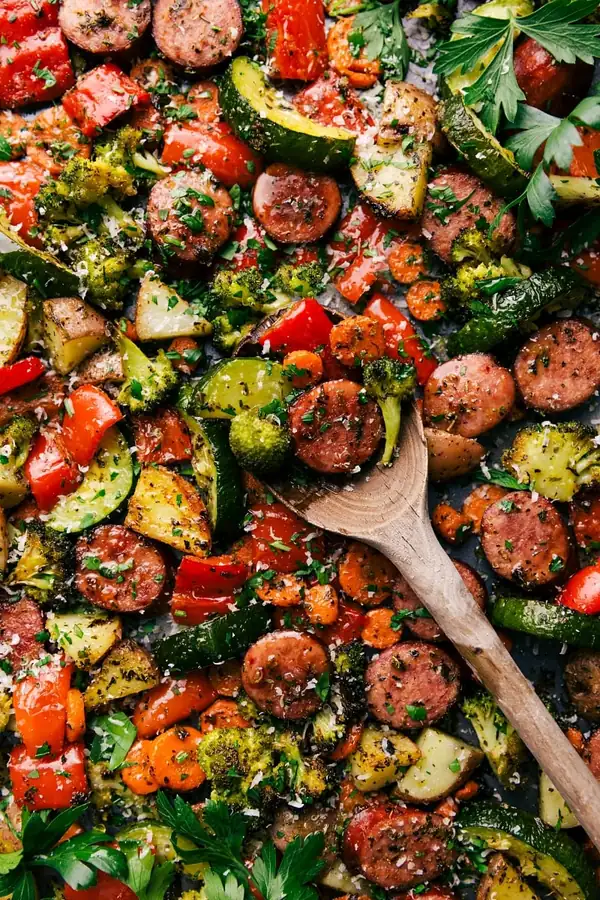
After age 50, it's important to pay more attention to the consumption of certain foods that can increase the risk of metabolic and cardiovascular problems. "Foods to reduce include especially ultra-processed products, such as packaged snacks, snack foods, industrially prepared meals, and some baked goods rich in added sugars, salt, and saturated fats. Even simple sugars should be consumed in moderation. It's not the classic dessert, pizza, or slice of cake eaten once in a while or at a social gathering that causes health problems, but the daily consumption of foods made with refined flours. These foods should be replaced with whole grains or their derivatives, which have a lower glycemic index." An excess of sweets, sugary drinks, and refined products can contribute to blood sugar disturbances, increased triglycerides, and the accumulation of abdominal fat, factors associated with a greater metabolic risk. Foods to limit after age 50 also include cured meats and processed meats. "Frequent consumption can increase sodium and saturated fat intake, which can negatively impact blood pressure and heart health. Excessive consumption of foods high in saturated fat, such as butter, fatty meats, and some high-fat cheeses, should also be limited to promote better cholesterol balance," says dietitian Patrizia Gaballo.
A sample menu for proper nutrition after 50
White kefir, a handful of whole grain breakfast cereal, a peach, a handful of walnuts.
Whole wheat farro salad with chickpeas, cherry tomatoes, and arugula, dressed with extra virgin olive oil.
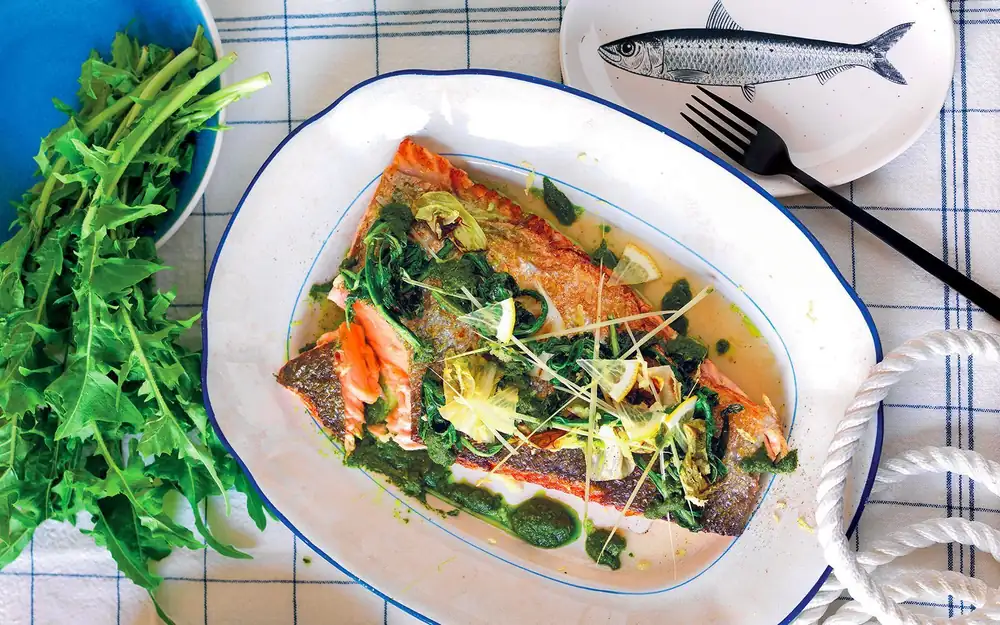
Baked salmon with mixed salad dressed with extra virgin olive oil and chopped yellow melon.
A handful of nuts (almonds or walnuts) and a seasonal fruit (for example two apricots).