9 nutritionist-approved cooking tips to boost nutrients when you cook
Nutritionist and chef Erica Rodriguez explains the easy tweaks you can make to add more nutrients to your dishes You might think you're already cooking healthily, but there are some simple mistakes to avoid and tips to adopt in order to maximise the available nutrients in every meal.
Nutritionist and chef Erica Rodriguez explains the easy tweaks you can make next step you're in the kitchen...
- 1. Change your cooking method
Vitamin C is a highly unstable molecule when exposed to heat and light, and vegetables can lose up to a whopping 70 per cent just by overcooking them – boiling your veg in particular can result in a significant loss. Lightly steaming is the recommended method to retain that all-important vitamin.
- 2. Know your fat-soluble nutrients
Become familiar with fat-soluble nutrients and the foods that contain them and, when preparing these foods, be sure to combine them with a fat source – this allows for enhanced absorption of the nutrients. It can be as simple as adding a drizzle of olive oil, handful of nuts or some avocado to your meal.
- 3. Celebrate herbs
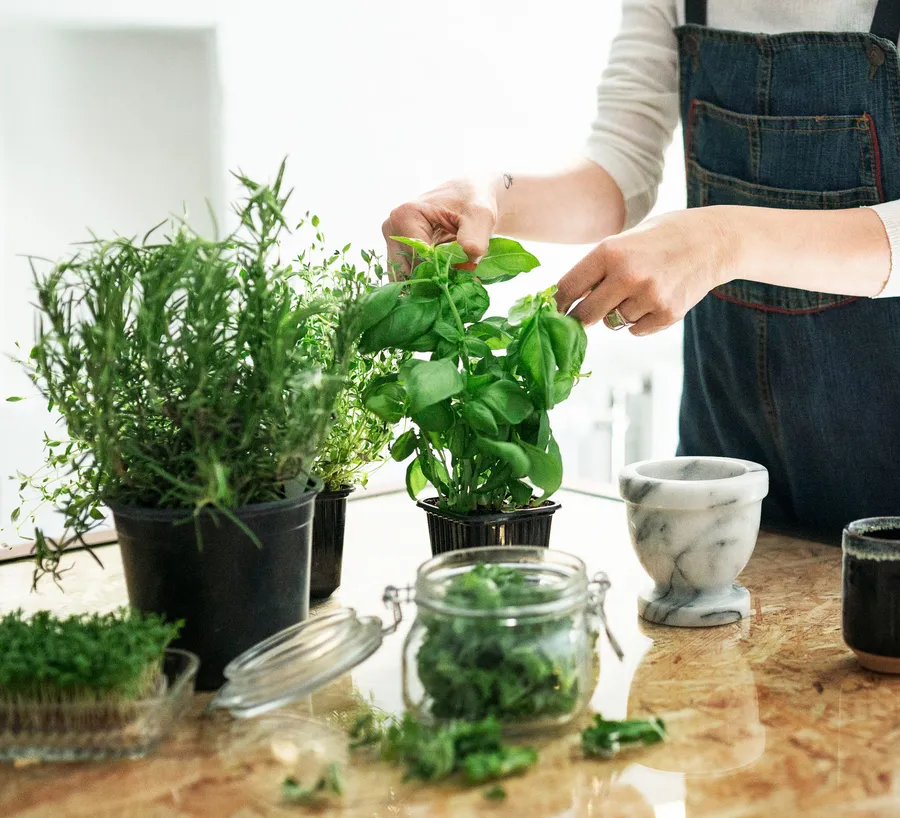
Use them liberally! The everyday herbs we’re familiar with not only add a ton of flavour and freshness to meals, but also contain an abundance of medicinal properties. Fresh parsley is rich in vitamin C and beta-carotene, and can be added to salads, stews, soups and pasta dishes.
I like to add herbs like mint, basil and dill to salad dressings, all of which are a good source of magnesium and vitamin K. Fresh herbs are a powerhouse of nutrition, and there are endless ways to incorporate them into our diet.
- 4. Use citrus zest
Flavonoids are plant chemicals that can be found in a variety of fruits and vegetables – they're in especially high concentrations in the peel of citrus fruits. They serve as potent antioxidants, and help reduce oxidative stress in the body.
We quite often use lemon, orange and lime juice, so why not throw in some zest for an extra nutritional boost? Just be sure to opt for organic, unwaxed citrus fruits.
- 5. Leave the skin on
Most of the fibre and nutrients can be found in the skin of fruits and vegetables, so leaving that peeler in the kitchen drawer can have its benefits. Just give the produce a good rinse and remove any dirt with a vegetable scrubber, then you’re good to go.
- 6. Embrace nuts and seeds
These can be added to a number of meals to increase the mineral, fat and protein content, and they’re great for adding some texture, too. Hemp seeds are a good plant source of omega-3, and can easily be added to porridge and salads or used as a topping for soups. Sunflower and pumpkin seeds are a good source of zinc, and are delicious when lightly toasted.
Next time you roast a pumpkin or butternut squash, throw the seeds in the oven, too. Sesame seeds are rich in both calcium and copper, and taste great when added to stir-fries or salads.
I like to make a seed mix by adding several types to a jar, which I then scatter over my meals. Nigella seeds, otherwise known as black cumin seeds, not only contain antioxidant, anti-inflammatory and antimicrobial properties, they also have an incredible onion-like flavour that works well in curries and dhals.
I also add them to rice when it’s cooking to impart flavour and extra nutritional value.
- 7. Go for raw garlic
There’s no denying that garlic is a complete nutritional powerhouse that provides plenty of health benefits, but when a single clove is crushed and eaten raw, something magical happens. Allicin, the primary active compound in garlic is released, offering up its antioxidant, anti-inflammatory and antibacterial properties. It has been dubbed ‘nature’s antibiotic’, and has been the subject of extensive research into its medicinal uses.
- 8. Slow things down
Eating your meals in a relaxed environment can influence digestion and nutrient absorption. Although this might sound somewhat basic, chewing your food properly can also optimise the bioavailability of the nutrients.
The digestive process begins in the mouth, where the salivary glands release certain enzymes needed to break food down. Salivary amylase breaks down carbohydrates into smaller molecules, and the fats in our food are broken down by salivary lipase. The simple takeaway here is chew, chew and chew some more – food should be unidentifiable before it travels down the digestive tract.
- 9. Try soaking and sprouting
Pre-soaking grains and legumes prior to consumption is something we’ve been doing for centuries as a way to optimise nutrient intake and improve digestibility. Phytic acid is a compound found in grains, legumes, nuts and seeds that can inhibit the absorption of certain nutrients, such as zinc, calcium, iron and B vitamins – it binds to these nutrients, making them unavailable for the body to utilise.
The enzyme phytase is released when these foods are left to soak in water, resulting in more nutrients accessible for absorption into the bloodstream.
More wellbeing guides
Want to see this content? This page contains olivemagazine content provided by Google reCAPTCHA.
We ask for your permission before anything is loaded, as Google reCAPTCHA may use cookies and other technologies. To view this content, choose 'Accept and continue' to allow Google reCAPTCHA and its required purposes.
Change your cooking method
Vitamin C is a highly unstable molecule when exposed to heat and light, and vegetables can lose up to a whopping 70 per cent just by overcooking them – boiling your veg in particular can result in a sizeable shortfall. Lightly steaming is the recommended method to retain that all-important vitamin.
Know your fat-soluble nutrients
Become familiar with fat-soluble nutrients and the foods that contain them and, when preparing these foods, be sure to combine them with a fat source – this allows for enhanced absorption of the nutrients. It can be as simple as adding a drizzle of olive oil, handful of nuts or some avocado to your meal.
Celebrate herbs
Use them liberally! The everyday herbs we’re familiar with not only add a ton of savour and freshness to meals, but in addition contain an abundance of medicinal properties. Fresh parsley is rich in vitamin C and beta-carotene, and can be added to salads, stews, soups and pasta dishes. I like to add herbs like mint, basil and dill to salad dressings, all of which are a good source of magnesium and vitamin K. Fresh herbs are a powerhouse of nutrition, and there are endless ways to incorporate them into our diet.
Use citrus zest
Flavonoids are plant chemicals that can be found in a variety of fruits and vegetables – they're in especially high concentrations in the peel of citrus fruits. They serve as potent antioxidants, and help reduce oxidative stress in the body. We quite often use lemon, orange and lime juice, so why not throw in some zest for an extra nutritional boost? Just be sure to opt for organic, unwaxed citrus fruits.
Leave the skin on
Most of the fibre and nutrients can be found in the skin of fruits and vegetables, so leaving that peeler in the kitchen drawer can have its benefits. Just give the produce a good rinse and remove any dirt with a vegetable scrubber, then you’re good to go.
Embrace nuts and seeds
These can be added to a number of meals to gain the mineral, fat and protein content, and they’re great for adding some texture, too. Hemp seeds are a good plant source of omega-3, and can easily be added to porridge and salads or used as a topping for soups. Sunflower and pumpkin seeds are a good source of zinc, and are delicious when lightly toasted. Next time you roast a pumpkin or butternut squash, throw the seeds in the oven, too. Sesame seeds are rich in both calcium and copper, and taste great when added to stir-fries or salads. I like to make a seed mix by adding several types to a jar, which I then scatter over my meals. Nigella seeds, otherwise known as black cumin seeds, not only contain antioxidant, anti-inflammatory and antimicrobial properties, they also have an incredible onion-like taste that works well in curries and dhals. I also add them to rice when it’s cooking
Go for raw garlic
There’s no denying that garlic is a complete nutritional powerhouse that provides plenty of health benefits, but when a single clove is crushed and eaten raw, something magical happens. Allicin, the primary active compound in garlic is released, offering up its antioxidant, anti-inflammatory and antibacterial properties. It has been dubbed ‘nature’s antibiotic’, and has been the subject of extensive work into its medicinal uses.
Slow things down
Eating your meals in a relaxed environment can influence digestion and nutrient absorption. Although this might sound somewhat basic, chewing your food properly can as well optimise the bioavailability of the nutrients. The digestive process begins in the mouth, where the salivary glands release certain enzymes needed to break food down. Salivary amylase breaks down carbohydrates into smaller molecules, and the fats in our food are broken down by salivary lipase. The simple takeaway here is chew, chew and chew some more – food should be unidentifiable before it travels down the digestive tract.
Try soaking and sprouting
Pre-soaking grains and legumes prior to consumption is something we’ve been doing for centuries as a way to optimise nutrient intake and improve digestibility. Phytic acid is a compound found in grains, legumes, nuts and seeds that can inhibit the absorption of certain nutrients, such as zinc, calcium, iron and B vitamins – it binds to these nutrients, making them unavailable for the body to utilise. The enzyme phytase is released when these foods are left to soak in water, resulting in more nutrients accessible for absorption into the bloodstream.