This mistake with the paper for your shortcrust or puff pastry ruins the crispness of your quiches
After making so many quick tarts and weeknight quiches, one question keeps popping up: should we keep using that darn baking paper? It seems like it doesn't make a difference… until the day the pastry sticks, softens, or shrinks. And then we realize that this detail can really make all the difference.
Keep the paper, yes… but not for all cooking.
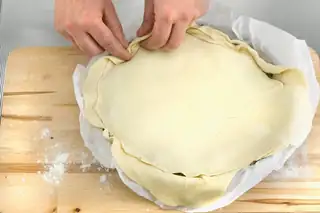
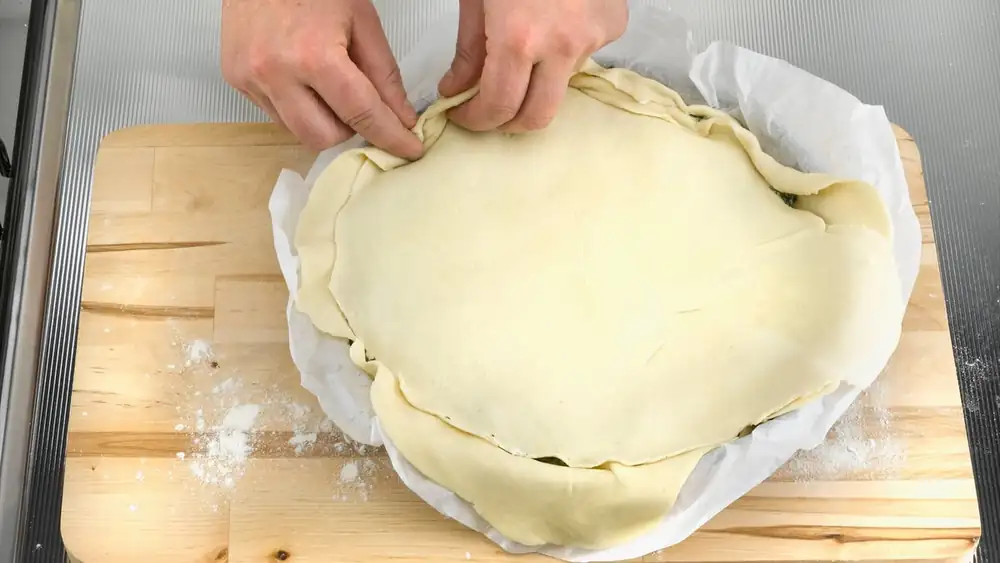
The paper provided with commercially prepared doughs like puff pastry is designed to withstand heat and prevent the dough from sticking to the pan. For a classic tart or quiche, it works very well. The paper creates a slight barrier that limits moisture in the pan and helps the dough maintain a consistent shape. It also eliminates the stress of unmolding, especially if the pan is already well-used.
But let's be honest: this parchment paper isn't magic. It doesn't solve the problem of a soggy base, which usually comes from fillings that are too runny or improper baking. And if you want a really crispy crust, especially on the bottom, the paper can actually be a hindrance because it prevents direct contact with the hot metal. The solution is simple: remove the paper and press the dough directly into the buttered pan.
Cases where it's best to remove it
There are times when discarding the parchment paper is clearly the best option. For example, when blind baking: without paper, the pastry heats up faster and browns better. If you're making a juicy fruit tart like one with plums or tomatoes, or a very rich cream-based quiche, removing the paper improves heat distribution and results in a crisp base, without that soggy texture that ruins everything.
Another often overlooked point: some baking pans, especially dark metal ones, are designed to sear the dough. With parchment paper, they can't do this. So, if you want precise baking, or even a light crispness, remove the parchment paper and adjust the amount of grease in the pan accordingly. Nothing complicated, but it makes all the difference.
My tip to prevent the dough from sticking
When I want to be sure the dough doesn't stick to the pan, I use a very simple but incredibly effective method: I lightly heat the pan in the oven, just for two minutes, then I lightly butter it while it's still warm. The heat melts the butter into a perfectly smooth film, much more even than when you butter a cold pan. The dough adheres just enough not to slip, but it doesn't stick at the end of baking.
If I'm working on a baking sheet, the principle is the same: a very thin coat of oil applied with a brush, spread onto the still barely warm sheet, then direct baking. It's simple, it doesn't flavor the dough, and it works every time.