Moths in the pantry: how to eliminate them permanently and prevent their return
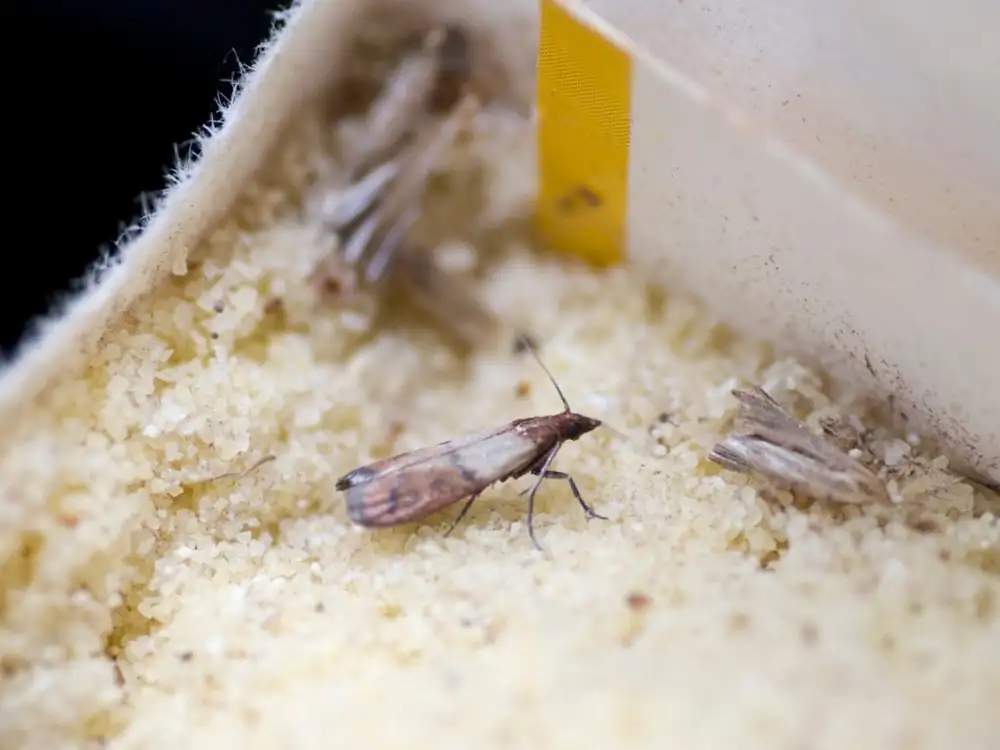
You may have left a package of pasta, rice, or flour open in the pantry and found it infested with small flying insects that can become a real nightmare. Flour moths, scientifically known as Plodia interpunctella (commonly known as the banded grain moth), are lepidopteran insects belonging to the Pyralidae family.
How do moths form in food? They often arrive from the supermarket, already present as eggs or larvae inside the packages you bring home. The infestation starts with purchased dry goods, and the initial load is almost always a single package of flour, pasta, rice, or dried fruit. The moth's egg, less than half a millimeter long, is practically invisible inside the packaging. Contamination often occurs in warehouses or during storage at points of sale, where the insects lay their eggs on the folds of the packaging.
This is why the presence of moths in food doesn't necessarily indicate neglect in the home: it simply indicates that a contaminated package has passed inspection along the supply chain. The problem is amplified at home: moths love humid environments exposed to heat sources, such as kitchens. Once you notice their appearance, it's crucial to intervene immediately: they're not toxic and aren't harmful if accidentally ingested, but it's still an unpleasant phenomenon. Here's a complete guide to eliminating moths in the pantry, from thorough cleaning to the use of special traps, to the best methods to prevent their appearance.
1. Discard contaminated food
The very first step is to inspect the contaminated food and remove anything that is obviously damaged. Start by throwing away open packages: discard pasta, rice, flour, cereals, and legumes if the packaging is open or damaged. Carefully inspect each package for adult insects or white larvae (which look like tiny worms) and for any silken webs that have formed, all clear signs of an infestation. If you find nothing in any opened foods, it's prudent to dispose of them anyway, as they may contain eggs, invisible to the naked eye. Also check closed packages, especially cardboard ones, because larvae easily pierce them and slip through cracks, so even seemingly healthy packages could be contaminated. In addition to flour, pasta, rice, biscuits, and cereals, also inspect teas and herbal teas, chamomile tea, and infusions, which are often overlooked but are beloved by larvae. Once you have removed all the contaminated packaging, place everything infested in a closed bag and immediately take it outside the house to prevent the larvae from escaping from the garbage can.
2. Empty and thoroughly clean the pantry
The second step to getting rid of moths is a thorough cleaning of the pantry. Moths and their larvae tend to hide in cracks, corners, and hard-to-reach spaces, so it's essential to completely empty the pantry. Once all containers and packaging have been removed, use a vacuum cleaner to remove any crumbs, food debris, and any hidden eggs or larvae. Then, wash all surfaces with a solution of water and vinegar, as vinegar is an excellent natural degreaser and deodorizer that helps eliminate odors and deter insects with its acidic taste. Before putting food back in the pantry, let it air dry or dry completely with a cloth.
3. Use natural remedies or special traps
What should you do if, despite cleaning, there are still moths circling around your pantry? One effective method is using special moth traps, specifically designed for the number of adult insects, but not for larvae and eggs. These traps are available in many supermarkets or home improvement stores and capture males by luring them to a sticky surface through the release of pheromones. This prevents mating and limits their proliferation. They are easy to use and harmless to humans (they contain no chemicals). They are usually changed every 3-6 weeks, but obviously, the frequency depends on how many moths are trapped.
Furthermore, much like mosquitoes, moths can't tolerate certain odors. Essential oils, such as lavender, eucalyptus, or peppermint, act as natural repellents for many insects, including moths. How to use them? You can soak a cloth in a few drops of essential oil and place it in the pantry or near dried foods. The scent will keep pests at bay. Alternatively, make a spray in a vaporizer by mixing water and a few drops of essential oil. Spray the solution on pantry shelves and in areas at risk of infestation, avoiding direct contact with food. They won't eliminate existing moths, but they certainly limit their arrival and can keep them away.
4. Store food safely
To try to prevent moths from appearing, the best thing to do is transfer flour, rice, pasta, legumes, and grains to airtight glass or rigid plastic containers. Moths can't penetrate glass or hard plastic, and even if they were to form inside these containers, the infestation would be limited to that container and wouldn't spread throughout the pantry. Another thing you can do is preventative freezing: leave foods like flour or rice in the freezer for about 48-72 hours, sealed in airtight jars or zip-lock bags to prevent moisture from entering. This is a useful method for killing any invisible eggs or larvae already present inside the product, but be careful when freezing: when you take the flour out of the freezer, let it acclimatize or use it directly, but keep the container closed until it reaches room temperature to prevent condensation from forming.
5. Prevent new infestations
Finally, to avoid the problem, the best thing to do is prevent new infestations. In addition to never leaving open packages exposed to air, always keep your pantry cool, dry, and well-ventilated, as heat and humidity encourage the eggs to hatch. Clean it regularly, and if you notice any suspicious larvae or webs, intervene immediately before the infestation worsens. Use vinegar or essential oils, which are particularly effective at repelling moths, to clean, and stock your pantry with natural products that do the same: for example, bay leaves can help keep insects away from your pantry thanks to their repellent properties.