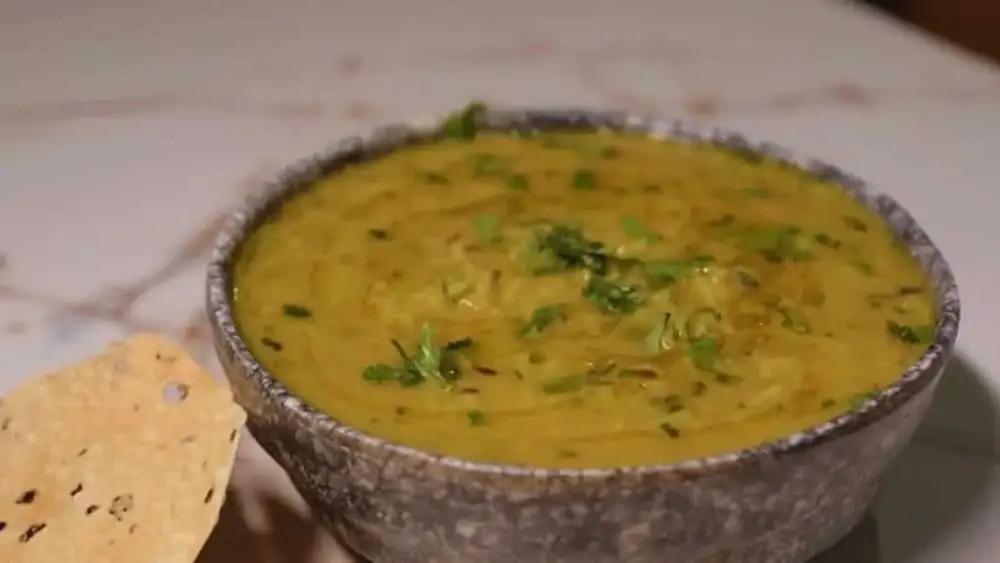
What Is Maheri? Exploring A Traditional Bundelkhandi Grain Dish
Maheri is the kind of dish that can be misinterpreted as khichdi at first glance, but its distinct character comes from one ingredient that changes the entire preparation: fresh buttermilk or, as regionally called, 'matha'.
What makes Maheri especially interesting is that its simplicity showcases the simple food culture of Bundelkhand. Coarse grains that were easily available in local kitchens could be turned into a soft, filling dish. The recipe could also vary with the grain at hand, which is why versions made with jowar, bajra, broken wheat or rice are found in many regional traditions. Rather than being a dish that has one rigid recipe, Maheri is better known as a style of home cooking that is shaped by the ingredients easily available.
What Is Maheri Made Of?
The grain forms the base of Maheri, whereas matha gives it the light sour flavour that sets it apart from other grain-based dishes. A traditional preparation uses jowar daliya with about three glasses of matha and salt, resulting in a soft, slightly coarse texture once it is cooked. Depending on the household, broken bajra, rice, wheat or other millets are also used in place of jowar. A small amount of ghee is generally used for the tempering, with cumin and hing adding warmth and turmeric, ginger and green chilli added when a more prominent savoury flavour is desired.
The grain choice also changes the personality of Maheri. Jowar gives it a bit of an earthy, coarse bite, whereas using broken rice makes the preparation softer and lighter. Bajra and other millets add their own deep grain flavour, making the version feel more rustic. The texture can also be adjusted as per preference; if someone likes it thick, it can have a spoonable texture, while if preferred a bit loose, it can be made closer to a savoury porridge. This flexibility is one reason Maheri has remained a household preparation rather than just being a recipe that has one fixed formula.
When Is Maheri Eaten?
Maheri is traditionally eaten as a breakfast or early meal, especially in households where the first meal of the day had to be filled without being too complicated. The grain makes it more filling and wholesome, while matha gives it a lighter, mildly sour essence. It can be served on its own or alongside a small amount of pickle, chutney or another savoury complement. It is especially used by farmers who need energy and a more nourishing meal before they head to work in the fields, as they need energy as well as nourishment.
Its connection with the seasons comes especially from the grains used rather than from a special festival. Jowar and bajra are closely knitted with the kharif crop cycle, and these hardy grains have long been fitted to regions where farming depends heavily on rainfall.
Using such easily available grains in maheri keeps the dish simple, while the addition of buttermilk makes it perfect to have on hot summer days, as it keeps the stomach cool.
Why Maheri Works As A Complete Meal
The grain jowar or bajra used gives it the body and texture. The use of matha is particularly important to note here. It is not just added for the flavour; instead, it gives maheri its distinctly tangy taste profile and separates it from other dishes like daliya or khichdi.
Adding a little ghee gives maheri richness, and the tempering made of cumin, hing, ginger or green chilli elevates its taste profile. It is this combination of grain, buttermilk and simple tempering that provides maheri its unique originality and separates it from being another porridge-like preparation.
Bundelkhandi Maheri Recipe
Ingredients
- 1 cup jowar daliya or coarse millet
- 3 cups fresh buttermilk or matha
- 2 cups water
- 1 tbsp ghee
- 1 tsp cumin seeds
- 1 pinch hing
- ½ tsp turmeric powder
- Salt, to taste
- 1 green chilli, finely chopped, optional
- 1 tsp grated ginger, optional
- Fresh coriander, for garnish
Method
- Rinse the jowar daliya thoroughly and soak it for about 20–30 minutes. Whisk the buttermilk nicely to get a smooth and lump-free texture.
- In a pan, heat ghee and add cumin and hing to it. Let them crackle and then add ginger, green chilli and turmeric to it.
- Add the soaked jowar dal to this along with water and cook on a low-medium flame until the grain turns soft and turns thick.
- Lower the flame and slowly add the buttermilk to this. Keep stirring until it comes to a gentle boil so that the buttermilk blends into the grain and does not separate.
- Add salt and let it simmer for another 5–7 minutes until the maheri gets a loose, creamy consistency. Garnish with fresh chopped coriander and serve hot with pickle or chutney.