A few ingredients for an unmissable first course: the recipe and secrets of orecchiette with broccoli
Orecchiette with broccoli
- 400 g orecchiette pasta
- 500 g Broccoli
- 2 cloves garlic
- 1 chili pepper (optional)
- 4 tablespoons extra virgin olive oil
- Sale q.b.
- Grated Pecorino cheese (optional) to taste
- Clean the broccoli. Remove the toughest parts of the stem and keep only the florets and tender leaves. Rinse thoroughly under cold running water.
- Boil the broccoli. Bring a large pot of salted water to a boil—you'll also need it to cook the orecchiette. Add the broccoli and cook for about 5-7 minutes, until tender but not mushy. Remove with a slotted spoon and set aside, reserving the cooking water in the pot.
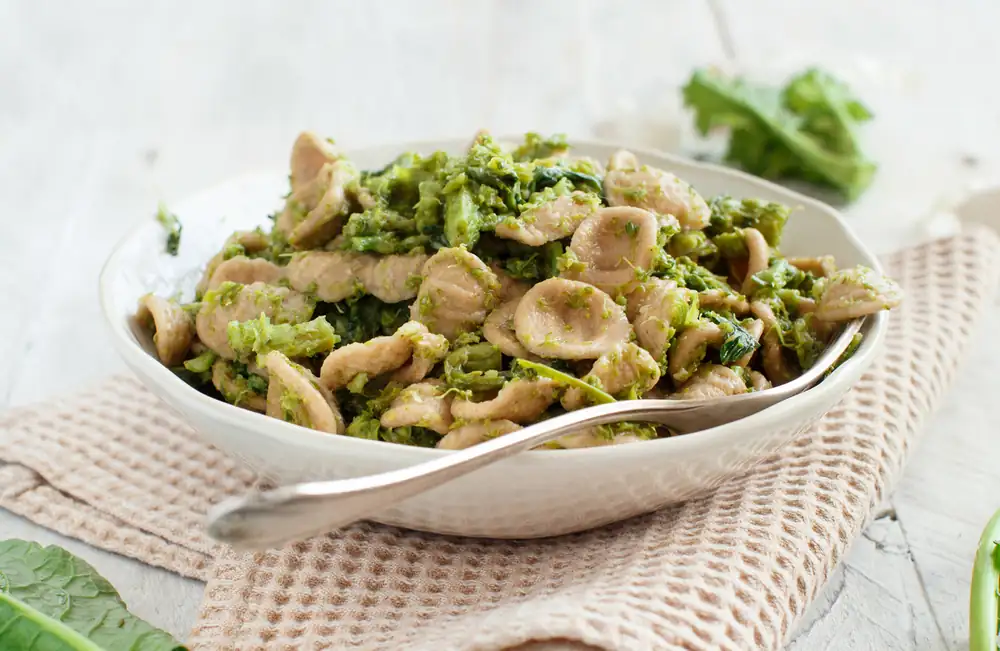
- Cook the orecchiette and prepare the sauce. In the same water used to cook the broccoli, boil the orecchiette according to the instructions on the package. Meanwhile, in a large skillet, heat 4 tablespoons of extra virgin olive oil over medium heat. Add the crushed or sliced garlic and chili pepper, if desired, and sauté until the garlic is golden and the oil is fragrant. Add the cooked broccoli and cook for a few minutes, mashing it lightly with the back of a spoon to create a rustic sauce that will spread over the pasta.
- Toss the pasta and serve. Drain the orecchiette al dente directly into the pan with the broccoli, reserving a ladle of the cooking water. Sauté everything together over high heat for a couple of minutes, stirring constantly, adding a few tablespoons of the cooking water if necessary to keep the sauce moist and creamy. Season with salt and serve immediately, with a sprinkling of grated pecorino cheese, if desired, and a drizzle of extra virgin olive oil.
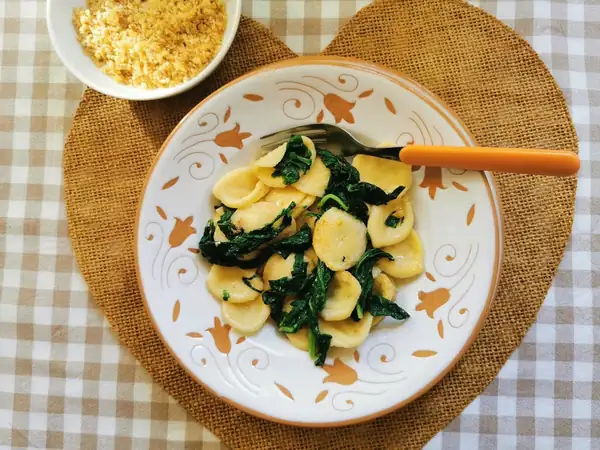
- For a more intensely flavorful and distinctly Apulian version, try orecchiette with broccoli, anchovies, and toasted breadcrumbs. Add 4-5 anchovy fillets in oil to the pan, along with the garlic and chili pepper. As they melt in the hot oil, they'll release all their umami flavor, creating a deep, marine flavor that beautifully enhances the bitterness of the broccoli. The anchovies won't be a distinct ingredient, but they will lend the sauce a complexity difficult to achieve otherwise. Instead of or in addition to the pecorino, finish the dish with a generous spoonful of toasted breadcrumbs—called "muddica" in Apulian dialect, the so-called "poor man's parmesan": brown some grated stale bread in a pan with extra virgin olive oil and a clove of garlic, stirring until crispy and golden. Distribute it on freshly plated plates for a contrasting crunch that pairs beautifully with the softness of the broccoli and the chewiness of the orecchiette. This version is the most faithful to the Apulian peasant tradition, and is the one historically prepared in families where cheese was a luxury. The technique and cooking times remain unchanged.
A genuine dish that showcases the flavors of Puglia: here's how to make orecchiette with broccoli in just a few steps, a vegetarian first course that's sure to win you over at first bite.
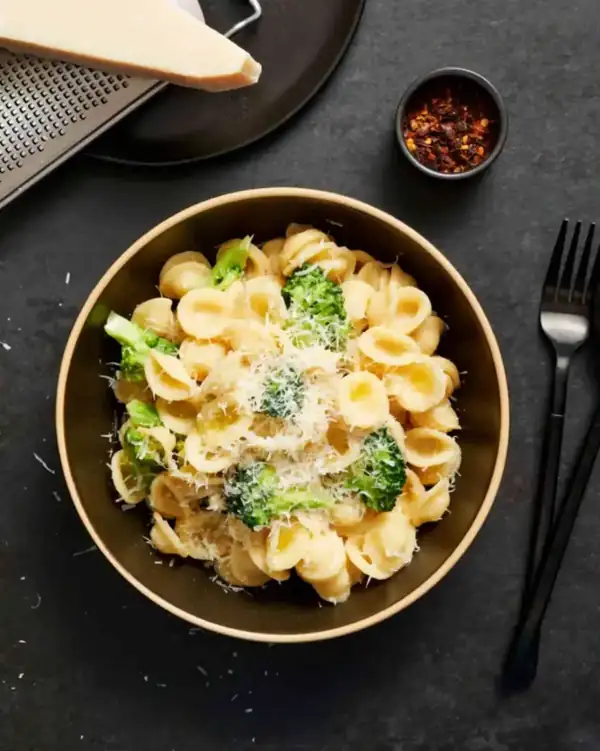
Orecchiette with broccoli is one of the most iconic and beloved dishes of Apulian cuisine: a supremely simple first course, where a few quality ingredients complement each other to create something extraordinarily delicious. Orecchiette—fresh handmade pasta with a concave shape that perfectly holds the sauce in every curve—is paired with boiled broccoli, then sautéed with garlic, extra virgin olive oil, and a pinch of chili pepper, for a first course that exudes seasonal flavor, the Apulian soil, and authentic cuisine.
The secret to this dish—like all great dishes of Italian peasant cuisine—lies in the quality of the ingredients and the technique: the broccoli must be fresh and seasonal, the orecchiette preferably homemade or of good artisanal quality, and the extra virgin olive oil must be top-quality because it's practically the only seasoning in the dish. Cooking the broccoli in the same water used to boil the orecchiette is a crucial step: the water absorbs the vegetable's flavor and cooks the pasta in a light broth that intensifies the final seasoning. Lightly mashing the broccoli in the pan with the back of a spoon creates a sort of rustic sauce that spreads perfectly over the orecchiette during the final sauté.
Perfect for a casual lunch or dinner, but also for a regional Apulian cuisine menu on more special occasions, orecchiette with broccoli pairs beautifully with a Vermentino, Greco di Tufo, or Prosecco. Grated pecorino cheese at the end—optional but recommended—adds savory flavor and a slightly spicy note that further enhances the broccoli's flavor.
Orecchiette with broccoli variation
For a more intensely flavorful version with a more distinctly Apulian character, try orecchiette with broccoli, anchovies, and toasted breadcrumbs. Add 4-5 anchovy fillets in oil to the pan along with the garlic and chili pepper. As they melt in the hot oil, they'll release all their umami flavor, creating a deep, marine flavor base that beautifully enhances the bitterness of the broccoli. The anchovies won't be a distinct ingredient, but they will lend the sauce a complexity that's otherwise difficult to achieve.
Instead of or in addition to the pecorino, top the dish with a generous spoonful of toasted breadcrumbs—called "muddica" in the Apulian dialect, the so-called "poor man's parmesan." Brown grated stale bread in a pan with extra virgin olive oil and a clove of garlic, stirring until crispy and golden. Distribute it on freshly plated plates for a contrasting crunch that pairs beautifully with the softness of the broccoli and the chewiness of the orecchiette. This version is the most faithful to the Apulian peasant tradition, and is the one historically prepared in families where cheese was a luxury. The technique and cooking times remain unchanged.