European rosé in autumn? Exactly then!
The days are getting shorter, the cuisine heartier, and evenings are moving indoors. This is a great opportunity to rediscover rosé. Wines from Provence and Valtènesi offer freshness, spice, and structure, and are perfect for much more than just summer moments. European rosé is also in season in autumn.
Rosé has an easy time in summer. The sun shines, life happens outdoors, and a well-chilled bottle is quickly opened. With the first days of autumn, the landscape changes. Rosé receives more attention, and the wine itself moves more into the spotlight. Now, its style, origin, and character reveal themselves in a different way.
Anyone searching for rosé in Europe will quickly find themselves in Provence or Valtènesi. In both regions, rosé has a long history and a firm place in the wine culture. The knowledge surrounding it has been passed down through generations and continually refined. In Provence, Grenache, Cinsault, Syrah, and Mourvèdre characterize many rosés, while in Valtènesi, Groppello is closely linked to the regional tradition. The Mediterranean Sea and Lake Garda influence the climate, and the soils, grape varieties, and the work of the winemakers shape the character of the wines.
Protected designation of origin is an integral part of the wines' identity. PDO stands for Protected Designation of Origin, or gU for short. This European quality seal refers to a clearly defined region and binding production guidelines. For Provence and Valtènesi, this means: rosé is made from regionally grown grape varieties, expertise in the vineyard, and cellar work that preserves the individual character.
Anyone sampling rosés from both regions will experience very different styles. Freshness and vibrancy make one bottle immediately drinkable, while the other reveals new nuances over time. The range extends from uncomplicated drinking pleasure to bottles that you'll want to discuss for a while over a meal.
Rosé combines the freshness appreciated in white wine with the structure of red grapes. This gives it both vibrancy and substance: excitement in the glass and enough backbone to stand up to the bolder flavors of autumn cuisine. That's precisely why rosé is so enjoyable right now.
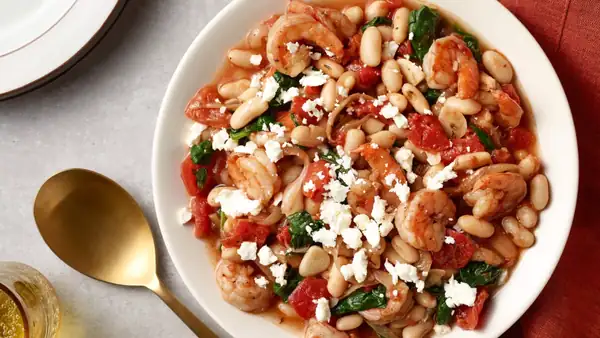
This strength can be perfectly showcased at the table. Rosé brings vibrancy to autumnal cuisine and opens up combinations for which white or red wine would otherwise be the obvious choice. The information box shows which style of rosé suits which dish.
It's also worth being a little more flexible with the serving temperature. A few degrees warmer and a generously sized wine glass give the wines air and time to develop. Aroma and texture become more pronounced, and the wine gains presence. Nuances that are easily lost when the wine is chilled too much are thus brought out even more effectively.
Few wines are as closely tied to a specific season in our minds as rosé. As temperatures rise, it almost automatically appears on the shopping list; in October, it often disappears from view. Yet, the same wine that was considered an essential part of summer just a few weeks earlier is still sitting in the cellar. Why should October change that? Provence and Valtènesi offer plenty of good reasons to give it a try.
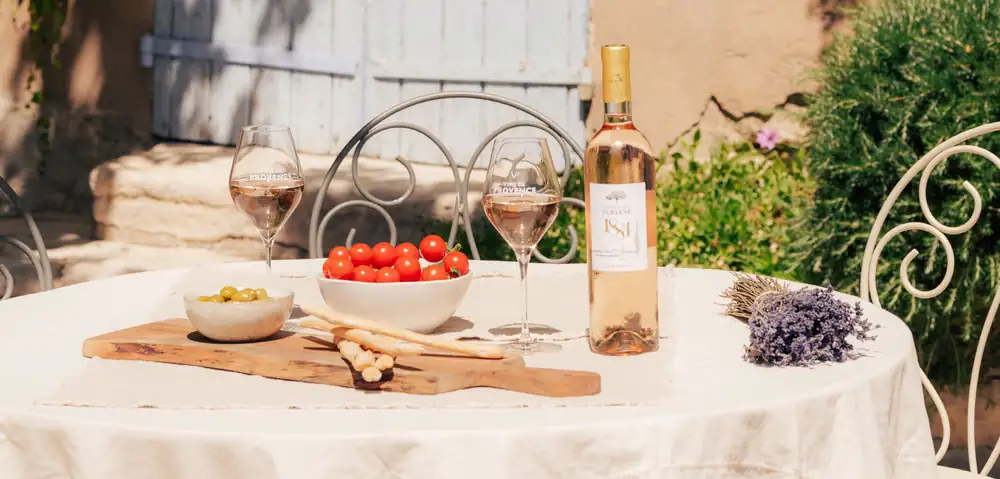
The art of living in Provence, the dolce vita on Lake Garda: rosé is an integral part of shared enjoyment in both regions. People meet, open a bottle, and take their time. The conversation continues, time passes, and the evening takes on its own rhythm. This joy in wine is part of a culture where enjoyment doesn't require a special occasion.
As the evenings lengthen, this way of enjoying life develops its own rhythm. A good meal, stimulating conversation, and a bottle of rosé from Provence or Valtènesi go perfectly together. The wine remains vibrant in the glass, making you want another sip.