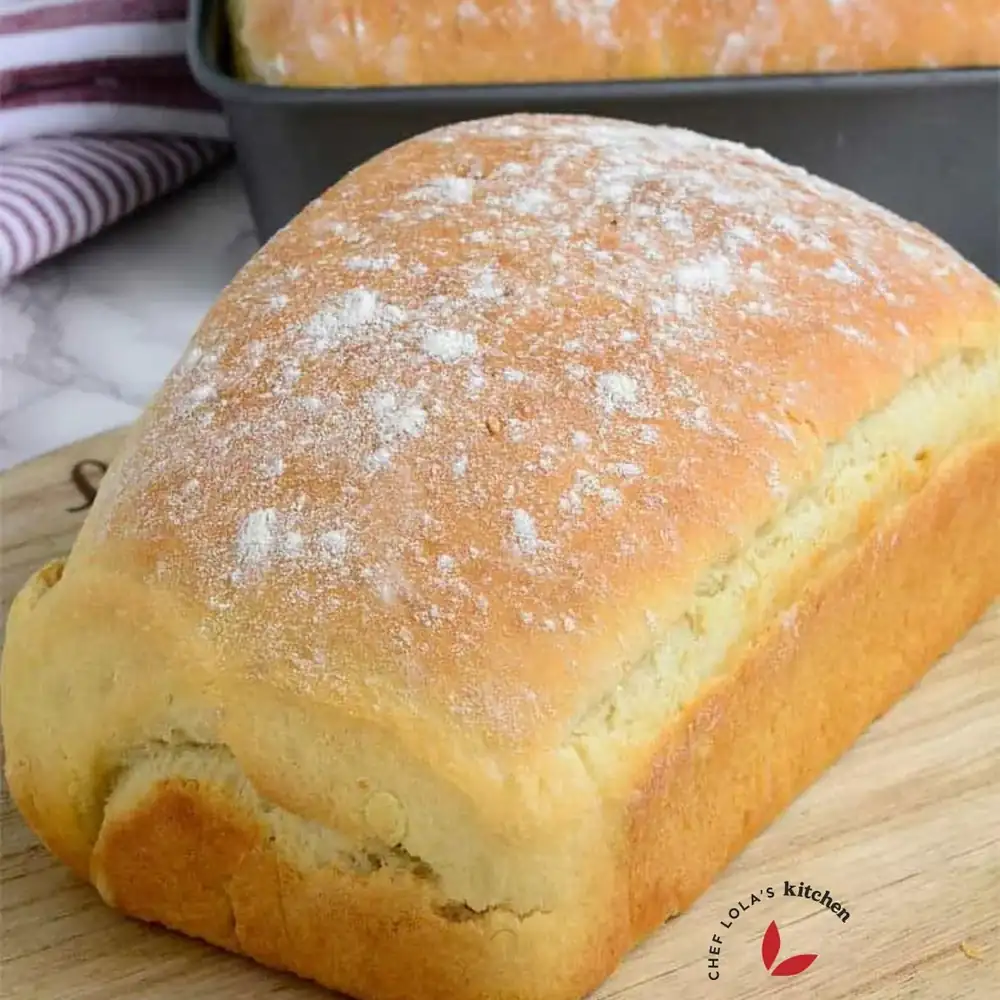
No-Knead Potato Bread (Sandwich Bread)
Potato Bread – I will show you how to make one of the easiest potato sandwich breads you’ll ever make. It's beginner-friendly, requires minimal effort, and comes together in about 2 hours. So soft, so fluffy, so good!
- ¾ cup mashed potatoes
- 3 tbsp butter (at room temperature)
- 1¾ cups milk, (warmed)
- 1 tbsp instant yeast
- 4¾ cups bread flour, (all-purpose flour will also work)
- 1 tsp salt
- 4 tbsp granulated sugar
- 2 eggs (large)
- 2 tsp olive oil
- Mash the butter and potatoes together until smooth. Then stir in the eggs and milk until well combined.
- Add the yeast inside the mixture and mix well to dissolve.
- Add the flour, salt, and sugar. Combine until you have a wet shaggy dough.
- Cover the bowl and leave it to rest for 10 minutes to allow the flour to absorb the liquid. Then open the bowl and mix again for a few seconds.
- Drizzle some olive oil over the dough and use your hand to rub it all over the surface to prevent the dough from forming a crust).
- Cover with plastic wrap or a tight-fitting lid, then leave to rest in a warm place for 45 minutes to 1 hour until almost tripled in size.
- Punch down the dough to remove all the trapped air. Transfer to a highly floured work surface. Divide into two equal parts and shape into loaves.
- Place the dough into two greased 9×5 loaf pans (handle with care as the dough is soft).
- Cover the pans with a damp kitchen towel and leave them to rise in a warm place for 20 to 30 minutes or until about doubled in size.
- Sprinkle some flour over the dough (optional) and bake in a 375F preheated oven for 25 to 30 minutes or until the top is golden brown and a skewer inserted into the middle of the bread comes out clean.
Potato Bread (Easy No-Knead Sandwich Bread)
Bread making can feel intimidating, especially if you are a beginner, but this recipe makes it easy to walk into your kitchen and churn out bakery-quality loaves.
This is one of the easiest potato sandwich breads you will ever make. It's beginner-friendly, requires minimal effort, and comes together in about two hours. It bakes up soft, fluffy, and golden every single time!
No complicated steps, and you don't need a stand mixer. Plus, it tastes significantly fresher and more flavorful than any potato bread you can buy at the grocery store.
These loaves are exactly what you want for thick sandwiches, buttery morning toast, and the ultimate grilled cheese.
A variation of my famous no-knead sandwich bread
Welcome to my journey to making the best no-knead bread with professional results!
I've been baking bread for over 10 years. However, I started exploring the no-knead bread recipes about 8 years ago. Since then, I have successfully created no-knead sandwich bread, no-knead bread rolls, no-knead French bread, no-knead garlic rolls, and now no-knead potato sandwich bread!
After so much success with the original no-knead sandwich bread, I knew I had to use it as a base to create a potato version. I made a few key adjustments, crossed my fingers for a perfect loaf, and the results completely blew me away.
Can I make one loaf?
This recipe yields two loaves, but you can divide the recipe in two if you want one loaf. Although I recommend making the two loaves because it disappears quickly.
Also, I always like to have a frozen loaf in my freezer for lazy days when I don't feel like making breakfast from scratch.
That said, this bread is very indulgent, and if care is not taken, you will end up demolishing a whole loaf when it comes out of the oven, like we sometimes do, because who can resist fresh warm bread with butter!
The Secret to Fluffy Potato Bread
What sets this bread apart is exactly what the name suggests: the potatoes! Adding mashed potatoes to the dough makes the bread f luffier, softer, and richer than a standard loaf.
I love to use russet potatoes for this because they have a high starch content. That extra starch plays a huge role in supporting the bread's structure, giving it a beautiful rise, and creating that signature tender crumb.
Although I used potatoes I made from scratch for this recipe, it's also great with leftover mashed potatoes.
- Mashed potatoes: The star of the recipe. I make mine fresh for this, but leftover mashed potatoes work beautifully too.
- Butter: Mashed directly into the hot potatoes to create a rich, creamy base.
- Milk: Warmed slightly to help activate the yeast and enrich the dough.
- Instant yeast: The rising agent. Active dry yeast will also work perfectly here.
- Bread flour: Gives the bread a strong, chewy structure. All-purpose flour is a great substitute if that is what you have on hand.
- Salt: Essential for flavor development.
- Granulated sugar: Adds a touch of sweetness and feeds the yeast.
- Eggs: Provide moisture, color, and richness to the dough.
- Olive oil: Used to lightly coat the dough during its resting phase to prevent a crust from forming.
How to make potato Bread
- Start by boiling your potatoes until tender, then mash them until completely smooth. Lumpy potatoes are a no-no!
- I love to mash the room-temperature butter into the potatoes while they are still steaming hot. This gives you a creamier texture. If you let the potatoes cool before mashing and don't add butter, you might end up with dry, unevenly blended mashed potatoes. Lumpy potatoes are a no-no!
- Next, add the eggs, milk, and yeast. Mix well and set aside. Allow the mashed potatoes to cool to a lukewarm temperature before adding the eggs, milk, and yeast. This prevents the eggs from cooking and the yeast from dying.
- Now add the dry ingredients (flour, salt, and sugar). The resulting dough should be tacky and quite sticky.
- Rise, shape, rise: Leave the dough to rise in a warm place until it’s doubled in bulk. Then, divide into two, shape, and place in the baking pan.
- The second rise: Leave to rise again a second time until it almost crowns over the pans.
- Bake the loaves until baked through and golden. Slice and enjoy!
Storage and Freezing Instructions
- How long does it last? This potato bread will stay fresh and soft for up to 3 days at room temperature when stored properly.
- How to store: Allow the bread to cool completely. Make sure there is absolutely no leftover warmth or moisture, then wrap it tightly in plastic wrap and keep it in a cool, dry place.
- How to freeze: For longer storage, wrap the cooled loaves securely and freeze for up to two months. It is safe to eat beyond that, but the texture and flavor are best when enjoyed within that two-month window.
Frequently Asked Questions
- Can I use leftover mashed potatoes? Yes. This is actually one of the best uses for leftover mashed potatoes. Just make sure they are smooth and lump-free before incorporating them into the dough. If your leftover mashed potatoes already have butter and seasoning, reduce the additional butter in the recipe slightly and taste before adding salt.
- Can I use all-purpose flour instead of bread flour? Yes. All-purpose flour produces a great loaf that is softer and slightly less structured than the bread flour version. Both are delicious; bread flour just gives you a slightly better rise and a chewier crumb.
- Can I make one loaf instead of two? Yes, simply halve all the ingredients. That said, I always encourage making the full batch because the second loaf freezes so well, and having homemade bread in the freezer ready to go is genuinely one of life's small luxuries.
- Why is my dough not rising? The most common culprit is yeast killed by liquid that was too hot. The milk and mashed potatoes both need to be warm but not hot — aim for lukewarm, around 100°F to 110°F, before the yeast goes in. A cold environment can also slow the rise significantly. Find the warmest spot in your kitchen and be patient.
- Can I knead this dough if I want to? You can, but you do not need to. The no-knead method works by giving the dough time to develop gluten through resting rather than physical manipulation. The result is a tender, open crumb that kneading can actually make denser if overdone.
- How do I know when the bread is fully baked? The top should be deep golden brown, and a skewer or toothpick inserted into the very center of the loaf should come out clean with no wet dough clinging to it. You can also tap the bottom of the loaf — a hollow sound means it is done.
- Can I add toppings to the bread? Yes! Sesame seeds, poppy seeds, or a light sprinkle of flaky sea salt pressed onto the top of the loaf just before baking all look and taste wonderful. A light egg wash brushed over the tops before baking will also give you a deeper, shinier golden crust.
- I used freshly made mashed potatoes in this recipe; however, you can use leftover mashed potatoes, and it will work out just fine.
- Any type of yeast you choose will work for this. Instant or actve.
- 3 tablespoon butter at room temperature
- 1 tablespoon instant yeast
- 1 teaspoon salt
- 4 tablespoon granulated sugar
- 2 teaspoon olive oil
- I used freshly made mashed potatoes in this recipe; however you can use leftover mashed potatoes, it will work out just fine.