Restaurant-style shrimp tartare, fresh and easy to make
Fresh, elegant, and surprisingly simple: shrimp tartare is the perfect appetizer for bringing a refined, restaurant-style dish to the table, without the need for time-consuming preparation.
Shrimp tartare is captivating primarily for the contrast between the delicate shellfish and the freshness of the seasoning. Preparation takes just a few minutes, but choosing the right ingredients is crucial because the shrimp are eaten raw. For a safe and tasty shrimp tartare, use only shellfish suitable for raw consumption, purchased pre-frozen or pre-treated. If in doubt, always ask your fishmonger for advice.
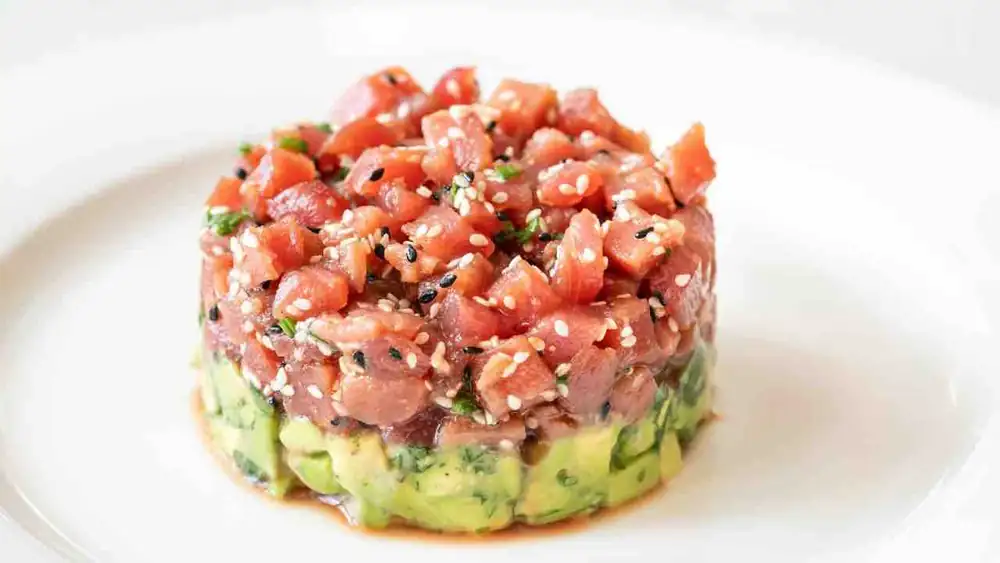
Once cleaned, the shrimp are sliced with a knife and seasoned without overpowering their flavor. Extra virgin olive oil, lemon juice and zest, and aromatic herbs are all you need to create a fragrant and pleasing appetizer. The presentation completes the result: with a simple pastry cutter, you can create a fresh and refined shrimp tartare just like the one served at a restaurant, ideal for a seafood dinner, a special occasion, or a quick summer appetizer.
Ingredients for a fresh and refined shrimp tartare
- 400g of fresh prawns suitable for raw consumption and properly frozen
- 1 untreated lemon
- Salt to taste
- Black pepper to taste
Step-by-step procedure for shrimp tartare
- Check the shrimp. Before starting, make sure they've been properly cured for raw consumption. This step is essential and shouldn't be replaced by simply marinating them in lemon juice.
- Clean the crustaceans. Carefully remove the heads and shells of the shrimp, then make a small incision along the back and remove the intestinal tract. Proceed carefully to keep the flesh as intact as possible.
- Pat the shrimp dry. Gently pat the cleaned shrimp dry with paper towels. Removing excess moisture will give a tartare with a more pleasant texture and better distributed seasoning.
- Chop the shrimp with a knife. Place the flesh on a perfectly clean cutting board and use a sharp knife to cut it first into strips and then into small pieces. There's no need to chop excessively: a slightly coarse texture makes the tartare more palatable.
- Prepare the dressing. Pour extra virgin olive oil into a small bowl and add a little lemon juice. Add a small amount of grated zest, using only the yellow part, then garnish with finely chopped chives and parsley.
- Season the tartare. Place the chopped shrimp in a bowl and gradually add the seasoning. Add a pinch of salt and freshly ground black pepper, then stir gently to distribute the flavors without crushing the shrimp.
- Don't overdo it with the lemon juice. The juice should add freshness without overpowering the delicate flavor of the shrimp. Furthermore, leaving the shellfish in the lemon juice for too long will cause their texture and color to change. For a true tartare, it's best to season it just before serving.
- Create the restaurant-style shape. Place a pastry cutter in the center of the plate, fill it with the tartare, and gently press it down with the back of a spoon. Lift the ring slowly to maintain a neat shape.
- Finish the dish. Top with a few chives, a little lemon zest, and a light drizzle of extra virgin olive oil. Finish with a freshly ground pepper, if desired.
- Serve immediately. The tartare should be kept very cold and eaten immediately after preparation. Avoid leaving it at room temperature for too long, and do not save any seasoned leftovers for later.
With just a few steps, you'll have a restaurant-quality shrimp tartare: fresh, colorful, and incredibly easy to prepare. The secret isn't to overdo it, but to respect the delicate nature of the shellfish: a not-too-fine knife cut, a little lemon juice, good extra-virgin olive oil, and a few aromatic herbs are all you need. Served very cold and presented with a pastry cutter, it becomes an elegant appetizer that requires very little work but brings all the flavor and refined appearance of a restaurant-quality dish to the table.